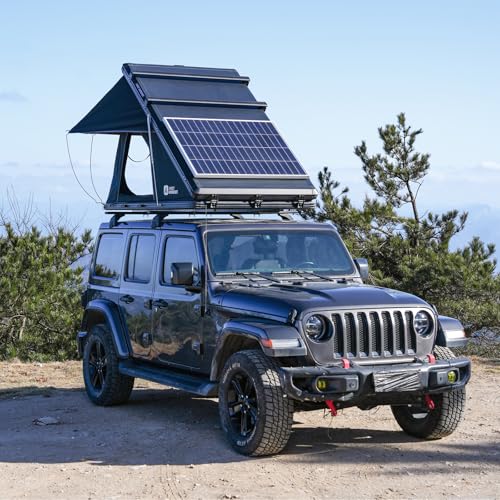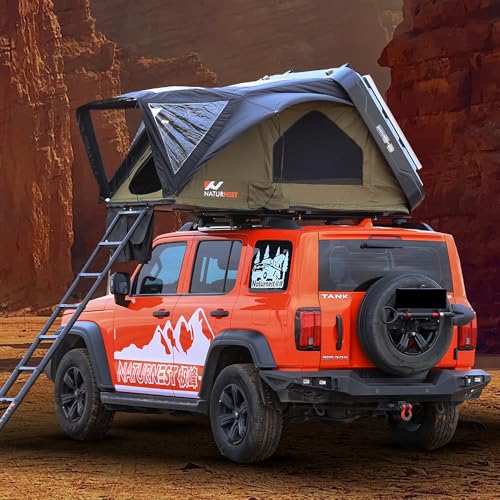
Rooftop Tents for Cars: The Ultimate Guide
Sleep above it all — discover everything you need to know about choosing, installing, and using rooftop tents for your vehicle.
READ THE GUIDEFor campers who want to elevate their outdoor experience—literally—tents for the top of cars offer a game-changing way to camp. Also known as rooftop tents, these shelters mount directly onto your vehicle's roof rack, providing a comfortable sleeping space that keeps you off the ground, away from uneven terrain, and safe from wildlife.
Whether you're a weekend warrior, an overlanding enthusiast, or a family looking to simplify car camping setups, a rooftop tent can transform how you travel. This guide covers everything from types and installation to top recommendations.
Types of Tents for the Top of Cars
Rooftop tents come in several styles, each designed for different camping needs and budgets. Understanding the differences will help you choose the right one for your adventures.
🏕️ Hard-Shell Rooftop Tents
Clamshell-style tents with a rigid outer shell. Open in seconds with gas struts. Offer the fastest setup, best aerodynamics, and excellent weather protection. Ideal for frequent travelers.
🎪 Soft-Shell Rooftop Tents
Fold-out canvas tents with a base that flips open. More affordable and spacious than hard-shells. Require a few minutes to set up and pack down. Perfect for budget-conscious campers.
🚙 Pop-Up Roof Tents
Lightweight tents that pop up from a compact base. Easy to install and remove. Great for smaller vehicles or occasional use.
🧩 Wedge-Style Rooftop Tents
A hybrid design that folds into a low-profile wedge. Combines hard-shell durability with a soft-shell feel. Excellent for off-road enthusiasts.
If you're new to rooftop camping, a soft-shell pop-up tent on top of car is an affordable entry point. For frequent users, the speed and durability of hard-shell models are well worth the investment.
What to Consider Before Buying
- Vehicle Compatibility: Check your roof rack's dynamic weight rating (while driving). Most tents weigh 100–180 lbs. Your vehicle must support both the tent's static weight (parked) and dynamic weight (driving).
- Size and Sleeping Capacity: Rooftop tents range from 2-person to 4-person. Consider the interior dimensions and whether the tent fits your sleeping height comfortably.
- Material and Weather Resistance: Look for 600D or higher polyester canvas, waterproof coatings (at least 2000mm), and insulated floors for colder nights.
- Setup Time: Hard-shell tents set up in under 60 seconds; soft-shells take 3–5 minutes. Consider how quickly you want to set up after a long drive.
- Budget: Prices range from around $800 for basic models to over $4,000 for premium hard-shell tents with integrated awnings and lighting.
For detailed guidance on vehicle compatibility, check out pop-up tent for back of car setups and tent for the top of a car options.
Rooftop Tents: Pros and Cons
✅ Pros
- Elevated sleeping surface — away from rocks, mud, and insects
- Built-in mattress for superior comfort
- Quick setup and takedown (especially hard-shell models)
- Can be used with truck campers for short bed trucks and SUVs
- Allows you to camp anywhere your vehicle can park
- Better airflow and views than ground tents
❌ Cons
- Higher cost than traditional ground tents
- Reduced fuel economy due to added weight and drag
- Limited to locations with vehicle access
- Requires a sturdy roof rack and crossbars
- Heavier than most ground tents (100–180 lbs)
- Climbing up and down can be challenging for some
How to Install Tents on Your Car Roof
Installing a rooftop tent is simpler than it might seem. Most tents come with mounting brackets that attach to your vehicle's crossbars.
- Check Your Roof Rack: Ensure your crossbars are rated for the tent's weight. Dynamic weight rating is critical — do not exceed it while driving.
- Position the Tent: With help, lift the tent onto the roof rack. Position it so the opening is on the side you prefer (usually the passenger side for safety).
- Attach Mounting Brackets: Secure the tent to the crossbars using the included U-bolts and brackets. Tighten evenly on both sides.
- Test Stability: Gently shake the tent to ensure it's securely fastened. Check all bolts after the first trip.
- Practice Setup: Unfold and set up the tent in your driveway before your first camping trip to learn the process.
For SUV owners, there are specific tent for the back of a SUV options that may offer more versatility. If you prefer a dedicated camper, explore pop-up camper trailers for sale as an alternative.
Top Rooftop Tent Models
Based on expert reviews and customer feedback, here are some of the best rooftop tents currently available:
| Model | Type | Sleeps | Weight | Price Range |
|---|---|---|---|---|
| Roofnest Falcon XL | Hard-Shell | 2–3 | 120 lbs | $3,495 |
| Tuff Stuff Alpha | Hard-Shell | 2–3 | 155 lbs | $3,299 |
| Thule Tepui Kukenam 3 | Soft-Shell | 3 | 130 lbs | $1,695 |
| iKamper Skycamp 3.0 | Hard-Shell | 4 | 145 lbs | $3,750 |
| Front Runner Rooftop Tent | Soft-Shell | 2 | 112 lbs | $895 |
If you're looking for more options, check out hard-shell roof top tent for truck and roof top tent for full size truck models for larger vehicles.
Maintenance and Care Tips
- Clean Regularly: Wipe down your tent after each trip to remove dirt and debris. Use mild soap and water — avoid harsh chemicals.
- Dry Completely: Always pack your tent dry to prevent mold and mildew. If it's wet, set it up at home to air out.
- Check Hardware: Inspect mounting bolts and brackets before each trip. Tighten if needed.
- Lubricate Zippers: Use zipper lubricant or wax to keep zippers smooth and prevent sticking.
- Store in a Cool, Dry Place: Remove the tent from your vehicle during off-season to protect it from UV damage and weather.
Essential Accessories for Rooftop Camping
Make your rooftop camping experience even better with these add-ons:
- Car side awning rooftop pull out tent shelter for extra shade and living space
- 12-volt LED strip lights for RV exterior for night illumination
- Pop-up tent for back of pickup truck as a versatile alternative
- Portable toilet and shower systems for longer trips
- Insulated sleeping bags designed for year-round use
Final Tips for Rooftop Tent Camping
- Practice parking: Learn to park on level ground. Use leveling blocks or ramps to balance your vehicle.
- Use a ladder: Always enter and exit the tent carefully. Keep the ladder clean and stable.
- Pack light: Rooftop tents have weight limits. Distribute cargo inside your vehicle, not on the roof.
- Consider winter camping: With the right insulation and a cold-weather sleeping bag, rooftop tents are usable all year.
- Respect Leave No Trace: Even though you're elevated, practice responsible camping by minimizing your environmental impact.
A rooftop tent is more than just a place to sleep — it's an investment in a better camping experience. Whether you're planning a cross-country road trip or a weekend getaway, a tent on top of your car opens up a world of possibilities.
Ready to choose your rooftop tent? Browse the recommended camping gear below and start your next adventure from a higher perspective.