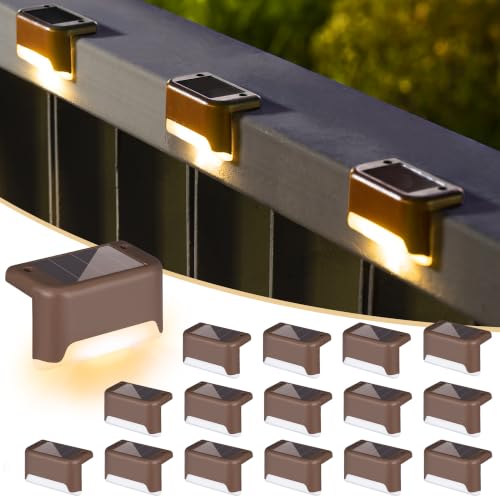
Solar Powered Wall Lights: The Ultimate Guide to Outdoor Illumination
Transform your outdoor spaces with energy-efficient, eco-friendly solar wall lights. Learn how to choose, install, and maintain the perfect lighting for your home or campsite.
Solar powered wall lights have revolutionized outdoor lighting, offering a sustainable and cost-effective way to illuminate patios, gardens, pathways, and campsites. Unlike traditional wired fixtures, these lights harness the power of the sun, eliminating the need for complex electrical work and reducing your carbon footprint. Whether you're looking to enhance your home's curb appeal or need reliable lighting for your next camping adventure, solar wall lights provide a versatile and practical solution. This comprehensive guide will walk you through everything you need to know, from understanding how they work to selecting the best models for your specific needs.
How Do Solar Powered Wall Lights Work?
Understanding the mechanics behind solar wall lights helps you make an informed decision. These fixtures consist of four main components: a solar panel, a rechargeable battery, an LED light source, and a photosensor. During the day, the solar panel captures sunlight and converts it into electrical energy, which is stored in the battery. When dusk falls, the photosensor detects the drop in ambient light and automatically activates the LED, providing illumination throughout the night. The entire process is automatic, requiring no manual intervention. The efficiency of this system depends on several factors, including the quality of the solar panel, battery capacity, and the amount of direct sunlight the panel receives. For camping enthusiasts, this technology is particularly valuable, as it aligns perfectly with the principles of Leave No Trace and self-sufficiency. If you're planning a camping trip and want to combine solar lighting with other gear, consider reading our guide on solar powered camping lamps for additional off-grid lighting options.
Key Benefits of Solar Powered Wall Lights
Energy Efficiency and Cost Savings
Once installed, solar wall lights operate entirely on free solar energy, eliminating ongoing electricity costs. While the initial investment for premium models may be higher than entry-level wired fixtures, the long-term savings are substantial. You'll never need to worry about rising energy bills or the expense of running electrical lines to remote outdoor locations.
Eco-Friendly and Sustainable
By choosing solar lighting, you're actively reducing your reliance on fossil fuels and decreasing your carbon footprint. Solar energy is renewable and clean, making these lights an excellent choice for environmentally conscious homeowners and campers. This aligns with the growing trend of sustainable outdoor living, much like using solar chargers for camping to power your devices.
Easy Installation and Versatility
Most solar wall lights are designed for hassle-free installation, often requiring only basic tools and no professional electrician. They can be mounted on walls, fences, posts, or even trees, providing flexibility in placement. This makes them ideal for renters, DIY enthusiasts, and anyone looking to upgrade their outdoor lighting without major renovations. For those who appreciate versatile outdoor lighting, exploring options like outdoor pendant light fixtures can complement your solar wall lights beautifully.
Durability and Weather Resistance
Quality solar wall lights are built to withstand the elements, with weather-resistant materials like stainless steel, aluminum, and durable plastics. They are designed to operate in various conditions, from hot summers to cold winters, making them a reliable year-round lighting solution. If you're camping in colder months, you might also find our guide on winter camping gear useful for ensuring all your equipment is up to the task.
Types of Solar Powered Wall Lights
The market offers a wide variety of solar wall lights, each designed for specific applications and aesthetic preferences. Understanding the different types helps you narrow down your choices.
Solar Sconces
Solar sconces are the most traditional style, mimicking the look of classic wall-mounted light fixtures. They are available in various designs, from modern minimalist to rustic lantern styles. Sconces are perfect for flanking a front door, illuminating a patio, or adding accent lighting to a garden wall. They typically cast light downward or in a specific direction, making them ideal for task lighting or creating ambiance.
Solar Security Lights
These are designed for functionality and safety, often featuring motion sensors and higher brightness levels. Solar security lights are an excellent choice for driveways, walkways, and dark corners where you need reliable illumination upon approach. They often come with adjustable settings for sensitivity and duration, providing peace of mind without the need for wiring.
Decorative Solar Wall Lights
For those who prioritize aesthetics, decorative solar wall lights offer a range of artistic designs, including string lights, lanterns, and even faux candle fixtures. These are perfect for creating a warm, inviting atmosphere on a patio or deck. They might not be as bright as security lights, but they excel at setting a mood. If you enjoy decorative lighting, you might also like hanging lantern solar lights to complement your wall fixtures.
Solar Wall Lights for Camping
Campers and RV enthusiasts often use portable or semi-permanent solar wall lights to illuminate their campsite, tent, or RV exterior. These models are typically lightweight, compact, and designed for easy transport. They can be attached to tent walls, RV siding, or even trees using hooks or straps. For a complete camping lighting setup, consider pairing them with a good camping lantern for area lighting.
How to Choose the Best Solar Powered Wall Lights
With so many options available, selecting the right solar wall lights can feel overwhelming. Here are the key factors to consider to ensure you make a purchase that meets your needs and lasts for years.
Brightness and Lumens
Brightness is measured in lumens. For accent lighting or ambiance, a lower lumen output (around 50-100 lumens) is sufficient. For security or task lighting, you'll want a higher output (200 lumens or more). Consider the purpose of the light and the area you need to illuminate. Entry-level models often provide adequate brightness for pathways, while premium security lights offer much higher lumen counts.
Battery Capacity and Runtime
The battery determines how long your light will stay on during the night. Look for lights with a high-capacity rechargeable battery (measured in mAh) for longer runtime. Premium models often feature larger batteries and more efficient LEDs, providing illumination from dusk until dawn, even on cloudy days. Mid-range options typically offer 6-8 hours of runtime, which is sufficient for most residential needs.
Solar Panel Efficiency
The efficiency of the solar panel directly impacts charging speed and performance. Monocrystalline panels are generally more efficient than polycrystalline ones, especially in low-light conditions. A high-quality panel will ensure your light is fully charged even on overcast days. For camping, where sunlight might be limited by tree cover, panel efficiency is crucial. You might also be interested in our article on battery solar panel kits for larger off-grid power needs.
Material and Build Quality
Since these lights are exposed to the elements, durability is paramount. Look for materials like die-cast aluminum, stainless steel, and UV-resistant plastics. A high-end fixture will withstand years of rain, snow, and sun without fading or cracking. Entry-level options may use less durable materials, so consider your local climate and the level of exposure. If you're placing lights in a harsh environment, investing in a premium, weatherproof model is wise. For those camping in snowy conditions, our guide on winter camping safety offers additional tips for protecting your gear.
Installation and Mounting
Consider how and where you plan to mount the lights. Most come with screws and anchors for wall mounting, but some offer adhesive options or stake mounts. Ensure the light's design allows for easy access to the solar panel for cleaning and optimal sun exposure. If you're looking for a temporary or portable solution, such as for camping, look for models with clips or magnetic bases. For permanent home installations, a clean, wired look might be preferred, but solar eliminates the need for wiring altogether.
Features and Modes
Many modern solar wall lights come with additional features such as motion sensors, dimming modes, and multiple lighting settings (e.g., high, low, and off). Some even include remote controls. These features can enhance convenience and energy efficiency. Decide which features are essential for your use case. For a campsite, a motion sensor might be less useful than a steady, low-level light. For home security, motion detection is a key benefit.
Installation and Maintenance Tips
Proper installation and minimal maintenance will ensure your solar wall lights perform optimally for years.
Optimal Placement
The most critical factor for solar light performance is sun exposure. Place the solar panel where it receives direct sunlight for at least 6-8 hours per day. Avoid shaded areas or locations where the panel might be blocked by trees, buildings, or other obstructions. South-facing walls are ideal in the Northern Hemisphere. If you're mounting on a wall, ensure the panel is angled correctly to capture maximum sunlight.
Installation Steps
Most solar wall lights are easy to install. Typically, you'll need to drill holes, insert anchors, and screw the mounting bracket to the wall. Then, attach the light fixture to the bracket. Always follow the manufacturer's instructions for your specific model. For renters or those who prefer not to drill, adhesive mounting options are available, though they may not hold up as well in extreme weather. If you're setting up a temporary camp, you might use straps or hooks to attach lights to a tent or tarp.
Cleaning and Care
To maintain efficiency, clean the solar panel periodically with a soft, damp cloth to remove dust, dirt, and bird droppings. Dirty panels can significantly reduce charging efficiency. Also, check the battery compartment for any signs of corrosion or water damage. In winter, clear snow and ice from the panel to allow charging. If you're camping in cold weather, our guide on winter camping heaters can help you stay warm, while you keep your lights functioning.
Battery Replacement
Over time, the rechargeable batteries in solar lights will degrade and need replacement. This is a normal part of their lifecycle. Most batteries last 1-2 years, depending on usage and quality. When you notice your lights aren't lasting through the night, it's likely time for a new battery. Replacing them is usually straightforward and extends the life of your fixture.
Common Applications for Solar Wall Lights
Solar wall lights are incredibly versatile and can be used in numerous settings. Here are some of the most popular applications:
- Home Exterior: Illuminate entryways, porches, garages, and patios. They add safety and curb appeal while reducing energy costs.
- Garden and Landscape: Accent garden features, light up pathways, and highlight architectural elements without trenching wires.
- Camping and RVing: Provide light around your campsite, on your RV exterior, or inside a large tent. They are portable and don't require a power source.
- Security: Use motion-sensor models to deter intruders and light up dark areas around your property.
- Sheds and Outbuildings: Light up sheds, barns, or other outbuildings where running electricity is impractical or expensive.
- Remote Locations: Ideal for cabins, treehouses, or any off-grid structure. For those interested in off-grid living, our article on cabin camping might provide further inspiration.
Common Mistakes to Avoid When Buying Solar Wall Lights
Avoid these common pitfalls to ensure you get the most out of your investment.
- Ignoring Sunlight Availability: The number one mistake is placing lights in shaded areas. Without adequate sunlight, the battery won't charge, and the light won't work.
- Overestimating Brightness: Lumens can be misleading. Read reviews and understand that a 100-lumen light is quite dim. If you need bright light, look for higher lumen outputs.
- Choosing Style Over Substance: While aesthetics matter, prioritize build quality and performance, especially if the lights will be exposed to harsh weather.
- Not Checking Battery Type: Some lights use proprietary batteries that are hard to replace. Look for models that use standard rechargeable batteries like AA or AAA.
- Forgetting About Winter: In cold climates, battery performance can drop. Look for lights designed for cold weather or be prepared to bring them inside during extreme cold. Our winter camping checklist can help you prepare for cold-weather adventures.
Conclusion
Solar powered wall lights are a smart, sustainable, and convenient lighting solution for any outdoor space. By understanding how they work, knowing what features to look for, and avoiding common mistakes, you can select the perfect lights to enhance your home, garden, or campsite. Whether you're a homeowner looking to reduce energy costs or a camper seeking reliable off-grid lighting, solar wall lights offer a versatile and eco-friendly option. With proper installation and minimal maintenance, they will provide years of dependable illumination. As you continue to explore the world of outdoor lighting and camping gear, remember that preparation and quality are key to a great experience.