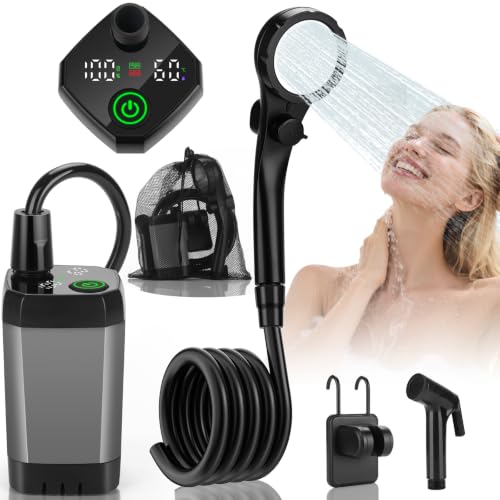
Solar Powered Shower for Camping: Complete Buyer's Guide
Everything you need to know about portable solar showers — how they work, what features matter, and how to choose the right one for your outdoor adventures.
START EXPLORINGWhy a Solar Shower Matters: A warm shower after a long day of hiking, swimming, or exploring transforms your camping experience. Solar powered showers offer an off-grid, fuel-free way to stay clean and comfortable — no propane, no batteries, no electricity required.
What Is a Solar Powered Shower for Camping?
A solar powered shower for camping is a portable, off-grid bathing system that uses the sun's energy to heat water. The most common design is a dark-colored, heavy-duty bag with a built-in hose and showerhead. You fill the bag with water, lay it in direct sunlight, and wait a few hours. The dark material absorbs solar radiation, warming the water inside. When you're ready, you hang the bag from a tree branch, vehicle rack, or dedicated shower tent, and gravity does the rest.
Unlike traditional camping showers that require propane or a power source, solar showers are completely self-contained and fuel-free. They're lightweight, compact, and ideal for backcountry camping gear setups where every ounce counts. Whether you're heading to a remote beach camping spot or a lake camping destination, a solar shower keeps you fresh without adding complexity to your camp.
How Solar Camping Showers Work
The science behind a solar shower is straightforward. Solar radiation — sunlight — passes through the atmosphere and strikes the surface of the shower bag. Dark colors absorb more of this radiation than light colors, converting it into heat. That heat transfers to the water inside the bag through conduction.
Most solar shower bags are made from durable, food-grade PVC or TPU materials. They typically hold between 2 and 5 gallons of water, which is enough for one or two quick showers. The bag includes a fill opening at the top, a hose at the bottom, and a showerhead with an on/off valve. Some models include a temperature gauge, while others have a simple screw-top lid.
The efficiency of heating depends on several factors:
- Sun intensity: Clear skies and direct sunlight heat water faster than hazy or overcast conditions.
- Air temperature: Warmer ambient air reduces heat loss from the bag.
- Exposure time: Two to four hours of direct sun is usually enough for comfortable warm water on a sunny day.
- Bag color and material: Darker, thicker bags absorb and retain heat more effectively.
- Water volume: Less water heats faster than a full bag.
For campers who want more control, hybrid systems combine a solar heating element with a small battery-powered pump. These camping technology advancements provide consistent water pressure and can operate even when the sun isn't shining. If you're already carrying camping power banks or solar chargers for camping, a pumped solar shower can integrate seamlessly into your power setup.
Types of Solar Showers for Camping
Not all solar showers are the same. Understanding the different types helps you choose the right one for your camping style and needs.
1. Gravity-Fed Solar Shower Bags
This is the classic design. A dark bag holds water, heats in the sun, and hangs from a height. Gravity pushes water through the hose and out the showerhead. These are the lightest and most affordable options, ideal for backpackers and minimalist campers. They require a hanging point and enough overhead clearance to shower comfortably.
2. Pressurized Solar Showers
These models use a hand pump or foot pump to pressurize the water, providing a stronger, more consistent spray. They're heavier than gravity bags but offer a more conventional shower experience. Pressurized systems are popular among car campers and RV camping enthusiasts who want comfort without sacrificing portability.
3. Battery-Powered Solar Showers
These combine a solar heating bag with a small rechargeable pump. You charge the pump via USB (often using a portable power station or solar charger), then submerge the pump in the heated water. The pump delivers water through a showerhead at a steady flow rate. This design eliminates the need for hanging the bag overhead, making it easier to use in open campsites.
4. Solar Shower Tents and Privacy Shelters
Many campers pair their solar shower with a dedicated privacy tent. These pop-up shelters provide a private space for changing and showering. Some models, like the pop-up privacy tent instant portable outdoor shower tent, are designed specifically for this purpose. If you're camping in a developed campground or a busy area, a privacy tent is essential for comfort and Leave No Trace practices.
Key Features to Compare
When evaluating solar showers, focus on the features that directly affect your experience. Here's what matters most:
| Feature | Why It Matters | What to Look For |
|---|---|---|
| Capacity | Determines how many showers you get per fill | 2–3 gallons for solo; 4–5 gallons for family or group use |
| Material | Affects durability, heat retention, and safety | Food-grade PVC or TPU; thicker material retains heat longer |
| Heating Efficiency | How quickly and effectively water warms | Dark color, wide surface area, insulation options |
| Hose Length | Flexibility in positioning the showerhead | Longer hoses (5–7 feet) offer more reach and convenience |
| Showerhead Type | Controls water flow and spray pattern | Adjustable flow, on/off valve, clog-resistant design |
| Portability | Ease of transport and storage | Compact fold, lightweight, carry handle or stuff sack |
| Temperature Indicator | Helps prevent scalding or cold showers | Built-in thermometer or temperature-sensitive patch |
| Hanging Options | Compatibility with your campsite | Reinforced grommets, sturdy handle, carabiner loops |
Quality Tiers: Entry-Level to Premium
Solar showers span a range of quality tiers. Understanding these tiers helps you match your purchase to your camping frequency and expectations.
Basic Gravity Bags
Simple, lightweight bags with a basic hose and showerhead. Best for occasional campers, backpackers, and emergency preparedness. These models prioritize portability over heat retention and durability.
Enhanced Gravity and Pressurized Models
Better materials, improved insulation, larger capacities, and features like temperature gauges or reinforced hanging points. Suitable for regular campers who want reliable performance across multiple seasons.
Battery-Powered and Hybrid Systems
These include rechargeable pumps, consistent water pressure, and sometimes integrated heating elements. Ideal for car campers, RVers, and glampers who want a near-residential shower experience off-grid.
Complete Off-Grid Shower Stations
All-in-one systems that combine heating, pumping, and sometimes water filtration. These are designed for extended off-grid living, overlanding, and glamping setups where comfort is a priority.
Pros and Cons of Solar Camping Showers
✅ Advantages
- No fuel, batteries, or electricity required for basic models
- Lightweight and highly portable
- Environmentally friendly and renewable
- Simple to use and maintain
- Affordable entry point for off-grid showering
- Compact storage when not in use
⚠️ Limitations
- Dependent on sunny weather for heating
- Gravity-fed models require a high hanging point
- Water cools quickly after sunset
- Limited water pressure in basic models
- Not ideal for freezing temperatures
- Bag material can wear over time with heavy use
How to Choose the Right Solar Shower
Choosing the right solar shower depends on how, where, and how often you camp. Here's a practical framework:
For Backpackers and Minimalists
Prioritize weight and packability. A 2–3 gallon gravity bag with a simple hose is usually sufficient. Look for models under 1 pound that fold into a small stuff sack. Pair it with lightweight sleeping mats and ultra-lightweight camping chairs to keep your pack weight low. If you're hiking to remote camping spots, every ounce matters.
For Car Campers and Families
Capacity and convenience are key. A 4–5 gallon bag or a pressurized system provides enough water for multiple showers. Consider a battery-powered pump for consistent pressure. Pair your shower with a portable shower tent for privacy. Families camping with kids may also benefit from a portable toilet and tent setup for a complete hygiene station.
For RV and Van Life
Space and water efficiency matter. A compact solar shower bag complements your RV's existing water system, especially when boondocking. If you're camping in RV parks in the Keys or a big rig friendly RV resort, you may have access to facilities, but a solar shower is still useful for beach rinses and outdoor cleanup. Combine it with camping water filters technology to maximize your water sources.
For Winter and Cold-Weather Camping
Solar showers are less effective in cold conditions. If you're camping in winter camping conditions, consider alternative heating methods. However, on sunny winter days, a solar shower can still provide lukewarm water. Always check that your shower bag material can handle temperature fluctuations. For cold-weather hygiene, a winter emergency kit and proper layering clothing system are more critical than showering comfort.
Tips for Using a Solar Shower Effectively
🔆 Maximize Heating
- Fill the bag with water and lay it flat on a dark surface (like a black tarp or car hood) for faster heating.
- Rotate the bag occasionally to expose all sides to the sun.
- Fill only what you need — less water heats faster.
- On partly cloudy days, place the bag in a sunny spot and check the temperature after 2–3 hours.
💧 Conserve Water
- Use a showerhead with an on/off valve to control flow.
- Wet down, turn off the water, lather, then rinse.
- Reuse greywater for rinsing gear or extinguishing campfires (check local regulations).
- Pair with a portable fridge or cooler to store clean water separately from your shower supply.
🌿 Practice Leave No Trace
- Use biodegradable soap and keep greywater at least 200 feet from water sources.
- Shower on durable surfaces like rock or gravel, not fragile vegetation.
- Follow Leave No Trace principles to minimize your impact.
- Check national park rules and BLM camping rules for specific regulations.
Maintenance and Care
A solar shower is a simple piece of gear, but proper care extends its life and keeps your showers hygienic:
- Rinse after each use: Empty the bag and rinse it with clean water to prevent mold and bacteria growth.
- Dry thoroughly: Hang the bag upside down with the cap open to let it dry completely before storing.
- Store in a cool, dry place: Avoid leaving the bag in direct sunlight for extended periods when not in use, as UV exposure can degrade the material.
- Inspect for leaks: Check seams, hose connections, and the showerhead for cracks or wear before each trip.
- Clean the showerhead: Mineral deposits can clog the showerhead over time. Soak it in vinegar or a mild descaling solution periodically.
If you're camping in dusty environments, a water filter can help keep your shower water clean and prevent sediment from clogging the showerhead. For extended trips, consider bringing a camping first aid kit to treat any minor cuts or infections that can occur when hygiene is compromised.
Solar Showers and Emergency Preparedness
A solar shower isn't just for recreational camping. It's a valuable tool for emergency preparedness. During power outages, natural disasters, or extended off-grid situations, a solar shower provides a reliable way to maintain hygiene and morale. Combine it with a winter emergency kit, emergency communication devices, and a first aid kit for a comprehensive preparedness plan.
For those who camp in remote areas, a solar shower also complements emergency SOS signals and what to do if lost protocols by helping you stay clean, healthy, and mentally sharp.
Common Mistakes to Avoid
- Filling the bag too full: Overfilling makes it heavy, harder to hang, and slower to heat.
- Leaving it in the sun too long: Water can get scalding hot. Always test the temperature before showering.
- Hanging from weak branches: A full 5-gallon bag weighs over 40 pounds. Use a sturdy branch or a dedicated shower tent frame.
- Using non-food-grade materials: Never use a bag not designed for drinking water. Chemicals can leach into the water.
- Ignoring local regulations: Some campgrounds prohibit greywater discharge. Check state park rules and quiet hours before showering.
- Forgetting a privacy solution: A privacy tent is essential in shared campgrounds.
Frequently Asked Questions
A solar powered shower uses a dark-colored reservoir to absorb sunlight and heat the water inside. You fill the bag with water, place it in direct sunlight for several hours, then hang it up and let gravity feed water through a hose and showerhead. Battery-powered models use a small pump to deliver water at consistent pressure.
Water temperature depends on sun intensity, air temperature, and exposure time. On a warm, sunny day with several hours of direct sunlight, most solar shower bags reach comfortable warm temperatures suitable for showering. On cloudy days, heating will be slower and less effective. Always test the water temperature before use to avoid scalding.
Water typically stays warm for a few hours after sunset, especially if the bag is well insulated or kept in a sheltered spot. For best results, shower in the late afternoon or early evening before the water cools down. Some campers wrap the bag in a towel or sleeping bag to extend warmth.
Solar showers are less effective in cold or overcast conditions. For cold-weather camping, consider alternative heating methods or a portable water heater. Always check that your shower bag material can handle temperature variations without cracking. If you're camping in freezing temperatures, prioritize winter camping safety and frostbite prevention over shower comfort.
If you're camping in a developed campground or an area with other people, a privacy tent is highly recommended. It provides a dedicated space for changing and showering, and it keeps your campsite organized. Look for a pop-up privacy tent that sets up quickly and packs down small.
Final Thoughts
A solar powered shower for camping is one of those simple pieces of gear that dramatically improves your outdoor experience. It's not about luxury — it's about comfort, hygiene, and staying fresh so you can enjoy your adventure to the fullest. Whether you're a backpacker counting ounces, a family car camper, or an RVer looking to boondock longer, there's a solar shower that fits your style.
Pair your solar shower with other essential items for camping like a camping trip supply list and a camping trip equipment list to ensure you're fully prepared. And if you're new to camping, start with our first time camping tips and camping FAQ to build your confidence before heading out.
Ready to Upgrade Your Camping Comfort?
Browse our recommended solar showers and camping gear below to find the perfect setup for your next adventure.
VIEW RECOMMENDED GEAR