Rooftop Tent Guide: Sleep Above It All
Discover the freedom of rooftop camping. Hard-shell vs soft-shell, weight limits, setup tips, and the best models for overlanding, truck camping, and weekend adventures.
SEE TOP PICKSWhy a Rooftop Tent? Elevate your camping experience – literally. Rooftop tents offer quick setup, comfort, and safety from ground-level critters. Whether you're a weekend warrior or a full-time overlander, this guide helps you choose the perfect roof top tent for your vehicle and travel style.
What Is a Rooftop Tent?
A rooftop tent (or roof top tent) is a portable sleeping shelter that mounts to the roof rack or bed of your vehicle. Unlike traditional ground tents, rooftop tents set up quickly, often in under 5 minutes, and provide a comfortable, elevated sleeping platform. They are popular among overlanders, road trippers, and campers who value convenience and mobility.
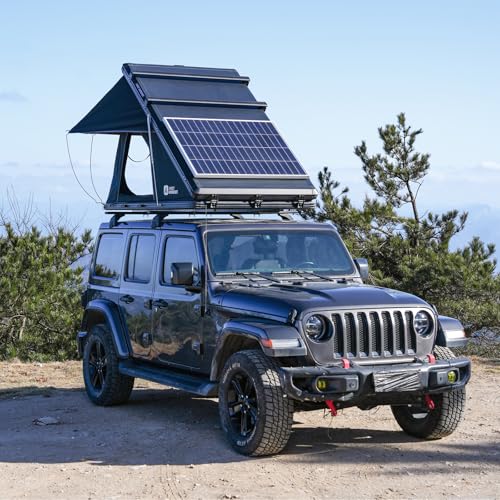
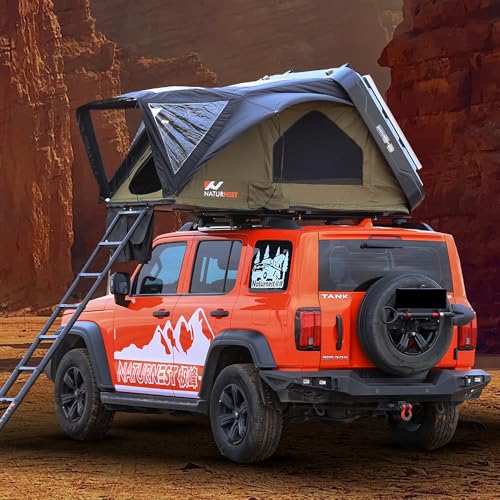
Rooftop tents come in two main styles: hard-shell and soft-shell. Hard-shell models offer faster setup, better aerodynamics, and superior weather protection, while soft-shell tents are generally more affordable and lighter. The choice depends on your vehicle, budget, and how often you plan to use it. For those considering other camping options, you might also explore ground tents or tent vs hammock for different camping styles.
Hard-Shell vs Soft-Shell Rooftop Tents
Choosing between a hard-shell and soft-shell rooftop tent is one of the most important decisions you'll make. Here's a breakdown to help you decide:
- Hard-Shell Rooftop Tents: Offer the fastest setup (often 30–60 seconds), better aerodynamics, and excellent durability. They provide superior insulation and weather resistance. Ideal for frequent travelers and those who camp in varied conditions. However, they are heavier and more expensive.
- Soft-Shell Rooftop Tents: More affordable and lighter, making them suitable for smaller vehicles or occasional use. They typically have more interior space and can accommodate more people. Setup takes a bit longer, and they may be less aerodynamic, but they are a great entry point into rooftop camping.
If you're planning to use your tent primarily for overlanding, a hard-shell model might be worth the investment. For weekend trips, a soft-shell tent offers excellent value. You can also consider pop-up tents for a different kind of instant camping setup.
How to Choose the Right Rooftop Tent
Before you buy a roof top tent, consider these factors to ensure you get the best match for your vehicle and needs:
- Vehicle Compatibility: Check your vehicle's roof load capacity (static and dynamic). Most rooftop tents weigh between 100–200 lbs, and you'll need crossbars or a roof rack that can support the weight both while driving and when parked with occupants inside.
- Weight Limits: Pay close attention to the tent's weight and your vehicle's roof rating. For trucks, you might explore roof top tents for trucks or pickup truck bed campers for alternative setups.
- Setup Time: If you value quick setup, a hard-shell is the way to go. Soft-shell tents usually take 5–15 minutes.
- Sleeping Capacity: Rooftop tents range from 2-person to 4-person models. Consider your typical camping party size.
- Weather Resistance: Look for tents with good rainfly coverage, sturdy poles, and quality materials (e.g., ripstop nylon or polyester).
For more insights on choosing the right tent, check out our guide on how to choose tent size and learn about are expensive tents worth it.
Rooftop Tent Setup & Maintenance
Setting up a rooftop tent is generally straightforward, but a few tips will make the process even smoother:
- Practice at Home: Familiarize yourself with the setup process before heading out. This reduces stress at the campsite.
- Level Your Vehicle: Use leveling blocks or find a flat spot to ensure a comfortable sleep.
- Maintenance: Regularly clean the tent fabric and zippers. Store it dry to prevent mold. Check mounting hardware before each trip.
- Accessories: Consider adding an anti-condensation mat to reduce moisture buildup, especially in cooler climates.
If you're new to camping, our first-time camping tips and car camping checklist are great resources to get you started.
Best Destinations for Rooftop Camping
One of the biggest advantages of a rooftop tent is mobility. You can easily move from one scenic spot to another. Here are a few top destinations for rooftop camping:
- Utah’s Mighty 5: Explore Zion, Bryce, Canyonlands, Arches, and Capitol Reef. Our Utah Mighty 5 guide covers the best camping spots.
- Colorado Mountains: Perfect for summer adventures. Check out Colorado camping for inspiration.
- California Coast: Combine beach and mountain camping. See our California beach camping guide.
- Overlanding Routes: For those who want to combine driving and camping, overlanding is a natural fit. Learn more about overlanding and home on wheels lifestyles.
For more destinations, browse our camping destinations page for ideas across the US.
Frequently Asked Questions About Rooftop Tents
Can I install a rooftop tent on any car?
Most vehicles with roof rails or crossbars can support a rooftop tent, but you must check the dynamic weight limit (while driving) and static weight limit (while parked). Many SUVs and trucks are ideal. For specific vehicle types, see roof top tent for truck or tent for the top of a car.
How long does it take to set up a rooftop tent?
Hard-shell tents can be set up in under a minute, while soft-shell tents typically take 5–15 minutes. Our guide on easiest roof top tent to set up covers the quickest options.
Are rooftop tents safe in bad weather?
Yes, quality rooftop tents are designed to handle rain, wind, and even snow. Look for models with robust rainfly systems and sturdy frames. For winter camping, check our winter camping and hot tent with stove guides.
For more camping questions, visit our camping FAQ page.