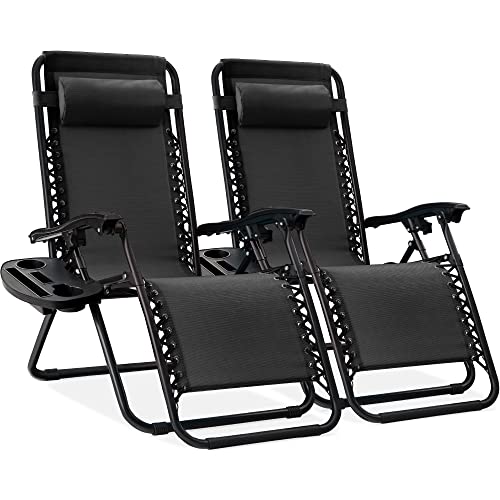
Reclining Camping Chairs: The Ultimate Comfort Guide for Outdoor Relaxation
Transform your campsite into a comfort zone. Discover how reclining camping chairs deliver unmatched relaxation, what features matter most, and how to choose the perfect recliner for your outdoor lifestyle.
START YOUR RESEARCHWhy Reclining Camping Chairs Matter: After a long day of hiking, fishing, or exploring, your body deserves proper support. Unlike standard camp chairs that lock you into one position, reclining camping chairs let you adjust your posture, reduce back strain, and truly unwind under the open sky. Whether you are a weekend car camper or a seasoned backpacker, the right recliner can dramatically improve your outdoor experience.
What Are Reclining Camping Chairs?
Reclining camping chairs are portable outdoor seating solutions designed with an adjustable backrest that can be positioned at multiple angles — from a fully upright sitting position to a near-flat lounging angle. Unlike traditional folding camp chairs with fixed backrests, recliners give you the freedom to customize your comfort throughout the day.
These chairs typically feature a lightweight yet sturdy frame (often aluminum or powder-coated steel), durable fabric (such as 600D Oxford or heavy-duty mesh), and a reclining mechanism that may use a push-back design, a lever system, or a strap-and-buckle adjustment. Many models also include padded armrests, cup holders, side pockets, and even integrated footrests.
Reclining camping chairs have become increasingly popular among outdoor enthusiasts because they bridge the gap between packability and comfort. They fold down compactly for transport yet unfold into a supportive seat that rivals your favorite living room recliner. For campers who prioritize relaxation, a quality recliner is not a luxury — it is an essential piece of outdoor furniture.
When paired with other comfort-focused gear such as a camping mat for tent sleeping or a folding camp bed for overnight guests, a reclining chair completes a campsite setup that feels genuinely comfortable rather than merely functional.
Types of Reclining Camping Chairs
Not all recliners are built the same. Understanding the different types will help you match a chair to your specific camping style, body type, and terrain.
1. Standard Reclining Camp Chairs
These are the most common and versatile options. They feature a folding frame, a reclining backrest, and usually a weight capacity between 250 and 300 pounds. Standard recliners are ideal for car camping, tailgating, and festivals. They fold into a compact size and often come with a carry bag.
2. Zero-Gravity Recliners
Zero-gravity chairs are a specialized type of recliner that elevates your legs to heart level, distributing your weight evenly and reducing pressure on your spine. They use a locking mechanism that lets you recline to any angle, including a fully flat "zero-gravity" position. These chairs are excellent for people with back pain or anyone who wants maximum relaxation. They tend to be bulkier and heavier than standard recliners, making them best suited for car camping or RV use.
3. Rocking Recliners
Combining the soothing motion of a rocking chair with the adjustability of a recliner, these chairs feature curved rocker rails and a reclining backrest. They are perfect for parents with young children, as the gentle rocking motion can help soothe a baby. The rocking portable chair category offers many options that blend these two features seamlessly.
4. Heated Reclining Chairs
For cold-weather camping, heated recliners include built-in heating elements powered by a rechargeable battery or USB connection. These are particularly popular among winter campers, hunters, and sports spectators. They add warmth and comfort to your outdoor seating, extending your camping season into cooler months.
5. Ultralight Reclining Chairs
Designed for backpackers and minimalist campers, ultralight recliners use lightweight aluminum frames and thin, durable fabrics to keep weight to a minimum — often under three pounds. While they may not offer the same plush padding as car-camping models, they provide a welcome reclining option for thru-hikers and backcountry adventurers who still want a bit of comfort at camp.
Key Features to Evaluate Before Buying
When shopping for a reclining camping chair, focus on the features that directly affect comfort, durability, and portability. Here are the most important factors to consider.
Weight Capacity
Always check the manufacturer's specified weight limit. Entry-level chairs typically support around 250 pounds, mid-range models often handle 300 pounds, and heavy-duty recliners can support 400 pounds or more. Choosing a chair with a capacity well above your weight ensures greater stability and longevity.
Reclining Mechanism
Look for a smooth, reliable recline system. Push-back mechanisms are simple and intuitive, while lever-lock systems offer more precise angle control. Test the mechanism if possible, or read reviews to ensure it does not slip or jam over time.
Frame Material
Aluminum frames are lightweight and rust-resistant, making them ideal for beach and humid environments. Powder-coated steel frames are heavier but very durable and often more affordable. Consider where you will camp most often when choosing between them.
Fabric Quality
600D Oxford polyester is a common and reliable choice for camp chair fabric. Higher denier numbers indicate thicker, more abrasion-resistant material. Mesh panels improve breathability in hot weather, while padded fabrics add plushness for cooler conditions.
Portability & Packed Size
If you have limited trunk space or plan to carry your chair short distances, pay attention to the folded dimensions and included carry bag. Some recliners fold into a long, narrow shape, while others collapse into a more compact square.
Extra Features
Cup holders, side pockets, cooler pouches, and integrated footrests add convenience. A headrest pillow or lumbar support cushion can significantly improve comfort during long lounging sessions. These small additions often make the difference between a good chair and a great one.
Reclining Camping Chair Comparison by Tier
The following table compares typical characteristics across three quality tiers. This will help you set realistic expectations based on your needs and intended use.
| Feature | Entry-Level | Mid-Range | Premium |
|---|---|---|---|
| Frame Material | Basic steel | Powder-coated steel or aluminum | Aircraft-grade aluminum or reinforced steel |
| Fabric | Standard 300D–600D polyester | 600D Oxford with mesh panels | Heavy-duty 600D+ Oxford, padded, weather-resistant |
| Weight Capacity | Up to ~250 lbs | ~250–350 lbs | ~350–500 lbs |
| Recline Mechanism | Basic push-back, limited angles | Smooth push-back or lever-lock, multiple angles | Precision lever-lock or zero-gravity, infinite positioning |
| Padding & Comfort | Minimal padding | Padded armrests and seat | Plush padding, lumbar support, headrest |
| Portability | Folds compactly, basic carry bag | Folds well, sturdy carry bag | May be bulkier, premium carry bag included |
| Durability | 1–2 seasons with regular use | 3–5 seasons with proper care | 5+ seasons, built for heavy use |
| Best For | Occasional campers, budget-conscious buyers | Regular campers, families, weekend warriors | Serious campers, large individuals, luxury seekers |
As you move up in tier, you gain smoother reclining mechanisms, stronger materials, higher weight capacities, and more comfort features. Entry-level chairs are perfectly adequate for occasional use, while premium models are built to withstand years of frequent camping and provide the ultimate relaxation experience.
Pros and Cons of Reclining Camping Chairs
Like any piece of gear, reclining camping chairs have advantages and trade-offs. Understanding both sides will help you decide whether a recliner is right for your camping setup.
Advantages
- Superior back and neck support compared to standard camp chairs
- Adjustable positioning for reading, eating, napping, or stargazing
- Reduces fatigue and strain after active outdoor days
- Many models include footrests for full-body relaxation
- Available in a wide range of sizes, weights, and feature sets
- Enhances the overall campsite experience for all ages
Limitations
- Generally heavier and bulkier than basic folding chairs
- Higher-quality recliners require a larger upfront investment
- Reclining mechanisms can wear out or jam if not maintained
- Not ideal for ultralight backpacking due to weight
- Some models may be unstable on uneven terrain
- Requires more storage space in your vehicle or gear closet
For car campers, families, and anyone who spends extended time at a campsite, the benefits of a reclining chair far outweigh the drawbacks. Backpackers and minimalist campers, however, may prefer a lighter fixed-position chair or a simple folding outdoor chair to save weight and space.
How to Choose the Perfect Reclining Camping Chair
Follow these steps to narrow down your options and find a recliner that matches your needs, body type, and camping habits.
- Identify Your Primary Use Case: Will you use the chair mainly for car camping, RV trips, beach days, or backpacking? Car campers can prioritize comfort and features, while backpackers need to prioritize weight and packed size. If you frequently camp in cold weather, consider a heated recliner or one compatible with a winter camping heater setup.
- Determine Your Required Weight Capacity: Choose a chair rated at least 50 pounds above your body weight for optimal safety and stability. If you share the chair with a partner or friend, go higher.
- Decide on the Reclining Mechanism: Push-back recliners are simple and affordable. Lever-lock systems offer more control. Zero-gravity chairs provide the ultimate in weightless relaxation but are heavier and bulkier.
- Evaluate Portability Needs: Measure your vehicle's trunk space and consider how far you will carry the chair. If portability is critical, look for models under 10 pounds with compact folded dimensions.
- Check Comfort Features: Padded armrests, a headrest, lumbar support, and a footrest can dramatically improve your experience. If you have back issues, prioritize chairs with excellent lumbar support and a smooth recline.
- Consider Durability and Warranty: Read reviews about long-term durability. A good warranty (one year or more) indicates the manufacturer stands behind their product.
- Think About Terrain: Wide feet or a low-profile base help prevent sinking in sand or soft ground. For rocky or uneven terrain, look for chairs with adjustable feet or a stable, wide stance.
Pro Tip: If you camp with a partner, consider buying two recliners of the same model. This ensures consistent comfort and makes it easier to pack and store them together. Many manufacturers offer matching sets or discounts on multiple purchases.
Maintenance and Care Tips
Proper care extends the life of your reclining camping chair and keeps it comfortable for years of use.
- Clean After Each Trip: Wipe down the frame and fabric with a damp cloth to remove dirt, sand, and sap. For deeper cleaning, use mild soap and water, then air dry completely before folding.
- Lubricate Moving Parts: Apply a small amount of silicone spray or dry lubricant to the reclining mechanism and hinges periodically to keep them operating smoothly.
- Store Dry: Never store a damp chair. Moisture can cause mildew on the fabric and rust on the frame. Allow the chair to dry fully in a well-ventilated area before packing it away.
- Avoid Overloading: Respect the weight limit. Overloading can bend the frame or damage the reclining mechanism.
- Protect from Extreme Heat: Do not leave your chair in direct sunlight for extended periods when not in use, as UV rays can fade and weaken the fabric over time.
- Inspect Before Each Use: Check for loose screws, frayed fabric, or bent frame parts. Tighten or repair as needed before your trip.
Safety Considerations When Using Reclining Camping Chairs
While reclining camping chairs are generally safe, a few precautions will help prevent accidents and injuries.
- Set Up on Level Ground: Always place your chair on a flat, stable surface. Avoid sloping ground or areas with roots and rocks that could cause tipping.
- Engage the Recline Lock: Make sure the reclining mechanism is locked in your desired position before putting your full weight on the backrest.
- Do Not Stand on the Chair: Recliners are designed for seated use only. Standing on the seat or armrests can cause the chair to collapse.
- Keep Away from Campfires: Synthetic fabrics can melt or catch fire. Maintain a safe distance from open flames, and never place a recliner directly beside a fire pit. Review our campfire safety rules for more guidelines.
- Supervise Children: Children should be supervised when using reclining chairs, as the moving parts can pinch fingers or cause the chair to tip if used improperly.
- Be Mindful of Wildlife: At primitive campsites, avoid leaving food crumbs in the chair's cup holders or pockets, which can attract animals. Our food storage rules guide provides additional tips.
Frequently Asked Questions About Reclining Camping Chairs
Are reclining camping chairs comfortable for long periods?
Yes — that is their primary advantage. A quality recliner with good lumbar support, padded armrests, and a smooth recline mechanism can be comfortable for hours. Choose a model with a headrest and footrest for maximum lounging comfort.
Can I use a reclining camping chair for backpacking?
Most standard recliners are too heavy for backpacking. However, ultralight reclining chairs exist, typically weighing under three pounds. If you are a backpacker, look specifically for ultralight models or consider a lightweight compact folding chair instead.
What is the best reclining camping chair for heavy people?
Look for chairs with a weight capacity of at least 400 pounds, a reinforced steel or aluminum frame, and wide, stable feet. Heavy-duty models are specifically engineered for larger individuals and often include extra-wide seats.
How do I know if a reclining chair will fit me?
Check the seat width, seat height, and backrest height in the product specifications. A general rule is to choose a seat width that is at least a few inches wider than your hips for comfortable seating. Read customer reviews from people with similar body types for real-world feedback.
Do reclining camping chairs come with a warranty?
Many reputable brands offer a one-year warranty against manufacturer defects. Premium brands may offer longer warranties. Always check the warranty terms before purchasing, and keep your receipt.
Can I leave my reclining camping chair outside?
It is not recommended to leave any camping chair outside for extended periods. Sun, rain, and temperature fluctuations will degrade the fabric and frame. Always store your chair indoors or in a dry, protected area when not in use.
What is the difference between a zero-gravity chair and a standard recliner?
A zero-gravity chair elevates your legs above heart level and distributes your weight evenly across the chair, reducing pressure on the spine. A standard recliner only adjusts the backrest angle. Zero-gravity chairs offer a more immersive relaxation experience but are generally heavier and bulkier.
Related Gear and Guides
Explore these related articles to complete your outdoor comfort setup:
- Reclining Portable Chairs — Compare additional portable recliner options for different camping styles.
- Durable Camping Chairs — Learn which chairs are built to last through seasons of heavy use.
- Hammock Camp Chairs — Discover the unique comfort of hammock-style camp seating.
- Director Camping Chairs — A classic alternative with a different seating profile.
- Folding Bag Chairs — Lightweight, packable options for quick trips.
- Beach Portable Chair — Specifically designed for sandy, coastal environments.
- Rocking Portable Chair — Add gentle motion to your relaxation.
- Compact Folding Chair — Space-saving designs for minimal campers.
- Smallest Foldable Chair — The most packable options on the market.
- Camping Kitchen Table — Pair your recliner with a convenient cooking surface.
- Camping Duffel Bag — Carry and protect your chair and other gear.
- Winter Camping Gear — Extend your camping season into colder months.
- Camping Safety — Essential safety knowledge for every camper.
- Camping FAQ — Answers to common camping questions.