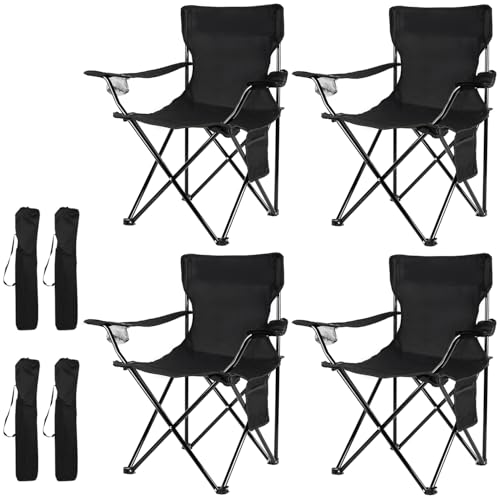
Why a Folding Bag Chair is an Outdoor Essential
The humble folding bag chair has evolved from a simple aluminum frame with a nylon seat into a sophisticated piece of outdoor furniture. Its genius lies in its simplicity: a comfortable seat that collapses into a compact, carryable package. For campers, this means you can enjoy the comforts of a real chair without sacrificing valuable vehicle space. For tailgaters and festival-goers, it provides a personal, hygienic spot to rest. The integrated carrying bag is the key feature—it keeps the chair clean during transport and makes it effortless to sling over your shoulder. This design is a staple in any collection of camping gear, offering a reliable place to sit after a long hike or a day of setting up camp. Unlike bulkier options like a rocking portable chair, the folding bag chair is purely about efficient, on-the-go seating.
Key Features to Look For in a Folding Bag Chair
Not all folding chairs are created equal. The difference between a chair that lasts for years and one that fails after a few trips comes down to a few critical components. Understanding these will help you make a smart investment.
1. Frame Material and Construction
The frame is the skeleton of the chair and determines its weight and strength. **Entry-level** models often use standard steel, which is durable but heavier. **Mid-range** chairs frequently feature aluminum frames, offering a significant weight reduction without compromising much on strength. **Premium** and **high-end** chairs may use aircraft-grade aluminum or even carbon fiber, making them incredibly light and rust-resistant. Look for reinforced joints and a powder-coated finish to prevent corrosion. The construction should feel solid, with no wobbling when you sit down. A well-built frame is especially important if you're using the chair on uneven ground, much like you'd need a durable camping chair for rugged terrain.
2. Seat Fabric and Comfort
The fabric needs to be tough enough to withstand the elements and comfortable enough for hours of use. Look for materials like heavy-duty polyester, nylon, or canvas. These are typically water-resistant and UV-resistant. **Premium** chairs often use a double-layer or reinforced fabric for extra durability. Comfort is subjective, but features like padded armrests, a slightly reclined back for lumbar support, and a wider seat can make a huge difference. Some chairs are designed with a more ergonomic shape, similar to a reclining portable chair, while others are simple and upright. For those who prioritize a soft seat, you might also consider a hammock camp chair, but a folding bag chair offers a more structured and familiar seating experience.
3. Weight, Portability, and the Bag
This is the defining feature. A good folding bag chair should be light enough to carry comfortably. The integrated bag is crucial; it should be made of durable material, have a secure closure (like a drawstring or zipper), and include a shoulder strap. The compactness of the folded chair is also key, especially for backpackers or those with limited space. Some chairs fold into a very small, cylindrical shape, while others become a flat, rectangular package. If you need something even smaller, you might look at the smallest foldable chair options, but for most general use, a standard folding bag chair is the sweet spot. For campers who want to save every ounce, pairing a lightweight chair with a good backpacking pack makes for an ideal setup.
4. Weight Capacity and Stability
Always check the manufacturer's stated weight capacity. This is a critical safety and durability metric. Exceeding the limit can lead to catastrophic failure. Stability is also key. A chair with a wider base is less likely to tip over on soft ground. Some models feature "mud feet" or wider leg caps to prevent sinking into sand or soft soil, a feature you'd appreciate at a beach camping site. The geometry of the frame also plays a role; a chair with a lower center of gravity will feel more stable. If you're looking for a chair that offers a bit more motion, a folding outdoor chair with a slight rock or flex can be very comfortable, but a traditional folding bag chair is designed for stationary, stable seating.
Types of Folding Bag Chairs
The market offers several variations on the classic design. Here’s a breakdown of the most common types you'll encounter.
- Standard Camping Chair: The most common type. It typically has a simple A-frame or X-frame design, a single cup holder, and a basic carry bag. These are your **budget-friendly** and **entry-level** workhorses, perfect for general camping and picnics.
- Backpack or Stadium Chair: These are a hybrid of a chair and a backpack. They are ultra-lightweight, often with a very minimal frame, and are designed for hikers, backpackers, or stadium events where you need to carry everything on your back. They are a great alternative to a compact folding chair if you need to be highly mobile.
- Heavy-Duty or Oversized Chair: Built for larger individuals or for those who just want more room. They have a wider seat, a stronger frame, and a higher weight capacity. They are heavier and bulkier but offer superior comfort. These are the **premium** and **high-end** options in terms of build and materials.
- Director's Chair: This style features a more upright seat and a side table. They are often bulkier and heavier, but they offer a very stable and comfortable seat with a convenient place for a drink or snack. A director camping chair is a great choice for car campers who want a touch of luxury.
- Swivel or Rocking Chair: These add a base that allows for a 360-degree swivel or a gentle rocking motion. They are very comfortable but are generally much heavier and more expensive. They are a **luxury** item for the campsite. If you like the idea of motion, you might prefer a rocking portable chair over a standard folding model.
How to Choose the Right Folding Bag Chair for You
Your choice should be guided by your primary use case. There is no single "best" chair for everyone.
For Car Campers and Families: Prioritize comfort and features over weight. Look for a **mid-range** or **premium** chair with padded armrests, a cooler or cup holder, and a sturdy frame. An oversized chair or a director's chair is an excellent choice here. You might even consider a reclining camping chair for ultimate relaxation. The extra weight is a non-issue when you're not carrying it far.
For Backpackers and Hikers: Weight and packed size are your top priorities. Look for an **ultralight** model, often made from aluminum with a minimal fabric seat. These are essentially a step up from sitting on the ground but are worth their weight in gold after a long day on the trail. A chair like this is an essential part of your backpacking gear. You might also want to look at a beach portable chair which is designed to be low to the ground and lightweight.
For Tailgaters and Concert-Goers: You need a balance of portability and durability. A standard folding bag chair is ideal. Look for one that is easy to carry, sets up quickly, and has a cup holder. A chair with a slightly lower back is often better for stadium seating, as it won't block the view of people behind you. A folding sports chair is designed with this specific use case in mind.
For Beachgoers: Sand is the enemy of stability. Look for a chair with wide, flat feet or "sand feet" to prevent sinking. A low-profile chair, often called a beach portable chair, is also a great choice as it keeps you closer to the ground and is less affected by wind. The fabric should be quick-drying and easy to shake clean.
Care and Maintenance for Longevity
To get the most out of your investment, a little care goes a long way. Always wipe down the frame and fabric with a damp cloth after use, especially if it's been exposed to saltwater or mud. Allow it to dry completely before folding and storing it in its bag to prevent mold and mildew. Check the joints and fabric periodically for signs of wear and tear. With proper care, a high-quality folding bag chair can be a reliable companion for many seasons. For more tips on maintaining your outdoor gear, explore our guides on camping FAQs and first-time camping tips.