Primitive Camping Guide: Back to Basics
Learn to camp with minimal gear, connect with nature, and master essential survival skills for a truly wild experience.
Jump to Essential Gear →What Is Primitive Camping?
Primitive camping—also known as backcountry, rustic, or off-grid camping—is the art of camping without modern amenities. No electricity, no running water, no hookups. You carry everything you need on your back or in your vehicle, and you rely on your skills, knowledge, and the natural environment. It’s the purest form of camping, offering solitude, challenge, and a deep connection to the wild.
Whether you're a seasoned backpacker or a car camper looking to ditch the glamping gear, primitive camping rewards preparation and resourcefulness. This guide covers essential gear, core skills, safety tips, and the mindset needed to thrive in the backcountry.
Why Choose Primitive Camping?
🚫 Disconnect to Reconnect
No phone signal, no screens, no distractions. Just you, your companions, and the sounds of nature. Primitive camping forces you to be present.
🌲 True Wilderness Access
Many of the most stunning campsites are only accessible by foot or rugged vehicle. Primitive camping opens up BLM camping and dispersed areas that developed campgrounds can't reach.
🪵 Skill Building
From building a fire without a lighter to navigating with a map and compass, primitive camping teaches self-reliance.
💰 Cost-Effective
Most primitive sites are free or very low-cost. You save money on amenities and invest in quality gear that lasts.
Essential Gear for Primitive Camping
The key to primitive camping is bringing the right gear—lightweight, durable, and multi-functional. Here's what you need:
- Shelter: Lightweight ground tent, hammock, or tarp
- Sleep System: Sleeping bag, pad, and pillow
- Water: Water filter and durable bottles
- Fire: Matches, lighter, and fire starter
- Food: Non-perishable meals and cookware
- Navigation: Map, compass, and GPS backup
- Lighting: Headlamp and spare batteries
- First Aid: First aid kit
- Tools: Knife, multi-tool, and gear hauling if needed
- Waste: Trowel and trash bags
For a full list, check our camping checklists.
Core Primitive Camping Skills
🔥 Fire Building
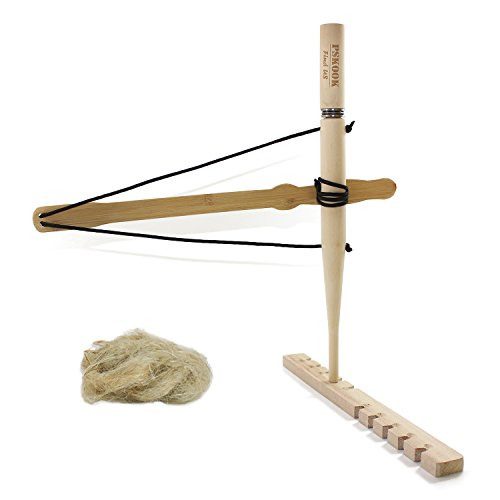
Master the art of building a fire in wet or windy conditions. Know how to gather tinder, kindling, and fuel. Practice using a fire steel or bow drill.
Learn fire safety →💧 Water Sourcing & Purification
Learn to identify safe water sources and purify using filters, chemical tablets, or boiling. Dehydration is a serious risk—stay ahead.
🧭 Navigation Without Electronics
GPS can fail. Know how to read a topographic map, use a compass, and navigate by the sun and stars.
Navigation tools →🪚 Knots & Shelter Setup
Know a few essential knots (bowline, taut-line hitch, trucker's hitch) to secure tarps, hang food, and set up your camp.
Shelter setup tips →🥾 Leave No Trace
Primitive camping means leaving the site better than you found it. Practice the Leave No Trace principles diligently.
🦺 Wildlife Awareness
Understand local wildlife. Store food properly, know how to react to bears or mountain lions, and always carry bear spray.
Wildlife safety →⚠️ Primitive Camping Safety Essentials
- Tell someone your plan: Always leave a detailed itinerary with a trusted contact.
- Check weather and fire bans: Visit weather alerts and fire ban guides before you go.
- Pack a reliable emergency communication device: Satellite messengers can be lifesavers in remote areas.
- Know basic wilderness first aid: Treat sprains, cuts, burns, and hypothermia.
- Stay calm if lost: Stop, think, observe, and plan. Signal for help using a whistle or mirror. Learn what to do if lost.
Top Primitive Camping Destinations
🏔️ Colorado
Miles of National Forest and BLM land with free dispersed camping. High-altitude adventure at its best.
🌵 Arizona Desert
Explore the Sonoran or Mojave deserts. Stunning views, dark skies, and solitude—just bring plenty of water.
🌲 Smoky Mountains
Backcountry sites in the Smokies offer lush forest, streams, and wildlife. Permit required for primitive camping.
🏞️ BLM & National Forest Land
Across the western U.S., BLM and National Forest lands are the backbone of primitive camping. Always check local regulations.
Primitive vs. Other Camping Styles
Primitive camping differs from car camping, RV camping, and glamping in that you forgo all amenities. You carry your gear, you pack out your waste, and you rely entirely on your preparation. It's not for everyone—but for those who crave solitude and challenge, it's the ultimate outdoor experience.
If you're new to primitive camping, start with a first-time camping trip at a basic site, then progress to dispersed areas. Always check local rules—some areas require permits or have specific restrictions.