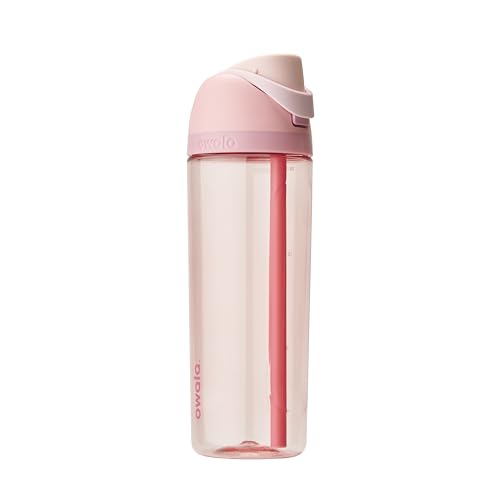
Plastic Water Bottle Guide
Stay hydrated on the trail. Learn about the best BPA-free plastics, durability, weight, and how to choose the perfect bottle for your camping and hiking needs.
Why a plastic water bottle? Lightweight, durable, and affordable, plastic bottles are a staple for outdoor enthusiasts. Whether you're on a day hike, camping trip, or backpacking adventure, choosing the right plastic bottle can make a big difference. This guide covers the essential types, safety considerations, and top features to look for.
What Makes a Great Camping Water Bottle?
💧 BPA-Free & Safe
Look for BPA-free and food-grade plastics like Tritan or HDPE to ensure no harmful chemicals leach into your water.
⚖️ Lightweight
Every ounce counts on the trail. Plastic bottles are significantly lighter than stainless steel or glass, ideal for long hikes.
🔒 Leak-Proof Seal
A reliable cap and seal prevent spills in your pack. Look for bottles with secure, one-handed operation lids.
💪 Durable & Impact-Resistant
Plastic bottles can withstand drops and rough handling. Materials like Tritan are shatter-proof and built to last.
Types of Plastic Water Bottles
| Material | Key Features | Best For |
|---|---|---|
| Tritan (Eastman) | BPA-free, shatterproof, clear, dishwasher-safe | Daily use, hiking, camping, and travel |
| HDPE (High-Density Polyethylene) | BPA-free, lightweight, flexible, affordable | Budget-friendly, lightweight backpacking |
| Polycarbonate (old style) | May contain BPA; heavy, less common now | Not recommended for new purchases |
| PET (Polyethylene Terephthalate) | Single-use, lightweight, recyclable | Disposable use or emergency backup |
✅ Advantages of Plastic
- Very lightweight and easy to carry
- Affordable and widely available
- Durable and impact-resistant (Tritan, HDPE)
- Often squeezable for faster flow
- Recyclable and eco-friendly options available
❌ Disadvantages of Plastic
- Can retain odors or flavors over time
- May degrade if exposed to extreme heat
- Single-use PET creates waste
- Not as insulating as stainless steel
How to Choose the Right Plastic Water Bottle
Consider your activity: For hiking and camping, a Tritan or HDPE bottle with a capacity of 24–32 oz is ideal. If you're backpacking, prioritize lightweight collapsible bottles. For car camping or basecamp, larger 1-liter bottles are great. Always check for a wide-mouth opening for easy cleaning and ice filling. And remember, portable water filters pair perfectly with plastic bottles for safe drinking in the wild.
Safety & Maintenance Tips
🧼 Cleaning
Wash with warm soapy water after each use. For deep cleaning, use a bottle brush and a mixture of baking soda and vinegar.
☀️ Heat Exposure
Avoid leaving plastic bottles in direct sunlight or hot cars for long periods, as heat can accelerate degradation.
♻️ Recycling
When it's time to replace, recycle your bottle responsibly. Many brands offer recycling programs or use recycled materials.
🔍 Inspect Regularly
Check for cracks, wear, or discoloration. If you notice any, it's time for a new bottle to ensure your water stays safe.
💡 Planning a trip? Check our guides on primitive camping, car camping checklist, and ultralight backpacking tips.