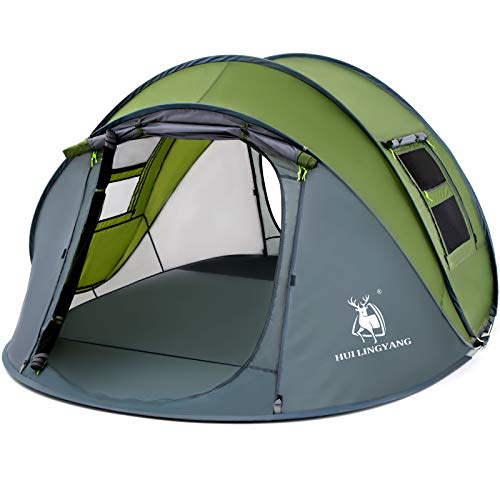
Pop Up Tent Rainfly: Full Coverage vs Wind Protection
Stay dry and comfortable in any weather. Learn how to choose the right rainfly for your pop-up tent, plus setup tips and expert gear recommendations.
Shop Top Rainfly Picks ↓A pop up tent rainfly is your first line of defense against unexpected downpours, morning dew, and gusty winds. While many instant tents come with a basic rain cover, upgrading to a purpose-built rainfly can dramatically improve your camping experience. This guide covers everything you need to know—from the differences between full-coverage and wind-protection designs to setup best practices—so you can camp with confidence.
Rainfly Key Features
Full-Coverage Design
Extends over the entire tent body, including the vestibule, to keep rain from pooling on the roof and prevent side splash.
Wind-Protection Cut
Low-profile shape with extra guy-out points that shed wind and reduce noise, ideal for exposed campsites.
Waterproof Coating
Look for 1500mm – 3000mm hydrostatic head rating and taped seams to ensure reliable waterproofing.
Ventilation Options
Adjustable vents and pole sleeves promote airflow, reducing condensation without letting rain in.
Full Coverage vs. Wind Protection: Which Is Right for You?
- Full-Coverage Rainfly: Best for rainy, humid conditions. Provides a dry vestibule for gear storage and helps keep the tent interior completely dry during prolonged storms.
- Wind-Protection Rainfly: Designed for high-wind environments (beaches, open plains, mountains). The aerodynamic shape reduces lift and flapping, while extra anchor points keep the tent stable.
- Compromise: Many modern pop-up tents include a hybrid fly that offers good coverage and moderate wind resistance—suitable for most 3-season camping.
Pro Tip: If you frequently camp in variable weather, consider a rainfly with adjustable pitch settings. You can lower it for storm protection or raise it for ventilation on clear nights.
Rainfly Setup & Care
1. Pitch the Rainfly First
When setting up your pop-up tent in the rain, deploy the rainfly before fully opening the tent body. This keeps the interior dry and prevents water from collecting on the floor.
2. Use All Guy Lines & Stakes
Even if the tent feels secure, always attach the rainfly's guy lines to the included stakes. This creates an air gap that reduces condensation and prevents the fly from touching the tent walls, which can lead to leaks.
3. Dry Before Storing
After a wet trip, hang the rainfly to dry completely before packing. Mildew can degrade the waterproof coating and weaken the fabric over time.
Related Guides: Learn more about instant tents and how they pair with rainflies, or explore the differences between ground tents and pop-up designs. If you're planning a trip to a rainy destination, check out our tips for camping in a tent in the rain and how to set up a tent in the rain.
Ready to Stay Dry?
Browse our top-rated pop-up tent rainflies and get the protection you need for your next adventure.
Shop Rainflies Now