Outdoor Portable Toilet for Camping: The Ultimate Sanitation Guide
Say goodbye to discomfort in the wild. Learn how to choose, use, and maintain the best portable toilet for your camping adventures—so you can answer nature's call with confidence.
START YOUR RESEARCHWhy a portable toilet matters: Proper sanitation is not just about comfort—it's about health, safety, and Leave No Trace ethics. A reliable outdoor portable toilet for camping keeps your campsite clean, prevents the spread of illness, and lets you enjoy the wilderness without worry. Whether you're a weekend car camper or a seasoned backcountry explorer, the right portable toilet transforms your experience.
Why Every Camper Needs a Portable Toilet
Campgrounds with full facilities are becoming harder to find, and many dispersed camping areas require you to pack out everything—including human waste. A portable toilet solves multiple problems at once. It eliminates the need to dig cat holes, reduces environmental impact, and provides a hygienic option for everyone from toddlers to seniors. For those who camp in national parks or protected wilderness areas, a portable toilet is often mandatory by regulation. You'll also find that having a dedicated toilet makes night-time trips far safer—no wandering in the dark. If you're new to camping, our camping essentials for first-timers guide covers other must-have gear that pairs well with a portable toilet.
Types of Outdoor Portable Toilets for Camping
Not all portable toilets are created equal. The right choice depends on your camping style, group size, and how far you need to carry it. Here's a breakdown of the main categories.
1. Flushable Portable Toilets
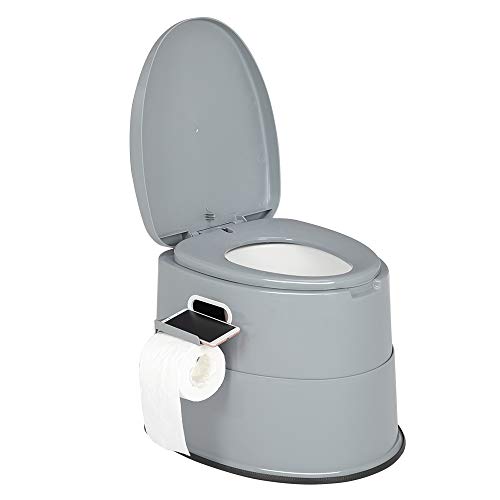
These models use a manual pump or battery-powered flush to move waste into a sealed holding tank. They offer the most home-like experience and are ideal for RV camping, car camping, and family trips. Mid-range and premium flushable toilets often include features like level indicators, odor-sealing valves, and comfortable seats. They are heavier than other types, so they're best for campsites you can drive to. If you're setting up a basecamp, a flushable toilet is a top-tier convenience.
2. Composting Toilets
Composting toilets separate liquid and solid waste, using a carbon-rich cover material to accelerate decomposition and control odors. They are eco-friendly and require no water, making them perfect for off-grid and extended trips. Entry-level composting toilets are simple bucket-style systems, while high-end models feature separate chambers, ventilation fans, and robust construction. They are a bit more involved to maintain, but they are the gold standard for sustainable camping. For those practicing Leave No Trace principles, a composting toilet is an excellent choice.
3. Foldable and Pop-Up Toilets
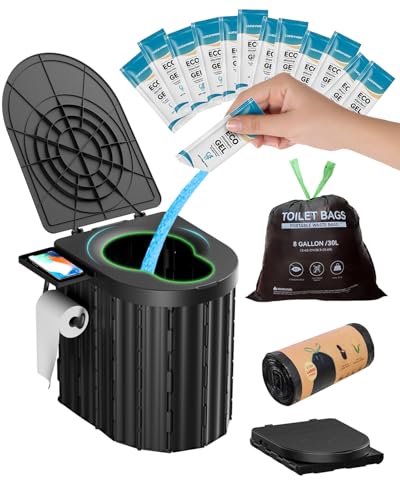
These are the most compact and budget-friendly options. They typically consist of a folding frame and a disposable bag. Some are simple seats that sit on the ground, while others have legs that raise them to a standard toilet height. They are ultra-light, easy to store, and great for backpacking, motorcycle camping, and emergency kits. You can pair them with potable water containers for a complete hygiene setup. The trade-off is that you must carry out the waste bag, but for many campers, that's a small price for the extreme portability.
How to Choose the Best Portable Toilet for Your Needs
Before you buy, consider these key factors to ensure you get a toilet that fits your camping style and budget tier.
- Capacity: How many people and how many days? Larger holding tanks mean fewer empties. For solo weekend trips, a small foldable model may suffice. For a family of four on a week-long trip, a mid-range flushable toilet with a larger tank is better.
- Weight and Portability: If you're backpacking, every ounce counts. Look for lightweight folding toilets under a few pounds. For car camping, weight is less of an issue, and you can prioritize comfort and features.
- Ease of Cleaning: Removable inner buckets, smooth surfaces, and wide openings make emptying and rinsing much easier. Composting toilets require more frequent maintenance but are generally straightforward once you establish a routine.
- Odor Control: Sealed valves, carbon filters, and effective cover materials are crucial. Flushable models with a tight-sealing blade and composting toilets with proper ventilation are best at keeping smells at bay.
- Stability and Comfort: A wider base and a sturdy seat make a big difference, especially for older campers or those with mobility issues. High-end models often have a more ergonomic design and a higher seat height.
- Regulations: Some public lands require specific toilet systems (e.g., WAG bags or portable toilets with leak-proof containers). Always check local rules before you go. Our guide to BLM camping rules can help you understand common requirements.
Portable Toilet Types at a Glance
How to Use a Portable Toilet Responsibly
Using a portable toilet is simple, but doing it right ensures a pleasant experience for you and everyone around you. Follow these steps:
- Set up on level ground: Choose a flat, stable surface away from water sources (at least 200 feet from lakes, streams, or rivers).
- Use the right waste bags or treatment: For foldable toilets, use heavy-duty compostable bags and add a solidifying agent. For flushable models, use the recommended chemicals or eco-friendly treatments. Never put anything in the toilet that isn't designed to go there—no wet wipes unless they are specifically approved.
- Manage odor: Keep the lid closed when not in use. For composting toilets, add a scoop of cover material after each use. For flushable toilets, use a deodorizing chemical. Proper ventilation is key—some models have a vent hose you can direct away from the living area.
- Empty and clean properly: Dispose of waste at an approved dump station or sanitary sewer. Never dump waste into a river, lake, or on the ground. Rinse the tank thoroughly and let it dry before storing. For a complete hygiene kit, consider a portable outdoor toilet for camping that includes cleaning accessories.
- Practice Leave No Trace: Pack out all waste, including the bags and any toilet paper. Even if you bury it, that's not always appropriate. The Leave No Trace principle of "Dispose of Waste Properly" is your guide.
Key Features That Make a Great Camping Toilet
When comparing models, focus on these features to get the best value for your camping style:
- Leak-proof design: A secure seal between the seat and the tank is non-negotiable. Look for models with a locking lid and a gasket.
- Comfortable seat height and width: A seat that's too low or too narrow can be difficult to use. Premium models often have a full-size seat and a higher sitting position.
- Easy-to-clean surfaces: Smooth, non-porous plastic is easiest to sanitize. Avoid models with hard-to-reach crevices.
- Sturdy construction: A toilet that wobbles or feels flimsy is a safety hazard. Check weight capacity and base stability.
- Portability features: Handles, compact folding mechanisms, and lightweight materials make a big difference if you're moving it often.
- Compatibility with accessories: Some toilets work with gazebo canopies with mosquito netting or privacy tents for a complete outdoor bathroom setup. A privacy shelter is especially useful for campgrounds without facilities. You might also consider a potable water container for camping for handwashing.
Maintenance and Cleaning Tips for Longevity
A well-maintained portable toilet will last for years and stay hygienic. Here's how to keep it in top shape:
- Rinse after every trip: Even if you used a bag, rinse the tank and seat with fresh water. For composting toilets, empty and clean the chambers according to the manufacturer's instructions.
- Use the right cleaning products: Mild soap and water are usually sufficient. Avoid harsh chemicals that can damage plastic or interfere with composting processes. For flushable toilets, use only approved RV or camping toilet chemicals.
- Store dry: Never store a portable toilet with the lid sealed tight if there's any moisture inside—that's a recipe for mold. Leave it open to air dry completely before reassembling.
- Inspect seals and gaskets: Before each trip, check for cracks or wear. Replace any worn parts to prevent leaks.
- Keep a spare parts kit: Extra gaskets, seals, and bags are small and inexpensive—having them on hand can save your trip.
Safety, Regulations, and Etiquette
Improper disposal of human waste can contaminate water sources and spread disease. Always follow these rules:
- Check local regulations: Many national parks and wilderness areas require you to use a portable toilet or pack out waste. Our guide to national park rules and state park rules can help you understand the requirements.
- Use designated dump stations: Never empty your portable toilet into a vault toilet or a pit toilet unless it's specifically allowed. Dump stations are designed for this purpose.
- Respect other campers: Set up your toilet away from others' campsites, trails, and water sources. Use a privacy tent if needed.
- Emergency preparedness: A portable toilet is also an essential part of an emergency kit for natural disasters or extended power outages. It's a practical item that serves you both in the wild and at home. For more on this, see our emergency preparedness for camping guide.
Final Thoughts: Choosing Your Perfect Portable Toilet
The best outdoor portable toilet for camping is the one that matches your needs, your camping style, and your commitment to leaving no trace. If you're a car camper who values comfort, a mid-range flushable model is a great investment. If you're a backpacker counting ounces, an ultra-light foldable toilet is your best friend. And if you're passionate about sustainability, a composting toilet is a top-tier choice. No matter which type you choose, you'll be rewarded with a cleaner, more comfortable, and more responsible camping experience. Pair it with other key gear like a camping backpack with water bladder and a first aid kit for camping to be fully prepared.
Remember: a portable toilet isn't just a luxury—it's a tool for protecting the outdoors you love. Happy camping!
Explore more of our camping guides: Camping Essentials for First-Timers · Potable Water Container · Gazebo Canopy with Mosquito Netting · Leave No Trace Principles · Emergency Preparedness · BLM Camping Rules