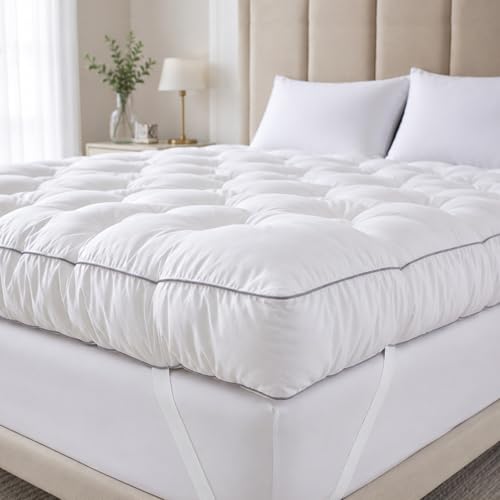
Best Mattress Topper for Shoulder and Hip Pain
Wake up pain-free with the right mattress topper. Expert-tested picks for side sleepers, pressure relief, and deep comfort.
If you wake up with shoulder or hip pain, your sleeping surface may be the culprit. A high-quality mattress topper can transform an overly firm or worn-out mattress into a pressure-relieving haven. This guide covers everything you need to know — from materials and firmness to top recommendations — so you can sleep better tonight.
Why a Mattress Topper for Shoulder and Hip Pain?
Shoulder and hip pain are common complaints among side sleepers and those with pressure point sensitivity. When your mattress doesn't provide adequate contouring, these bony areas bear excessive weight, leading to discomfort, numbness, and disrupted sleep.
A purpose-built mattress topper adds a plush, cushioning layer that conforms to your body's curves. This reduces pressure on the shoulders and hips while keeping your spine aligned. For campers and outdoor enthusiasts, the right topper can also make a tent sleeping setup far more comfortable, especially after a long day of hiking or exploring.
What to Look For in a Pain-Relief Topper
Not all toppers are created equal. Here are the critical features that make a difference for shoulder and hip pain:
Memory Foam
Viscoelastic foam offers exceptional pressure relief and body contouring. Look for gel-infused or open-cell versions to reduce heat retention. A density of 3–4 lbs/ft³ provides the best balance of support and durability.
Latex
Natural latex is responsive, bouncy, and breathable. It provides gentle contouring without a "hugging" feel. Talalay latex is softer and more uniform, making it ideal for pressure relief.
Cooling Gel
Gel-infused foams or gel swirls actively draw heat away from the body. This is crucial for hot sleepers and summer camping trips, especially when paired with breathable blankets.
Firmness Level
For shoulder and hip pain, a medium-soft to medium firmness is generally best. It allows your shoulders and hips to sink in slightly while keeping your lower back supported. Avoid "extra firm" toppers, which can worsen pressure points.
Additionally, consider thickness. Toppers between 2–4 inches provide meaningful cushioning without altering the mattress's overall support too much. For a deeper dive into sleep surfaces for outdoor adventures, check out our guide on the most comfortable sleeping pads for car camping.
Types of Mattress Toppers for Pain Relief
Memory Foam Toppers
Best for: Deep pressure relief and body-hugging comfort.
Memory foam is the most popular choice for pain relief. It molds to your body's shape, reducing pressure points significantly. However, it can trap heat, so choose a gel-infused or ventilated model if you sleep warm. For a lightweight option that's easy to transport, consider all-in-one sleeping bag and mattress systems for camping trips.
Latex Toppers
Best for: Responsive support and temperature neutrality.
Latex provides a buoyant, "on-top" feel while still contouring. It's naturally hypoallergenic, dust-mite resistant, and highly durable. Talalay latex is softer and more uniform, making it excellent for shoulder and hip relief.
Polyurethane Foam Toppers
Best for: Budget-friendly pressure relief.
Polyurethane foam (often labeled as "luxury foam") is affordable and widely available. It offers moderate contouring but may not be as durable as memory foam or latex. Look for high-density polyfoam (around 2–3 lbs/ft³) for better longevity.
Feather & Down Toppers
Best for: Plush softness and luxury feel.
While feather toppers add a soft, cloud-like layer, they don't provide as much structural support for pressure relief. They can be a good addition to an already supportive mattress but are less effective for significant hip or shoulder pain.
If you're also looking to improve your sleeping setup outdoors, exploring blow-up beds with built-in pumps can be a game-changer for comfort under the stars.
Quick Comparison: Top Topper Types
| Material | Pressure Relief | Cooling | Durability | Price Range |
|---|---|---|---|---|
| Memory Foam (Gel-Infused) | ★★★★★ | ★★★☆☆ | ★★★★☆ | $80–$250 |
| Latex (Talalay) | ★★★★☆ | ★★★★★ | ★★★★★ | $200–$400 |
| Polyurethane Foam | ★★★☆☆ | ★★☆☆☆ | ★★★☆☆ | $40–$120 |
| Feather/Down | ★★☆☆☆ | ★★★★☆ | ★★☆☆☆ | $100–$300 |
* Prices are approximate and reflect queen-size toppers as of 2026.
Pros and Cons of Using a Mattress Topper
✅ Pros
- Significantly reduces pressure on shoulders and hips
- Affordable alternative to buying a new mattress
- Easy to clean and maintain (most have removable covers)
- Portable – great for guest rooms, dorms, and tent camping trips
- Variety of materials and firmness levels to suit personal preference
❌ Cons
- Does not fix a sagging or broken mattress foundation
- Memory foam can retain heat (choose cooling options)
- May shift or bunch up without a fitted sheet or anchor straps
- Some materials (like latex) are more expensive
- May alter the feel of your mattress significantly
How to Choose the Best Topper for Your Pain
Follow this step-by-step approach to find your ideal topper:
- Step 1: Assess Your Sleep Position. Side sleepers need the most pressure relief. Back sleepers may prefer medium-firm, while stomach sleepers should opt for firmer toppers to avoid sinking.
- Step 2: Identify Your Pain Points. If shoulder pain is dominant, choose a softer topper (3–4 inches). For hip pain, a medium topper (2–3 inches) with good support is ideal.
- Step 3: Choose the Right Material. Memory foam for maximum contouring, latex for a cooler, bouncier feel, or polyfoam for budget-friendly comfort.
- Step 4: Check the Density and Thickness. Higher-density materials last longer. A 3-inch topper is a sweet spot for pain relief without being too soft.
- Step 5: Look for Cooling Features. Gel infusions, open-cell foams, or breathable covers help regulate temperature, especially during warmer months.
- Step 6: Read Customer Reviews. Look for feedback from people with similar pain profiles. Real-world experiences are invaluable.
For those who combine camping and road trips, a quality topper can also be used in RV camping setups or even in pop-up tent campers to ensure restorative sleep after a day of adventure.
How to Extend the Life of Your Topper
- Use a waterproof mattress protector to guard against spills, sweat, and dust mites.
- Wash the cover regularly according to the manufacturer's instructions (most are machine-washable).
- Rotate the topper every 3–6 months to ensure even wear and prevent sagging.
- Avoid folding or creasing the topper for extended periods; store it flat if possible.
- Vacuum the topper occasionally to remove dust and allergens, especially if you use it in a tent or camper.
Ready to Sleep Pain-Free Tonight?
Explore our top-rated mattress toppers for shoulder and hip pain. Each product is vetted for quality, comfort, and durability.
Shop NowStill unsure? Check out our full guide on mattress toppers for side sleepers with hip pain for more tailored advice. And if you're looking for a more permanent solution, explore our cooling gel memory foam toppers or extra-firm toppers for back pain.