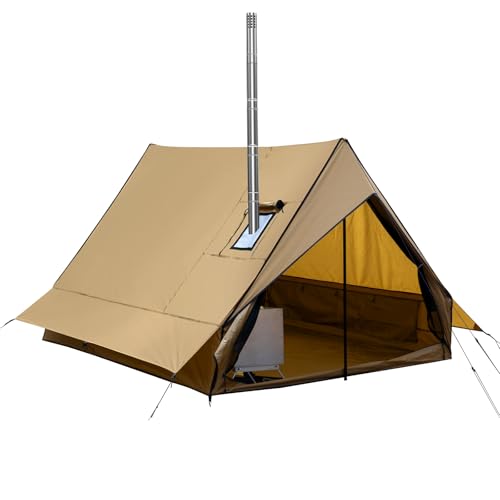
Hot Tent Camping Guide: Comfort in Winter
Everything you need to know about hot tents — from choosing the right tent and stove to safe setup, condensation control, and essential winter camping gear.
What is a Hot Tent? A hot tent is a specially designed tent that accommodates a wood-burning stove inside, allowing you to stay warm and comfortable even in freezing winter conditions. Unlike standard tents that trap cold air, hot tents feature a stove jack — a fireproof opening in the roof or wall that safely vents smoke outside while retaining heat inside. This guide will help you choose the best hot tent for your needs, understand the essential accessories, and camp safely in cold weather.
Why Choose a Hot Tent for Winter Camping?
Hot tent camping transforms the winter wilderness experience. Instead of shivering in a cold tent, you can enjoy temperatures above freezing while snow piles up outside. The stove provides not just warmth but also a surface for cooking and boiling water, making extended winter trips more comfortable and self-sufficient. Hot tents are particularly popular among winter campers, ice fishermen, and hunters who need reliable shelter in harsh conditions. The ability to dry wet gear by the fire adds a practical advantage that cold tents cannot match.
What Makes a Great Hot Tent?
Stove Jack
A fireproof opening (typically 4–6 inches) in the roof or wall to safely vent the stove pipe. Made from heat-resistant materials like silicone or fiberglass.
Material
Canvas or heavy-duty polyester with high denier (300D+) for durability. Canvas is more breathable and quieter in wind, while polyester is lighter and more water-resistant.
Ventilation
Multiple vents or mesh windows to prevent condensation and manage airflow. Proper ventilation is crucial for safety and comfort.
Floor
Removable or integrated floor. Many hot tents have a removable floor for easy cleaning and to allow snow or ground debris to be swept out.
Size & Capacity
From 2-person shelters to large 8-person tents. Larger tents require bigger stoves to maintain warmth. Consider your camping style and group size.
Setup
Pole design matters — some hot tents use internal frames, others use external poles or require guy lines. Setting up on snow adds another layer of complexity.
Types of Hot Tents
Canvas Wall Tents
Traditional and highly durable, canvas wall tents are the classic hot tent design. They are heavy but offer superior breathability, reduced condensation, and excellent heat retention. Ideal for basecamp camping and extended stays. Canvas tents are often more expensive but can last decades with proper care. Many models feature a stove jack and large doors for easy access.
Tipi-Style Hot Tents
Conical or pyramid-shaped tents that are easy to set up with a single center pole. They are stable in wind and shed snow efficiently. Tipi designs usually have a stove jack near the top and offer good headroom. They are popular among winter backpackers because they balance weight and spaciousness. Teepee tents share similar design principles.
Dome & Bell Tents
Bell tents offer a classic round shape with plenty of headroom and a central stove jack. Dome-style hot tents are more modern, using flexible poles for quicker setup. Both are great for car camping and winter camping with camping stoves. Bell tents are especially favored for glamping due to their spacious and aesthetic design.
Essential Gear for Hot Tent Camping
A hot tent is only part of the equation. To get the most out of your winter camping experience, you'll need the right supporting gear:
- Wood Stove: Choose a lightweight titanium or steel stove sized for your tent. Small tents (2–3 persons) need stoves around 3–5 lbs, while large tents (6–8 persons) may need 10+ lb stoves.
- Stove Pipe Kit: Includes sections of pipe, a spark arrestor, and a rain cap. Ensure the pipe diameter matches your stove jack.
- Fire Starter & Tools: A hatchet, saw, fire starter, and stove gloves for safe operation. Dry wood is critical in winter — consider bringing kindling.
- Sleeping Bag: Invest in a good sleeping bag for cold weather. Even with a stove, temperatures can drop significantly overnight.
- Sleeping Pad: Insulated pads (R-value 4+) prevent heat loss to the ground. Combine with a camping mattress for extra comfort.
- Carbon Monoxide Detector: Absolutely essential! Place a battery-powered CO detector inside your tent for safety.
Hot Tent Safety & Setup Tips
Using a stove inside a tent requires careful attention to safety. Follow these guidelines to ensure a safe and enjoyable experience:
- Proper Ventilation: Always keep at least one vent or window partially open while the stove is burning. This maintains oxygen levels and prevents carbon monoxide buildup.
- Stove Pipe Clearance: Ensure the stove pipe does not touch the tent fabric. Use a stove jack properly and maintain the manufacturer's recommended clearance.
- Fire Safety: Keep a fire extinguisher or a bucket of snow/water within reach. Never leave the stove unattended while burning.
- Ground Protection: Place a fire-resistant mat under the stove to protect the tent floor. Also, consider a heat shield for the area behind the stove.
- Condensation Management: Hot tents produce condensation from melting snow and breath. Use a drip cap on the stove pipe and wipe down the interior periodically.
For more winter camping safety advice, check out our comprehensive guides on winter camping safety and winter tents.
Best Hot Tents & Price Ranges
Hot tents come in various price ranges depending on material, size, and brand. Here's what you can expect:
- Entry-Level (Polyester, 2–4 person): $250–$500. Lightweight, decent durability, good for occasional winter trips.
- Mid-Range (Canvas or heavy-duty polyester, 4–6 person): $500–$1,200. Better heat retention, more durable, includes quality stove jacks.
- Premium (Canvas, 6–10 person): $1,200–$2,500+. Heavy-duty materials, spacious, designed for extended use and harsh conditions.
Prices for the stove are typically additional: $150–$400 for titanium or steel models, plus $50–$150 for the pipe kit. Complete hot tent + stove packages can range from $500 to $3,000+.
Hot Tent Camping Checklist
- Hot tent with stove jack
- Wood stove with pipe kit
- Fire starter & kindling
- Hatchet or saw for firewood
- Stove gloves & fire tools
- Carbon monoxide detector
- Sleeping bag (rated for cold weather)
- Insulated sleeping pad (R-value 4+)
- Camping stove for backup cooking
- Water containers & insulated bottles
- Headlamp & lantern
- First aid kit & emergency gear
- Warm clothing & extra layers
- Ice scraper / snow shovel
- Dry firewood or fuel
- Fire extinguisher
Frequently Asked Questions About Hot Tents
Can you use any tent with a stove?
No. Only tents specifically designed with a stove jack (fireproof opening) can safely accommodate a wood stove. Modifying a regular tent is dangerous and not recommended. Always choose a purpose-built hot tent.
How warm does a hot tent get?
With a properly sized stove, a hot tent can reach 60–80°F (15–27°C) even when outdoor temperatures drop below freezing. The actual temperature depends on the tent size, stove output, and outside conditions.
Is condensation a problem in hot tents?
Yes, condensation forms when warm, moist air meets cold tent fabric. Good ventilation (vents open) and using a drip cap on the stove pipe help manage moisture. Canvas tents generally have fewer condensation issues than synthetic ones.
What size stove do I need for a hot tent?
For a 2–3 person tent (60–80 sq ft), a stove around 3–5 lbs with 3–4" pipe is sufficient. For 4–6 person tents (100–150 sq ft), choose a 6–10 lb stove with 4–5" pipe. Larger tents need larger stoves to maintain warmth.
Ready to Embrace Winter Camping? A hot tent opens up a world of year-round camping possibilities. Whether you're planning a winter winter camping adventure or looking to extend your camping season, the right hot tent setup will keep you warm, dry, and safe. Browse our top recommended products below and gear up for your next cold-weather escape!