Fishing Tackle Box: Complete Buyer's Guide & Organization Tips
Discover how to choose the right tackle box for your fishing style. Compare materials, sizes, and storage systems — then keep your lures, hooks, and line organized and ready for every trip.
START EXPLORINGWhy Your Tackle Box Matters: A well-organized tackle box protects your gear, saves time on the water, and helps you fish more effectively. Whether you're a weekend angler or a seasoned pro, the right storage system keeps your hooks sharp, your line tangle-free, and your focus on landing the next catch.
Types of Fishing Tackle Boxes
Not all tackle boxes are created equal. The best choice depends on your fishing environment, the amount of gear you carry, and how you prefer to access your lures. Below is a breakdown of the most common styles, from simple trays to advanced modular systems.
| Type | Best For | Portability | Storage Capacity | Typical Tier |
|---|---|---|---|---|
| Traditional One-Tray | Beginners, light trips, panfish | Excellent — fits in a small bag | Small — 1–2 small compartments | Entry-Level |
| Soft-Sided Bag | Bank fishing, hiking to spots | Very good — lightweight, shoulder strap | Medium — multiple pockets and sleeves | Mid-Range |
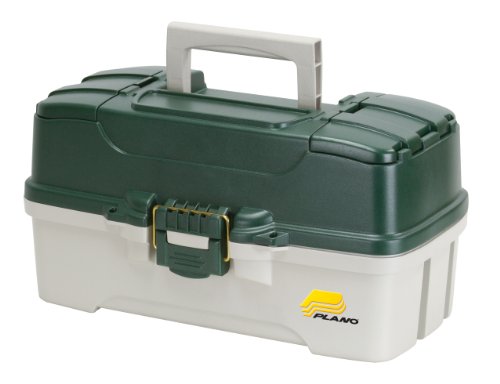
| Hard Plastic Multi-Tray | Boat and pier fishing, general use | Moderate — bulky but sturdy | Large — 3–6 trays with dividers | Mid-Range |
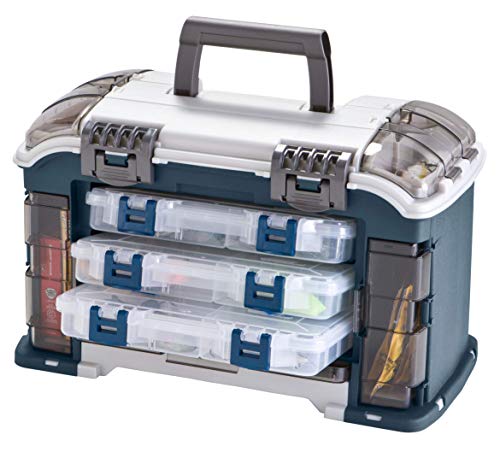
| Modular / Rack System | Serious anglers with lots of lures | Low — designed for stationary use | Very large — customizable compartments | Premium |
| Fly Fishing Vest / Chest Pack | Fly anglers wading in rivers | Excellent — worn on body | Small to medium — focused on flies | Premium |
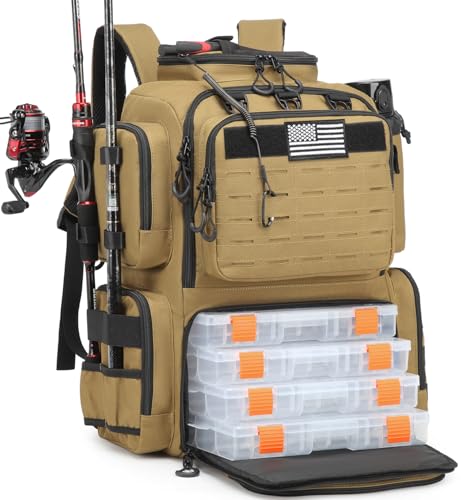
| Backpack Tackle Box | Hiking to remote spots, kayak fishing | Very good — hands-free carry | Large — multiple trays + gear loops | Premium |
When choosing between these styles, consider how you fish. If you frequently move along a shoreline, a soft-sided bag or backpack is ideal. If you fish from a boat with a dedicated spot for gear, a hard multi-tray box gives you quick access to everything. For fly fishing, a vest or chest pack keeps essentials within reach without bulk. And for those who want the ultimate in organization, a modular rack system lets you build a custom setup that grows with your collection.
Before you head out, make sure you understand local rules — check our guide to fishing regulations to stay compliant and protect your favorite spots.
Materials & Durability: What to Look For
The material of your tackle box affects weight, weather resistance, and longevity. Here's how the most common options compare:
- Polypropylene (PP): Lightweight, impact-resistant, and affordable. Common in entry-level and mid-range boxes. Can become brittle in extreme cold.
- ABS Plastic: Stronger and more rigid than PP. Resists cracking and handles temperature swings well. Often found in premium hard boxes.
- 600D Polyester / Nylon: Used in soft-sided bags. Durable, water-resistant, and lightweight. Look for reinforced stitching and water-repellent coatings.
- EVA Foam: Used in fly boxes and some modular systems. Waterproof, buoyant, and protects delicate flies. Not ideal for heavy hardware.
- Aluminum: Lightweight and rust-resistant when coated. Often used in high-end fly boxes and specialty storage. Can dent if dropped.
💡 Pro Tip: Rust Prevention
No matter which material you choose, moisture is the enemy of fishing tackle. Add a few silica gel packets to your box, dry your lures before storing, and avoid leaving your box in direct sun for long periods. A small investment in rust prevention saves you from replacing hooks and split rings prematurely.
Size & Capacity: How Much Space Do You Need?
Overpacking is a common mistake. A box that's too large becomes heavy and cumbersome; one that's too small forces you to leave essentials behind. Use these guidelines to find the sweet spot:
| Fishing Style | Recommended Capacity | Key Features |
|---|---|---|
| Panfish / Crappie | Small — 1 tray, 10–15 compartments | Compact, lightweight, simple latches |
| Bass / Freshwater General | Medium — 2–4 trays, 30–60 compartments | Adjustable dividers, secure latches, carry handle |
| Saltwater / Surf | Large — 4+ trays, corrosion-resistant | Rust-proof hardware, water-resistant seals, heavy-duty hinges |
| Fly Fishing | Specialized — fly-specific compartments | Silicone inserts, waterproof closure, slim profile |
| Multi-Species / Tournament | Extra Large — modular or backpack style | Customizable layout, multiple access points, gear attachment points |
If you're unsure, start with a mid-range multi-tray box. It offers enough room to grow your collection without becoming a burden to carry. As you refine your fishing style, you can add specialized boxes for different techniques or species.
Organization Systems: Dividers, Trays, and Beyond
A tackle box is only as good as its organization. Here's how to make the most of your storage:
Adjustable Dividers
Most hard boxes come with removable dividers. Configure them to match your lure sizes — larger compartments for crankbaits and spinnerbaits, smaller ones for hooks, weights, and swivels. Group by type or color to find what you need fast.
Vertical vs. Horizontal Storage
Vertical storage (like in many soft bags) lets you flip through packs like files. Horizontal trays stack flat and are easier to scan at a glance. Choose based on how you like to browse your gear.
Labeling & Color Coding
Use small labels or colored tape to mark compartments. For example, red for topwater, blue for crankbaits, green for soft plastics. This saves precious seconds when fish are biting.
🎣 Quick Access Tip
Keep a small "grab-and-go" tray with your most-used lures — a few hooks, weights, and a favorite crankbait. When you're on the water and conditions change, you won't have to dig through your entire box.
While you're organizing your tackle, don't forget other essentials. A reliable camping knife is invaluable for cutting line, trimming knots, and preparing bait.
Features That Matter: Latches, Handles, and Weather Seals
Small details make a big difference over time. When evaluating a tackle box, pay attention to:
- Latches: Look for secure, easy-to-open latches. Metal latches last longer but can rust; high-quality plastic latches are lighter and corrosion-resistant.
- Handles: Padded or over-molded handles reduce fatigue. For larger boxes, consider a shoulder strap or backpack conversion.
- Weather Seals: If you fish in rain or splash-prone environments, a gasket-sealed box keeps water out. This is critical for saltwater and fly fishing.
- Transparency: Clear or tinted lids let you see contents without opening. Smoke-tinted lids offer UV protection for sensitive lures.
- Feet / Base: Rubberized feet prevent sliding on boat decks and docks. Some boxes have interlocking bases for stacking.
For anglers who camp and fish, consider how your tackle box integrates with your other gear. If you're planning a camping checklist, make sure your tackle storage fits comfortably in your vehicle or pack.
Maintenance & Longevity: Keep Your Tackle Box Ready
A tackle box is an investment. With proper care, a quality box can last a decade or more. Follow these maintenance habits:
- Rinse your box with fresh water after saltwater use — salt corrodes hinges, latches, and hooks.
- Dry thoroughly before closing. Leave latches open overnight if possible.
- Inspect dividers and trays for cracks. Replace damaged parts before they fail on the water.
- Store in a cool, dry place. Avoid extreme heat, which can warp plastic and degrade soft materials.
- Keep a small repair kit with zip ties, a multitool, and spare latches in your box.
Frequently Asked Questions
What size tackle box should I get for bass fishing?
For bass fishing, a mid-range multi-tray box with 3–4 trays and adjustable dividers works well. You'll need space for crankbaits, spinnerbaits, soft plastics, and terminal tackle. If you fish from a boat, a larger hard box or modular system gives you room to expand. For bank fishing, a soft-sided bag or backpack is more comfortable to carry.
How do I prevent rust in my tackle box?
Rust prevention starts with drying your lures and hooks before storing them. Add silica gel packets to absorb moisture, and consider using rust-inhibiting spray on metal components. For saltwater fishing, rinse everything with fresh water after each trip. Avoid storing wet gear in a sealed box — let it air dry first.
Are soft-sided tackle bags as good as hard boxes?
It depends on your needs. Soft-sided bags are lighter, more comfortable to carry long distances, and often have more pockets for tools and accessories. Hard boxes offer better protection for delicate lures and are easier to clean. Many anglers use both: a hard box for boat storage and a soft bag for hiking or bank fishing.
How should I organize my tackle box for quick access?
Group lures by type and color, and place your most-used items in the top tray or most accessible compartment. Use dividers to create dedicated slots for each lure style. Label compartments if you have trouble remembering where things go. A small "quick access" tray for your go-to lures can save time when conditions change.
Can I use a tackle box for fly fishing?
Yes, but fly anglers typically prefer specialized fly boxes with silicone or foam inserts to hold hooks securely. Many fly fishers use a chest pack or vest with multiple fly boxes rather than a traditional tackle box. However, a small soft-sided tackle bag can work for carrying fly boxes, tippet, and tools.
Final Thoughts: Choose the Box That Fits Your Fishing
The perfect tackle box is the one that matches your fishing style, keeps your gear organized, and stands up to the conditions you fish in. Start with a size and type that fits your most common trips, then expand or specialize as your collection grows. Remember: organization isn't just about neatness — it's about spending more time fishing and less time untangling.
Whether you're casting from a kayak, wading a river, or relaxing on a dock, a well-chosen tackle box is one of the most valuable pieces of gear you own. Invest wisely, maintain it well, and it will serve you for many seasons on the water.
For more outdoor gear guidance, explore our camping gear section and find the essentials for your next adventure.