Fishing Regulations: Your Complete Guide to Legal & Responsible Angling
Understanding fishing regulations is the first step to a successful and ethical trip. This guide breaks down the essentials—licenses, limits, seasons, and gear rules—so you can fish with confidence.
Start LearningThe Angler's Responsibility: Fishing regulations are not just legal requirements; they are vital tools for conservation. They ensure fish populations remain healthy for future generations. Always check the specific rules for your intended fishing spot, as they can vary significantly between states, counties, and even individual bodies of water. This guide provides a general framework, but your local wildlife agency is the ultimate authority.
The Non-Negotiables: Licenses and Permits
Before you even think about casting a line, you need to understand the licensing system. In most jurisdictions, a valid fishing license is required for anyone over a certain age (often 16). This license is your legal permission to fish and directly funds conservation efforts. You can typically purchase one online through your state's wildlife agency, at a local tackle shop, or at some sporting goods stores. Keep your license on your person at all times while fishing.
Beyond the basic license, some areas require special stamps or permits. For example, a separate permit is often needed for ice fishing or for catching specific species like salmon or trout. Always verify the specific requirements for the species you're targeting and the water body you plan to visit. This is similar to how national park rules or state park rules can add layers of regulation to your camping trip.
Catch Limits & Size Restrictions: The Heart of Conservation
Catch limits are the most direct way regulations protect fish populations. They are typically divided into two categories: bag limits (the total number of fish you can keep in a day) and possession limits (the total number you can have in your possession at any one time, including at home). These limits are species-specific and can vary dramatically from one region to another.
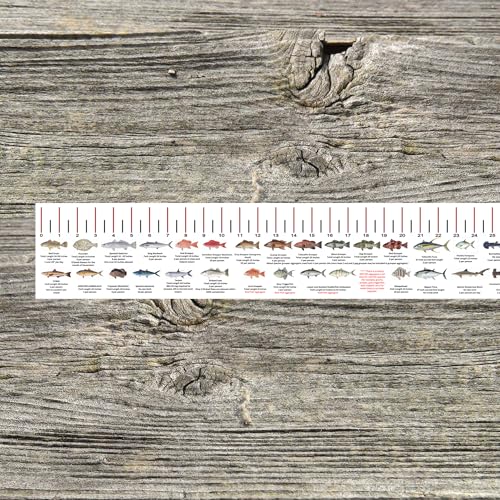
Size restrictions are equally important. A minimum size limit ensures that fish have a chance to spawn at least once before being harvested. A maximum size limit (less common but crucial) protects the largest, most genetically valuable breeding fish. Some regulations also include a "slot limit," where you can only keep fish within a certain size range, releasing both the smaller and larger ones. Always carry a measuring device and know the rules for your target species.
Seasons, Gear, and Bait Rules
Fishing seasons are designed to protect fish during their spawning periods. These seasons can be "open" (you can fish for a species), "closed" (you cannot target that species at all), or "catch-and-release only." It's vital to know the calendar for your local waters, as a trip during a closed season can result in significant fines. This planning is as important as checking for a fire ban before a camping trip.
Gear and bait regulations are often overlooked by beginners. Rules may restrict you to artificial lures only, ban the use of barbed hooks, or prohibit certain types of natural bait in specific waters to prevent the introduction of invasive species. For example, some trophy trout streams are fly-fishing only. Always check for these tackle restrictions. A well-organized fishing tackle box is great, but make sure the gear inside is compliant with local laws.
Your Go-To Sources for Accurate Information
The single most reliable source for fishing regulations is the official website or printed handbook of your state's or province's fish and wildlife agency. These resources are updated annually and provide detailed, water-specific information. Most agencies also have mobile apps that allow you to download the rulebook for offline access, which is perfect for remote areas. Remember, ignorance of the law is not a valid excuse.
When planning a trip, it's wise to check for any specific alerts or emergency orders that might temporarily change the rules. These could be due to drought, disease, or other environmental factors. Just as you would check for camping weather alerts before a trip, checking for fishing regulation updates is a crucial pre-trip step.
Frequently Asked Questions
Do I need a license to fish in my own backyard pond?
In most cases, yes, if the pond is connected to a public waterway or if it falls under state jurisdiction. Regulations vary, so it's always best to check with your local wildlife agency. Private, completely isolated ponds may have different rules.
What happens if I accidentally catch a fish out of season?
The ethical and legal practice is to handle the fish with wet hands as gently as possible and release it immediately back into the water. Do not pose for a photo if it prolongs the fish's time out of water. If a game warden sees you targeting a closed-season species, you can still be cited, even if you release it.
Are regulations the same for saltwater and freshwater fishing?
No, they are completely different. Saltwater fishing is typically managed by a different agency (like NOAA in the US) and has its own set of licenses, seasons, and limits. Always ensure you have the correct permit for the type of water you are fishing.
Fish Responsibly, Fish Legally
Mastering fishing regulations is a mark of a responsible and knowledgeable angler. It shows respect for the resource, the law, and fellow anglers. By taking the time to understand the rules, you contribute to the long-term health of our fisheries and ensure that the joy of fishing can be passed down for generations. Before your next trip, spend a few minutes on your local agency's website. It's the most important piece of gear you'll ever use.