Fishing Gear for Beginners: Your Complete Starter Guide
Everything you need to know about selecting the right rod, reel, tackle, and accessories to start your fishing journey with confidence.
🎣 Why This Guide Matters: Fishing is one of the most rewarding outdoor activities, but choosing the right gear can be overwhelming for beginners. This guide simplifies the process, helping you understand what equipment you actually need, how to choose quality gear that fits your budget, and where to find the best deals.
1. Understanding Your Fishing Needs
Before buying any gear, consider where and how you plan to fish. Different environments demand different equipment. For example, fishing from a kayak requires compact, lightweight rods, while deep-sea fishing demands heavy-duty rods and reels capable of handling large saltwater fish. If you're fishing from the shore or a pier, a versatile medium-action rod is often the best starting point.
Think about the species you want to target. For panfish like crappie or bluegill, light tackle is ideal. For larger freshwater fish like northern pike or bass, you'll need stronger gear. This guide focuses on versatile, beginner-friendly setups that work well in most common scenarios.
2. The Essential Fishing Gear for Beginners
Starting with the right core equipment makes all the difference. Here's what every beginner should have in their tackle box:
🎣 Rod & Reel Combo
A pre-spooled spinning combo is the most beginner-friendly option. Look for a 6'6" to 7' medium-power rod with a size 2500–4000 reel. This setup handles everything from panfish to bass and is easy to cast and control.
🧵 Fishing Line
Start with monofilament line in 8–12 lb test. It's affordable, forgiving, and works well in most freshwater situations. As you gain experience, you can explore fluorocarbon or braided lines for specific techniques.
🎯 Tackle Box & Hooks
A small tackle box with an assortment of hooks (sizes 6, 4, and 2/0), split shot sinkers, and swivels is essential. Don't forget a few bobbers to help detect bites when fishing with live bait.
🐟 Lures & Soft Baits
A selection of soft plastic worms, grubs, and a few spinning baits or crankbaits will cover most situations. For saltwater, consider adding fishing lure making supplies to customize your own lures later.
If you're looking to build a complete starter kit, consider checking out fishing rod building kits to assemble a rod that fits your exact preferences. For those interested in a more specialized approach, fly fishing fly kits are an excellent way to learn the art of fly fishing without breaking the bank.
3. How to Choose the Right Rod and Reel
Selecting the correct rod and reel is the most important decision for a beginner. Here are the key factors to consider:
🔹 Rod Power & Action
Power refers to the rod's lifting strength. For beginners, medium or medium-light power is ideal. Action describes how much the rod bends. Fast action is sensitive for detecting bites, while moderate action is more forgiving when fighting fish.
🔹 Reel Types
Spinning reels are the most popular for beginners because they're easy to cast and minimize tangles. Baitcasting reels offer more control but have a steeper learning curve. Stick with a spinning reel to start.
🔹 Gear Ratio
Gear ratio determines how fast you retrieve line. A ratio of 5.2:1 to 6.2:1 is versatile enough for most fishing techniques. Higher ratios are better for fast-moving lures, while lower ratios provide more power.
🔹 Budget Considerations
You can get a quality rod and reel combo for $50–$120. For a premium experience, fishing rods for salmon or heavy-duty fishing poles are available for around $150–$300. Remember, the best gear is the one that matches your fishing style.
For those planning to fish in saltwater, consider saltwater fly fishing rods or specialized saltwater spinning rods that resist corrosion. If you're targeting northern pike, check out northern pike fishing lures to complement your rod setup.
4. Terminal Tackle & Accessories
Beyond the rod and reel, terminal tackle connects you to the fish. Here's what you need:
- Hooks: Start with a variety of sizes (6, 4, 2/0) in both bait-holder and circle styles.
- Sinkers: Split shot, egg sinkers, and bullet weights in ⅛ to ½ oz sizes.
- Swivels & Snaps: Barrel swivels prevent line twist; snap swivels allow quick lure changes.
- Floats/Bobbers: Essential for live bait fishing, especially for panfish.
If you're interested in customizing your own lures, 3D printing fishing lures is a growing trend that allows you to create unique designs. For those who prefer a more traditional approach, fishing lures for crappie are readily available in most tackle shops.
5. Safety & Practical Fishing Tips
🔹 Wear a Life Jacket
If you're fishing from a boat, kayak, or any watercraft, always wear a properly fitting life jacket. It's the single most important safety measure.
🔹 Check Local Regulations
Before heading out, verify fishing licenses, size limits, and seasonal restrictions. Many states offer free fishing days that are perfect for beginners.
🔹 Practice Casting
Practice casting in an open field or backyard before hitting the water. This builds muscle memory and helps prevent frustrating tangles.
🔹 Use the Right Knot
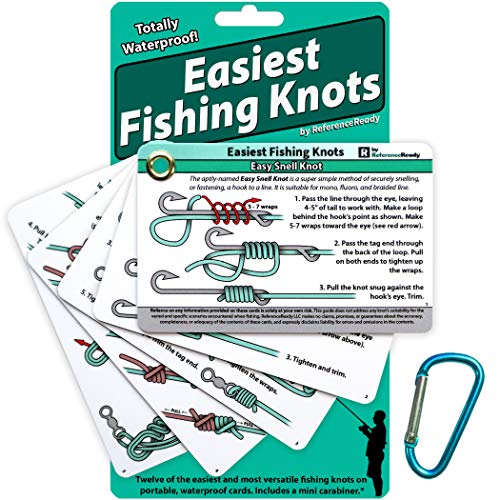
Learn the improved clinch knot and the Palomar knot — they're strong, reliable, and easy to tie. Master these two and you'll be set for most situations.
If you're fishing in a kayak, check out 2-person fishing kayaks that offer stability and space for gear. For beach fishing, a fishing cart for the beach can make transporting your gear much easier.
6. Where to Find Quality Fishing Gear
Finding reliable gear at a fair price is key to getting started. Local tackle shops offer expert advice and a chance to see products in person. Online retailers often have wider selection and better prices. Look for trusted brands like Shimano, Daiwa, Penn, and Ugly Stik for quality entry-level gear.
For those interested in building a custom rod, fishing rod building supplies are available from specialty retailers. Also, consider hunting and fishing equipment stores that often carry comprehensive gear for both activities.
Ready to Start Fishing?
Explore our curated selection of beginner-friendly fishing gear below. Each product has been selected for its quality, value, and performance.
Shop Beginner Fishing Gear →7. FAQ About Beginner Fishing Gear
What is the best rod and reel for a beginner?
A 6'6" to 7' medium-power spinning combo with a size 2500–4000 reel is the most versatile and beginner-friendly choice.
How much should I spend on my first fishing setup?
A good quality beginner setup (rod, reel, line, and basic tackle) typically costs between $80–$150. This provides reliable equipment that will last for years.
Do I need a fishing license?
Yes, in most locations. Check your local regulations — many states offer free or discounted licenses for beginners or youth.