Northern Pike Fishing Lures: The Complete Buyer's Guide
Everything you need to know about selecting, rigging, and fishing lures for aggressive northern pike. Learn from experts and land your next trophy.
EXPLORE LURE TYPESWhy Northern Pike Are Unique: Northern pike are apex predators with razor-sharp teeth, explosive strikes, and a preference for large meals. Unlike many freshwater species, pike are not line-shy and will aggressively attack lures that mimic injured baitfish. This makes them an ideal target for anglers who want heart-stopping topwater action and the chance to land a true trophy fish. However, their aggressive nature also means you need the right lures and terminal tackle to handle their power and avoid bite-offs.
Understanding Northern Pike Behavior
Northern pike are ambush predators that rely on stealth and explosive speed rather than endurance. They inhabit weedy bays, rocky points, and drop-offs in lakes and rivers across North America, Europe, and Asia. Understanding their seasonal patterns is critical to choosing the right lure. In spring, pike move into shallow, warmer water to spawn and feed aggressively. Summer pushes them deeper to cooler water, though they still ambush prey in weed edges. Fall triggers a feeding frenzy as they bulk up for winter, and winter ice fishing requires slow, finesse presentations.
Pike have a varied diet that includes perch, cisco, suckers, and even smaller pike. Their eyes are positioned high on their head, giving them excellent upward vision, which is why lures that run slightly above their holding depth often trigger strikes. When you're planning a fishing trip, it's worth checking local regulations and camping options near your target water. If you're traveling to fish, you might also want to explore top destinations for outdoor adventures that combine camping and angling opportunities.
Best Lure Types for Northern Pike
Spoons
Spoons are the classic pike lure. Their wobbling, flashing action mimics an injured baitfish and triggers aggressive strikes. Casting spoons work well in open water, while weedless spoons shine in heavy cover.
Best for: All seasons, especially fall and spring. Use in open water and along weed edges.
Tier: Entry-level to premium models available. Mid-range spoons offer the best balance of durability and action.
Spinnerbaits
Spinnerbaits feature a safety-pin wire with a spinning blade and a skirted jig. The flashing blade and pulsating skirt drive pike crazy. They are excellent for covering water and avoiding snags in vegetation.
Best for: Summer and fall in weedy lakes. Great for murky water where vibration matters.
Tier: Mid-range to premium. Look for models with quality blades and strong hooks.
Soft Plastic Swimbaits
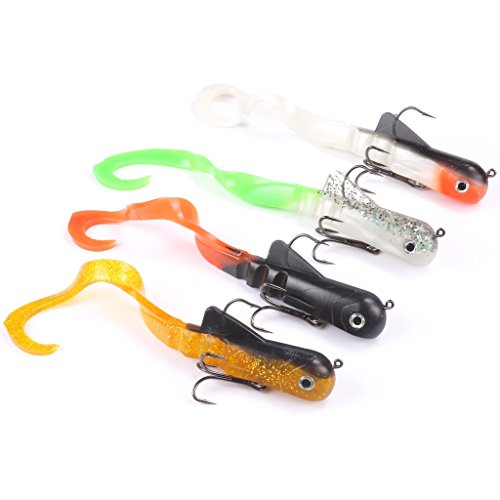
Large soft plastic swimbaits and jerkbaits mimic real baitfish with lifelike swimming action. They are incredibly effective when pike are pressured or feeding on specific forage like perch or cisco.
Best for: Clear water and pressured fish. Rig them weedless for fishing in cover.
Tier: Budget-friendly to high-end. Premium versions feature realistic paint jobs and durable plastic.
Jerkbaits
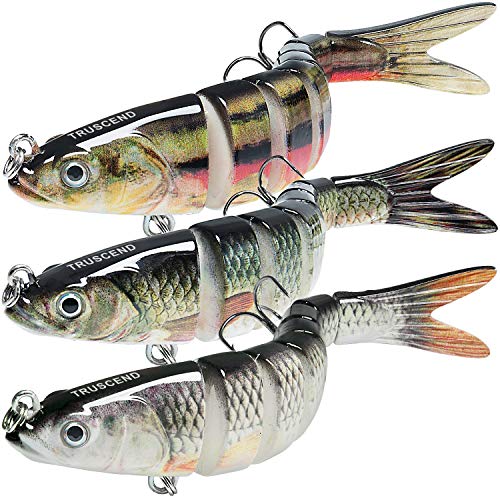
Jerkbaits are hard plastic minnow imitations that dart and suspend on the pause. The erratic action is deadly for pike, especially in cold water when their metabolism slows and they want an easy meal.
Best for: Spring and fall, or any time water temps drop. Fish them with a jerk-pause-retrieve cadence.
Tier: Mid-tier to top-tier. Premium jerkbaits have superior hooks and finishes.
Topwater Lures
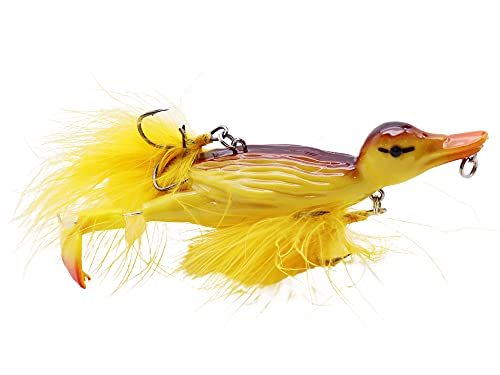
Nothing beats the surface explosion when a pike smashes a topwater lure. Prop baits, poppers, and walk-the-dog style lures create commotion that draws pike from a distance.
Best for: Early morning and evening in summer. Fish over weed beds and shallow flats.
Tier: Affordable to premium. Look for models with strong split rings and sharp trebles.
Crankbaits
Deep-diving crankbaits are perfect for summer pike holding in cooler, deeper water. Their tight wobble and rattling sound attract fish from a distance.
Best for: Summer and early fall. Use deep divers along drop-offs and points.
Tier: Budget-friendly to mid-range. Choose models with long casting bills and durable finishes.
Lure Selection by Season & Condition
| Season | Water Temp | Best Lures | Retrieve Style | Key Locations |
|---|---|---|---|---|
| Spring | Cold to cool | Spoons, jerkbaits, soft plastics | Slow, erratic, pause-heavy | Shallow bays, spawning areas |
| Early Summer | Warming | Spinnerbaits, topwater, crankbaits | Moderate to fast | Weed edges, flats, points |
| Mid-Summer | Warm | Deep crankbaits, large soft plastics | Slow to moderate, deep | Drop-offs, deep weed lines |
| Fall | Cooling | Spoons, jerkbaits, spinnerbaits | Fast and aggressive | Shallows, weed beds, rock piles |
| Winter (Ice) | Cold | Small spoons, jigging raps, live bait | Slow, subtle jigging | Deep flats, drop-offs |
💡 Pro Tip: The Follow-Up Lure
Pike often follow a lure without striking, especially in clear water. Always have a follow-up lure ready—a soft plastic jerkbait or a smaller spoon. When a pike follows to the boat, stop your retrieve and let the lure flutter down. The sudden change often triggers a reaction strike. This technique, called "figure-eighting" or "follow-up casting," is a staple among serious pike anglers.
Essential Terminal Tackle for Pike Fishing
Because northern pike have razor-sharp teeth, standard monofilament and braided lines are no match for them. A wire or heavy fluorocarbon leader is mandatory. Most experienced pike anglers use a 12 to 18 inch leader of 30 to 50 lb test wire or 60 to 80 lb fluorocarbon. This prevents bite-offs while still allowing lure action.
When choosing rods and reels, a medium-heavy to heavy power rod with a fast action is ideal for handling big pike and casting large lures. A quality baitcasting or spinning reel with a smooth drag is essential. If you're new to predator fishing, check out our guide to fishing gear for beginners to build a solid foundation before targeting pike. For those who also enjoy kayak fishing, a two-person fishing kayak can open up remote pike waters that are inaccessible from shore.
Fishing Techniques That Trigger Pike Strikes
Cast and Retrieve: The most common technique. Cast your lure toward cover, let it sink to the desired depth, and retrieve with a steady or erratic action. Vary your speed until you find what triggers strikes.
Jigging: Vertical jigging with spoons or soft plastics works well in deep water or through ice. Lift and drop the lure near the bottom, keeping it in the strike zone.
Trolling: Trolling large crankbaits or spoons along weed edges and drop-offs covers water efficiently and can locate active fish. Once you find them, switch to casting.
Topwater: In low-light conditions, topwater lures create explosive strikes. Use a steady walk-the-dog retrieve or a pop-and-pause cadence.
Pike fishing often takes you to remote lakes and rivers where camping is part of the adventure. If you plan to combine fishing with an overnight trip, our healthy camping meal ideas can keep you fueled. And for those who prefer a comfortable base camp, camping with cabins offers a great option in many pike-rich regions.
Ready to Land Your Next Trophy Pike?
Browse our hand-picked selection of northern pike lures below. These are the top-rated options trusted by predator anglers.
SHOP PIKE LURESFrequently Asked Questions About Northern Pike Lures
The best lure depends on conditions. Spoons, spinnerbaits, and large soft plastics are top choices. In cold water, slow-moving spoons and jerkbaits excel. In warm water, fast-moving spinnerbaits and topwater lures trigger aggressive strikes. Always match your lure to the forage and water clarity.
Pike are ambush predators that prefer large meals. Lures in the 4 to 8 inch range are ideal for most situations. For trophy pike, use lures 8 to 12 inches long. Smaller lures work for pressured or finicky fish, but generally, bigger is better for pike.
Yes, crankbaits are highly effective for pike. Deep-diving crankbaits work well in summer when pike hold in deeper water. Shallow-running crankbaits excel in spring and fall when pike move into shallows to feed. Choose rattling models for murky water.
Pike are attracted to bright, contrasting colors. Fire tiger, perch, and silver/blue patterns are proven winners. In murky water, use chartreuse, orange, or gold. In clear water, natural patterns like perch or cisco work best. Always carry a variety of colors to match conditions.
Always use a wire or heavy fluorocarbon leader when targeting pike. Their razor-sharp teeth will slice through standard monofilament and braided lines. A 12 to 18 inch leader of 30 to 50 lb test is recommended. Check your leader for fraying after every fish and replace it if damaged.
Final Thoughts on Northern Pike Fishing Lures
Choosing the right lures for northern pike is about understanding their behavior, matching the forage, and adapting to seasonal patterns. Start with a core selection of spoons, spinnerbaits, and soft plastics, then expand your box as you learn what works in your local waters. Always use a quality leader, fish with confidence, and be ready for the violent strike that makes pike fishing so addictive.
Whether you're fishing from shore, a boat, or through the ice, the thrill of fooling a northern pike never gets old. If you're looking to expand your outdoor adventures beyond fishing, explore our guides on hunting and fishing equipment and discover new ways to enjoy the wild. And when you're ready to plan your next trip, our guide to good places to camp can help you find the perfect base camp near prime pike waters.