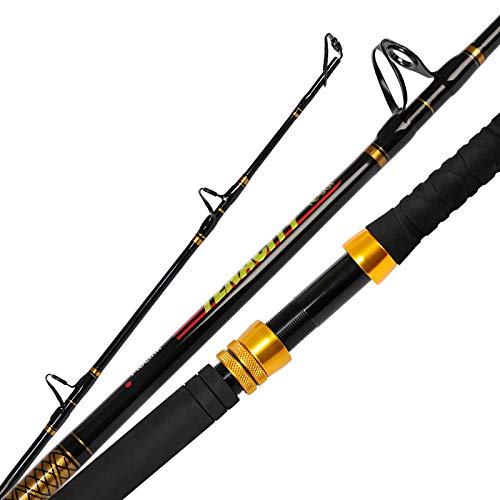
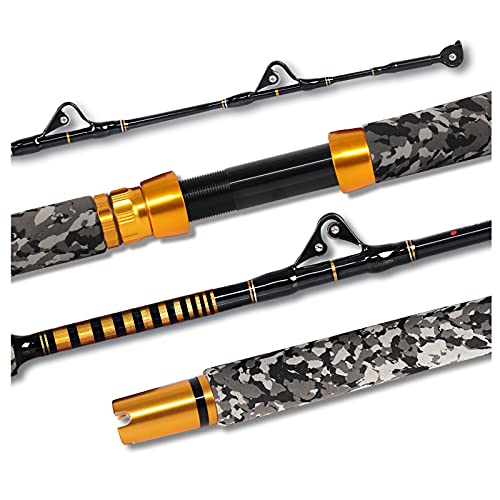
Heavy Duty Fishing Pole: The Complete Buying Guide
Conquer saltwater giants, monster muskies, and deep-water trophies. Learn how to choose a rod with the power, length, and action to handle your biggest catch.
Shop Top-Rated RodsWhether you're battling a 200-pound tarpon, fighting a giant sturgeon, or casting for trophy pike, your rod is the most critical piece of gear. A heavy duty fishing pole isn't just about strength — it's about the right combination of power, sensitivity, and durability to withstand extreme conditions. This guide breaks down everything you need to know, from rod power and action to materials and reel compatibility, so you can make a confident purchase.
What Makes a Fishing Pole “Heavy Duty”?
💪 Power & Backbone
Heavy, extra-heavy, or even “monster” power ratings (MH, H, XH) give you the lifting strength to pull big fish from structure and deep water.
🎣 Length & Leverage
Longer rods (7’6” to 10’+) provide increased casting distance and better leverage when fighting large, powerful fish.
🧱 Durable Materials
High-modulus graphite, fiberglass composite, or solid fiberglass blanks offer the perfect balance of sensitivity and raw power.
🔗 Heavy-Duty Components
Stainless steel guides, ceramic inserts, and corrosion-resistant reel seats are essential for saltwater and extreme conditions.
How to Choose the Right Heavy Duty Fishing Pole
1. Determine Your Target Species
The first step is knowing what you're fishing for. For saltwater giants like tuna, marlin, or grouper, you'll need an extra-heavy (XH) or even “stand-up” rod with a stiff backbone. For freshwater monsters like musky, pike, or large catfish, a heavy (H) or medium-heavy (MH) rod with a fast action tip is often ideal. If you're targeting sturgeon or big lake trout, look for a rod with a moderate action to absorb powerful runs.
2. Understand Power and Action
Power refers to the rod's resistance to bending — choose heavy or extra-heavy for big fish. Action describes where the rod bends: fast action bends near the tip for quick hooksets, while moderate or slow action bends deeper for better shock absorption and casting heavy baits. For most heavy-duty applications, a fast or moderate-fast action with heavy power is the sweet spot.
3. Material Matters
Graphite rods are lightweight and sensitive but can be brittle. For pure heavy-duty work, fiberglass or composite rods are more forgiving and virtually unbreakable. Many top-tier heavy rods use a graphite-fiberglass blend to combine sensitivity with brute strength. For saltwater, look for rods with corrosion-resistant guides and anodized aluminum reel seats.
4. Length and Lure Weight
Longer rods (8–10 feet) give you more casting distance and better leverage during the fight. Shorter heavy rods (6’6”–7’6”) offer more control when fishing from a boat or in tight cover. Always check the rod's lure weight rating — it should match the weight of the lures or baits you plan to use. For heavy-duty fishing, you'll often see ratings like 1–6 oz or 2–8 oz.
Comparison of Top Heavy Duty Fishing Rods
| Model | Power / Action | Length | Material | Best For | Price |
|---|---|---|---|---|---|
| Shakespeare Tiger | Heavy / Fast | 7'0" | Fiberglass | Saltwater, big catfish | $49 |
| Ugly Stik Bigwater | Heavy / Moderate | 8'0" | Graphite/Fiberglass | Surf fishing, stripers | $79 |
| St. Croix Mojo Musky | Extra Heavy / Fast | 8'6" | Graphite | Musky, pike | $230 |
| Penn Battalion | Heavy / Moderate-Fast | 7'6" | Graphite Composite | Offshore, big game | $149 |
| Daiwa Beef Stick | Extra Heavy / Slow | 9'0" | Fiberglass | Sturgeon, giant catfish | $99 |
Pro Tips for Buying & Maintaining Your Heavy Rod
✅ Match Your Reel
Pair your heavy rod with a reel that has a strong drag system (at least 20–30 lbs of drag) and a high gear ratio for power. Consider a deep sea fishing gear setup for offshore trips.
🧼 Rinse After Saltwater
Saltwater is corrosive. Always rinse your rod with fresh water and wipe it dry after each use. Check guides and reel seat for rust.
🎯 Line Selection
Use braided line (50–80 lb test) for maximum strength and sensitivity. Monofilament is more forgiving for novice anglers.
📦 Storage
Store your rod in a vertical rack or a padded rod case to prevent warping. Avoid leaning it against walls for long periods.
Ready to Land Your Trophy?
Browse our hand-picked selection of the best heavy duty fishing poles. Each rod is tested for durability, power, and value. Click below to see today's top deals.
See the Best Heavy Duty RodsFrequently Asked Questions
What is the best heavy duty fishing rod for saltwater?
Look for rods with corrosion-resistant guides and a powerful backbone. The Penn Battalion and Ugly Stik Bigwater are excellent choices. For serious offshore work, check out deep sea fishing gear.
Can I use a heavy rod for freshwater fishing?
Absolutely. Heavy rods are ideal for targeting large freshwater species like musky, pike, and big catfish. They also work well for fishing rod for salmon in large rivers.
What's the difference between heavy and extra-heavy power?
Heavy power is for fish up to 50 lbs, while extra-heavy is for true giants over 100 lbs. Extra-heavy rods have a stiffer backbone and can handle heavier lures and line.
How do I maintain my heavy duty fishing pole?
Rinse with fresh water after saltwater use, check guides for cracks, and store in a dry, cool place. Regular maintenance will keep your rod performing for years. See more fishing gear for beginners tips.
Related Guides: If you're planning a multi-species trip, you might also want to explore fishing rod building supplies to customize your own rod, or fishing rod building kits for a DIY project. For kayak anglers, a fishing kayak 2 person can be the perfect platform for your heavy rod. And don't forget to pack the right fishing lure making supplies to match your rod's power.