Hiking is one of the most accessible and rewarding outdoor activities, but the difference between a miserable slog and an unforgettable adventure often comes down to preparation. Whether you're planning a casual day walk or a multi-day trek, understanding the essentials of hiking ensures you stay safe, comfortable, and ready to enjoy the journey.
This guide walks you through every category of hiking gear and knowledge you need — from choosing the right footwear to packing a smart what to bring on a hiking trip checklist. No prices, no fluff — just practical, timeless advice that will serve you for years.
1. Footwear: The Foundation of Every Hike
Your feet carry you every step of the way, so footwear is the single most important investment. The right choice depends on terrain, load, and distance.
- Trail runners – lightweight and breathable, ideal for well-maintained trails and day hikes. entry-level to mid-range options are plentiful.
- Hiking shoes – low-cut with stiffer soles, offering a balance of support and agility. Great for mixed terrain.
- Hiking boots – high-cut and supportive, best for rocky paths, heavy packs, or multi-day trips. Look for durable walking boots with waterproof membranes.
Fit is critical: your toes should not jam against the front when walking downhill, and your heel should stay locked in place. Always break in new footwear before a long hike. For winter conditions, consider winter boots for camping that offer insulation and traction.
2. Clothing: Layering for Comfort and Safety
Weather can change quickly in the mountains. A layering system lets you adapt without carrying bulky gear.
- Base layer – moisture-wicking fabric (merino wool or synthetic) to keep sweat off your skin. Avoid cotton, which stays wet and chills you.
- Mid layer – fleece or lightweight down for insulation. Adjust based on temperature.
- Outer layer – a waterproof, windproof shell to protect against rain and wind.
For cold-weather hikes, extend this system with layering clothing for winter principles. Always pack a spare pair of socks and a warm hat, even on summer hikes.
3. Backpack: Carry Smart, Not Heavy
Your backpack should match the length of your hike. Daypacks (20–30L) work for short trips; larger packs (40–60L) suit overnight adventures.
Key features to look for:
- Padded shoulder straps and hip belt to transfer weight to your hips.
- Ventilation back panel to reduce sweating.
- Multiple compartments and a rain cover.
If you're planning to combine hiking with camping, a hiking backpack with tent and sleeping bag can streamline your setup. For extreme weight savings, explore ultralight tents and minimalist gear.
4. Navigation: Never Rely on a Single Tool
Getting lost is one of the most common hiking emergencies. Carry at least two navigation methods:
- Map and compass – the classic, battery-free option. Learn basic orienteering before you go.
- Smartphone with offline maps – apps like camping navigation apps can cache maps, but batteries die. A power bank is essential.
- Handheld GPS – dedicated devices like best handheld GPS units offer reliability in remote areas.
For winter hikes, navigation becomes even more critical — see winter navigation tips for dealing with snow-covered trails.
5. Water and Nutrition: Fuel for the Trail
Dehydration and low blood sugar are silent performance killers. Plan for at least 0.5 liters of water per hour of moderate hiking, more in heat.
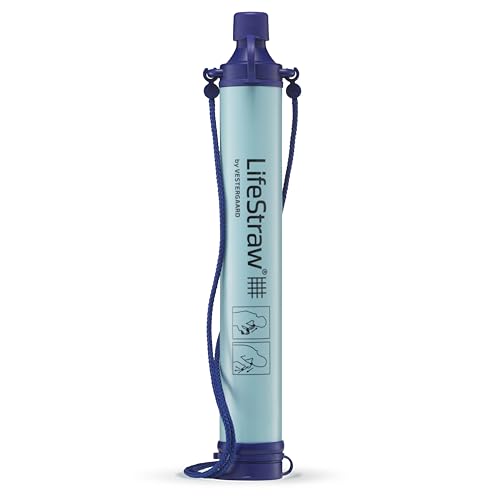
- Water purification – tablets, filters, or UV pens let you refill from natural sources. Read about water filters technology or water filters tech to choose a system.
- Snacks – trail mix, energy bars, dried fruit, and nuts are lightweight and calorie-dense. For longer trips, freeze-dried meals for camping provide hot, satisfying nutrition.
Avoid alcohol and caffeine in excess, as they can accelerate dehydration.
6. Safety and Emergency Gear: Prepare for the Unexpected
Even a short hike can turn if you twist an ankle or the weather shifts. Your pack should always include:
- First aid kit – including blister care, bandages, and any personal medications. Learn about first aid for camping and common camping injuries.
- Emergency shelter – a lightweight bivy or space blanket.
- Headlamp – with spare batteries, in case you're out longer than planned.
- Multi-tool or knife – for repairs and food prep.
- Whistle – to signal for help. Learn emergency SOS signals.
- Fire starter – waterproof matches or a lighter.
In bear country, carry bear spray and know bear spray vs gun considerations. Always practice wildlife safety and Leave No Trace principles.
7. Hiking Gear Checklist: What to Pack
Use this table as a quick reference for day hikes. Adjust based on season, terrain, and duration.
| Category | Essential Items | Optional / Seasonal |
|---|---|---|
| Footwear | Hiking shoes or boots, moisture-wicking socks | Gaiters, camp sandals |
| Clothing | Base layer, insulation layer, rain shell, hat, gloves | Buff, extra socks, insulating pants |
| Backpack | Daypack with hip belt, rain cover | Packable summit bag |
| Navigation | Map, compass, charged phone with offline maps | GPS device, digital compass |
| Water & Food | Water bottles/bladder, purification method, high-energy snacks | Stove for hot drinks, winter hot drinks |
| Safety | First aid kit, headlamp, whistle, multi-tool, emergency blanket | Satellite communicator, emergency beacon (PLB) |
| Sun Protection | Sunscreen, sunglasses, lip balm, wide-brim hat | Sun gloves, UV buff |
8. Hiking with Dogs and Kids
Hiking with companions adds joy but also responsibility. For dogs, check trail regulations and bring a leash, extra water, and waste bags. Learn more about camping with dogs and general wildlife etiquette.
For children, keep distances short, pack snacks, and turn the hike into a game. A lightweight children's sleeping bag is useful if you're combining hiking with camping.
9. Seasonal Hiking: Adapting Your Essentials
Each season brings unique challenges:
- Spring & Fall – expect mud and variable temperatures. Waterproof boots and layers are key. Check our fall camping checklist.
- Summer – focus on sun protection, hydration, and early starts to avoid heat. See heatstroke prevention tips.
- Winter – traction devices, insulated boots, and winter camping gear become essential. Learn how to stay warm in winter and prevent frostbite.
For snowy adventures, review winter camping safety and avalanche safety before you go.
10. Leave No Trace: Protect the Trails You Love
Hiking essentials go beyond gear — they include ethics. Follow the seven Leave No Trace principles: plan ahead, travel on durable surfaces, dispose of waste properly, leave what you find, minimize campfire impact, respect wildlife, and be considerate of others.
Check local regulations, including campfire regulations and fire ban guides, especially in dry seasons.
Frequently Asked Questions About Hiking Essentials
What is the most important piece of hiking gear?
Footwear. Ill-fitting or inappropriate shoes can ruin a hike faster than anything else. Prioritize comfortable, supportive shoes or boots that match your terrain.
How much water should I bring on a hike?
For a moderate day hike, carry at least 1–2 liters per person, more in hot weather. If water sources are available, bring a purification method so you can refill.
Do I need hiking poles?
Not strictly, but folding trekking poles reduce knee strain on descents and improve balance on uneven terrain. They're especially helpful for steep or rocky trails.
What should I do if I get lost?
Stop, stay calm, and try to retrace your steps if safe. Use your map, compass, or phone. If you can't find your way, call for help and make yourself visible. Read what to do if lost for detailed steps.
Can I hike in sneakers?
For easy, well-maintained trails, yes. But for rugged terrain, a dedicated hiking shoe or boot offers better traction, support, and protection.
Final Thoughts: Hike Smart, Hike Happy
The essentials of hiking are not about buying the most expensive gear — they're about understanding your needs and preparing accordingly. Start with solid footwear, a layered clothing system, reliable navigation, and enough water and food. Add safety items and seasonal gear as needed.
Every hike builds experience. Use this guide as a foundation, then refine your own kit based on the trails you love. For more detailed advice, explore our camping FAQ and first time camping tips.
Now lace up, pack smart, and enjoy the trail.