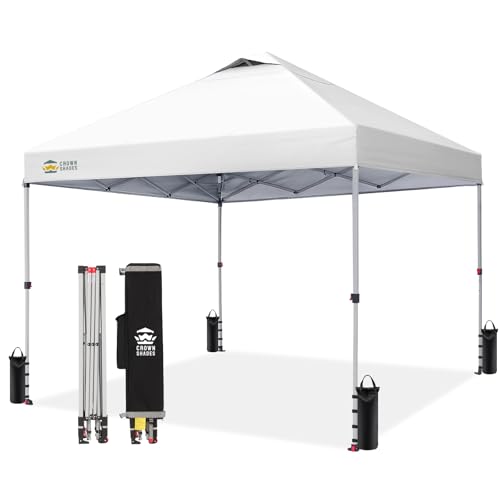
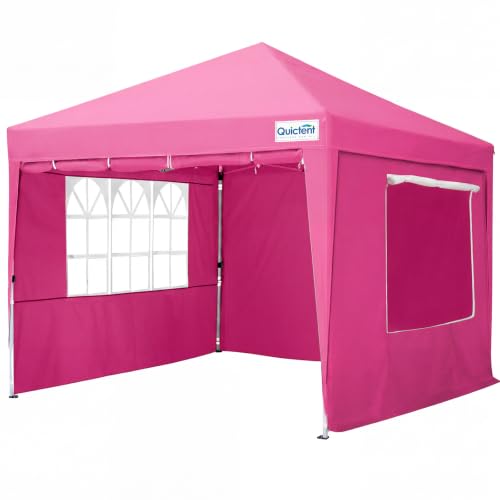
Easiest Pop Up Canopy for One Person
Discover the best solo-friendly pop-up canopies that set up in minutes, offer reliable sun and rain protection, and are light enough for one person to handle with ease.
See Top PicksWhy solo campers need a dedicated pop-up canopy: Setting up shelter alone shouldn't be a struggle. A one-person pop-up canopy eliminates the need for a second pair of hands, letting you create instant shade or rain cover at your campsite, beach spot, or backyard. This guide focuses on models specifically designed for effortless solo setup.
What Makes a Pop Up Canopy Truly "One-Person Easy"?
If you're searching for the easiest pop up canopy for one person, you've likely already realized that not all instant canopies are created equal. Some require significant strength to pull open, others are too heavy to lift alone, and many have confusing locking mechanisms that demand two people to align. The best solo canopy solves these problems with a combination of smart design and lightweight materials.
When you're camping alone or heading out on a solo day trip, your canopy should be an asset, not a burden. This guide breaks down the specific features that make a pop-up canopy manageable for one person: tents that can be erected by one person share similar design philosophies, focusing on pre-assembled frames and intuitive hubs. Similarly, the easiest 1 person tent to set up often uses pop-up or instant mechanics that translate well to canopy design. We'll also reference broader solo camping insights from our first time camping tips to ensure you're fully prepared.
Key Features That Make Solo Setup Effortless
🪶 Lightweight Frame
Aluminum or thin-walled steel frames reduce total weight, often under 25 lbs, so one person can lift and carry the canopy without strain.
⚡ One-Push Hub System
Central hub mechanisms allow the canopy to expand with a single upward push, eliminating the need to manually lock each leg.
🔒 Pre-Attached Fabric
The canopy top comes already attached to the frame, so there's no fiddling with separate fabric and poles.
📏 Compact Carry Bag
A wheeled or oversized carry bag makes transport easy, even when you're alone. Look for bags with shoulder straps or handles.
🦶 Foot Release Mechanism
Some models feature foot-operated releases, letting you collapse the canopy without bending or using both hands.
🌬️ Wind Vents
Built-in roof vents reduce wind lift and make the canopy more stable in breezy conditions, which is critical when you're setting up alone.
Pros and Cons of Solo Pop Up Canopies
✅ Advantages
- Sets up in under 2 minutes with no assistance
- Provides instant shade and UV protection
- Can be used for camping, picnics, beach, and backyard
- Lightweight models are easy to transport in a car trunk
- No tools or complex assembly required
- Often includes stakes and guy lines for stability
❌ Limitations
- Lighter canopies may be less stable in high winds
- Entry-level models may have thinner fabric
- Not designed for extreme weather or heavy snow
- Some compact models offer limited standing height
- Carry bags can still be bulky for hiking
- Replacement parts may be harder to find for budget models
Comparing Solo-Friendly Canopy Tiers
To help you choose, here's a comparison of pop-up canopy tiers based on ease of solo use. This classification uses universal quality descriptors rather than prices.
| Feature | Entry-Level | Mid-Range | Premium |
|---|---|---|---|
| Weight | Heavier, basic steel frame | Moderate, mixed materials | Lightweight aluminum or alloy |
| Setup Mechanism | Basic push-up, may need force | Smooth hub system | One-push or assisted lift |
| Fabric | Standard polyester | Coated polyester, UV resistant | Heavy-duty, waterproof, UPF 50+ |
| Stability | Basic stakes, no vents | Includes guylines and vents | Reinforced frame, wind vents, sandbags |
| Portability | Standard bag, no wheels | Oversized bag with handle | Wheeled bag or backpack straps |
For a solo camper, a mid-range canopy typically offers the best balance of ease, durability, and portability. Premium models are ideal if you camp frequently or face unpredictable weather. If you're also considering a screen room for bug protection, explore options like a pop-up tent you can stand up in or a easy set up screen tent for camping, which can complement your canopy setup.
Solo Setup Tips: How to Erect Your Canopy Alone
Even the easiest pop up canopy requires a bit of technique when you're by yourself. Follow these steps for a smooth, safe setup:
- Choose a flat, clear area: Remove rocks, sticks, and debris. A level surface prevents the canopy from tipping during setup.
- Unpack and orient the frame: Lay the canopy on its side with the legs facing you. Identify the hub or central pull mechanism.
- Expand the frame partially: With the canopy still on its side, pull the legs outward until the frame is about halfway open.
- Flip and push up: Stand the frame upright and push up on the central hub (or pull the fabric upward, depending on the model). The legs will lock into place.
- Extend legs and secure: Adjust each leg to your desired height, then stake down the corners and attach guylines if windy.
- Add weights if needed: Use sandbags or water weights on the feet for extra stability in breezy conditions.
For more general solo camping guidance, including how to handle rain and unexpected weather, see our articles on camping in the rain in a tent and tips for tent camping in the rain. These principles apply to canopy use as well.
Top Picks: Easiest Pop Up Canopy for One Person
Based on the criteria above—lightweight construction, one-push mechanisms, and solo-friendly features—here are the standout options for solo campers. These canopies are available through our affiliate partners, and we've categorized them by their relative market positioning.
🏕️ Best Overall for Solo Camping
Tier: Mid-Range
This canopy features a one-push hub system, pre-attached fabric, and a wheeled carry bag. At around 25 lbs, it's manageable for one person and offers excellent UV protection. Ideal for campgrounds and picnics.
🪶 Lightest Option
Tier: Premium
Constructed with an aluminum frame, this canopy weighs under 18 lbs and sets up with a single upward push. The compact carry bag fits easily in a car trunk. Best for solo travelers who prioritize portability.
🌧️ Best for Rain Protection
Tier: Mid-Range
Waterproof coated fabric with taped seams and integrated wind vents. The frame locks securely, and the included guylines provide stability. A solid choice for variable weather.
💰 Budget-Friendly Starter
Tier: Entry-Level
A straightforward pop-up canopy that gets the job done. It's heavier than premium models but still manageable for one person. Includes basic stakes and a standard carry bag.
Our Verdict: Which One Is Right for You?
If you want the easiest pop up canopy for one person with minimal fuss, prioritize a model with a one-push hub and a wheeled bag. Mid-range options offer the best blend of ease and durability for regular solo campers. If you only need occasional shade, an entry-level canopy is sufficient, but be prepared for a slightly heavier lift.
Remember to check the canopy's footprint and standing height—especially if you plan to use it over a picnic table or camping chair. For more inspiration on solo-friendly gear, see our guide to things to buy for a new camper and things to take when you go camping.
Frequently Asked Questions
Can one person really set up a pop-up canopy alone?
Yes, absolutely. Many modern canopies are designed for solo setup. Look for features like one-push hubs, pre-attached fabric, and lightweight frames. Avoid canopies that require you to manually lock each leg or lift heavy sections overhead.
How much does a solo-friendly pop-up canopy weigh?
Most solo-friendly models weigh between 18 and 30 pounds. Premium aluminum models tend to be lighter, while entry-level steel models are heavier. If you need to carry the canopy any distance, aim for under 25 pounds.
Are pop-up canopies good for camping in wind?
They can be, but you must stake them down and use guylines. Choose a canopy with wind vents to reduce lift. Never leave a canopy unattended in strong winds, as it can become a projectile. For extreme conditions, consider a more robust shelter like a pop-up tent you can stand up in.
What size canopy is best for one person?
A 10x10 canopy is usually ideal for solo use—it provides ample shade for a chair, small table, and gear without being too large to handle. Smaller 8x8 options are lighter but offer less coverage.
Can I use a pop-up canopy on a beach?
Yes, but you'll need sandbags or stakes designed for sand. Some canopies come with sandbag anchors. Avoid using a canopy on a beach in high winds. For beach-specific shelters, see our guide to pop-up beach tent sun shade shelter land and sea.
For more solo camping insights, explore our guides on tents that can be erected by one person, easiest 1 person tent to set up, and first time camping tips. If you're expanding your gear, consider a pop-up tent you can stand up in or an easy set up screen tent for camping.