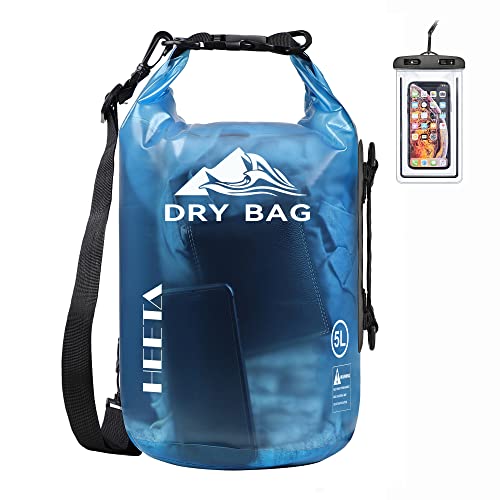
Dry Bag Backpack: The Ultimate Guide to Waterproof Protection
Whether you're paddling through rapids, hiking in torrential rain, or camping near water, a dry bag backpack keeps your gear bone-dry. This guide breaks down everything you need to know before you buy.
A dry bag backpack is more than just a waterproof sack with straps. It's a critical piece of gear for anyone who spends time in wet environments—kayakers, canoeists, rafters, hikers, and even beach campers. Unlike a traditional backpack with a rain cover, a true dry bag backpack uses a closure system and waterproof materials to create an airtight seal. When sealed properly, it can even float if dropped in water.
If you're planning a trip that involves water—or just unpredictable weather—this guide will help you understand the key features, materials, and styles so you can choose the right dry bag backpack for your needs.
What Exactly Is a Dry Bag Backpack?
A dry bag backpack combines the portability of a backpack with the waterproof protection of a dry bag. Most models use a roll-top closure: you roll the top down at least three times and clip it shut. This creates a watertight seal that prevents water from entering, even if the pack is submerged. Some models use a zipper with a waterproof coating (like a TIZIP zipper), but roll-top designs are generally more reliable for full submersion.
Key components include:
- Waterproof fabric: Typically PVC, TPU, or coated nylon/polyester. TPU is lightweight and durable; PVC is heavier but very rugged.
- Closure system: Roll-top, zipper, or fold-over with buckle.
- Seams: Welded or taped seams prevent water from seeping through stitching.
- Straps and harness: Padded shoulder straps and sometimes a hip belt for carrying comfort.
Unlike a regular backpack with a rain cover, a dry bag backpack doesn't rely on a separate cover that can blow off or leak. It's integrated protection. That said, not all dry bag backpacks are fully submersible—some are only water-resistant. If you need true submersibility, look for models rated as IPX7 or higher.
Who Needs a Dry Bag Backpack?
You'll benefit from a dry bag backpack if your activities involve:
- Water sports: Kayaking, canoeing, paddleboarding, rafting, or fishing. Your gear needs to survive splashes, rain, and potential capsizing.
- Hiking in wet climates: Rainforests, coastal trails, or anywhere with frequent rain. A wet sleeping bag or electronics can ruin a trip.
- Beach camping: Sand and saltwater are enemies of zippers and electronics. A dry bag keeps everything clean and dry.
- Winter camping: Snow is water. A dry bag prevents your spare layers from getting damp.
- Travel: protects gear from rain, spills, and even accidental immersion.
Even if you're just car camping, a dry bag backpack is handy for keeping gear organized and protected from morning dew or unexpected showers.
Types of Dry Bag Backpacks: Roll-Top vs. Zipper vs. Hybrid
Roll-Top Dry Bag Backpack
The most common and reliable design. You place items inside, roll the top down tightly, and secure the buckle. This creates a waterproof seal that can withstand submersion. Roll-top bags are simple, durable, and often float. They come in sizes from 5L to 40L+. The main drawback: accessing items requires unrolling and re-rolling, which can be inconvenient if you need frequent access. For a day trip where you only open the bag a few times, it's perfect.
Zipper Dry Bag Backpack
These use a waterproof zipper (like TIZIP) that seals out water. They offer quicker access than roll-top models but are generally more expensive and require careful maintenance (lubricating the zipper). Zipper failures can compromise waterproofness. They are a good choice for travel or daily use where you need frequent access but still want strong water resistance.
Hybrid Dry Bag Backpack
Some backpacks combine a roll-top main compartment with a water-resistant zippered front pocket or side pockets. This gives you the best of both worlds: secure waterproof storage for critical items, plus quick-access pockets for items you don't need to keep fully dry (like a water bottle or map). However, the zippered pockets are usually only water-resistant, not submersible.
When choosing, consider how often you'll need to access your gear and whether the bag will be submerged. For pure paddling trips, roll-top is king. For travel and daily commutes, a zipper or hybrid may be more convenient.
Materials: PVC, TPU, and Coated Nylon
The material affects weight, durability, and environmental impact.
- PVC (Polyvinyl Chloride): Heavy, extremely durable, and inexpensive. Often used in heavy-duty dry bags. Not eco-friendly and can become brittle in cold weather.
- TPU (Thermoplastic Polyurethane): Lighter than PVC, flexible in cold, and more environmentally friendly. It's the preferred material for premium dry bags. It can be welded or sewn and taped.
- Coated Nylon/Polyester: Lightweight and packable. Often used in ultralight dry bags. Less abrasion-resistant than PVC or TPU but adequate for most recreational use.
For a balance of weight, durability, and eco-friendliness, TPU is a top choice. If you're on a tight budget and don't mind extra weight, PVC works fine. For backpacking where every ounce counts, coated nylon is a good option.
Key Features to Evaluate Before Buying
- Capacity: Match the size to your activity. 10–20L for day trips, 20–30L for overnight, 30–40L+ for multi-day adventures. Remember you'll need room for layers, food, and safety gear.
- Carrying comfort: Padded shoulder straps and a hip belt make a big difference for heavier loads. Some ultralight dry bags have minimal straps—great for stowing in a kayak, less ideal for long hikes.
- Closure type: Roll-top for maximum waterproofness; zipper for quick access.
- Seams: Welded or taped seams are essential. Avoid stitched seams without sealing.
- Submersibility rating: IPX7 means it can be submerged in 1 meter of water for 30 minutes. IPX6 is for heavy splashes. If you need full submersion protection, look for IPX7 or higher.
- Extra pockets: A front pocket or mesh side pockets can be handy for quick-access items, but they may not be waterproof. Use them for items that can get wet.
- Valve: Some dry bags have a purge valve to compress air out, making packing easier. Not essential but nice.
- Durability: Look for reinforced bottom panels and abrasion-resistant materials if you'll be setting the bag on rough surfaces.
Also consider whether the backpack has a hydration bladder sleeve or port—if you plan to use a water reservoir.
How to Choose the Right Dry Bag Backpack for Your Adventures
Start by defining your primary use. If you're a kayaker who needs to protect gear during a capsize, prioritize a roll-top TPU bag with welded seams and a submersible rating. If you're a hiker who occasionally gets caught in rain, a lighter coated nylon roll-top may suffice. For travel, a zipper or hybrid bag with a laptop sleeve might be more practical.
Next, consider capacity. A 20L bag is a good size for a day hike or kayak day trip. A 30–40L bag works for overnight or multi-day trips. If you're carrying camera gear or electronics, consider a bag with a padded sleeve or insert.
Finally, think about comfort. If you'll be carrying the bag for miles, invest in one with a proper harness system. If it will mostly live in a boat, minimal straps are fine and save weight.
For more tips on planning your camping adventures, check out our guide on first-time camping tips and camping checklists to ensure you don't forget essentials.
Caring for Your Dry Bag Backpack
To keep your dry bag backpack performing for years:
- Rinse with fresh water after saltwater or muddy trips.
- Dry thoroughly before storing—never store damp.
- Clean zippers with a soft brush and lubricate with silicone grease (for zipper models).
- Avoid sharp objects and excessive heat.
- Store loosely rolled, not folded, to prevent creases.
- Check seams and closures regularly for wear.
With proper care, a quality dry bag backpack can last many seasons.
Related Gear & Further Reading
A dry bag backpack pairs well with other waterproof gear. If you're into water sports or camping near water, you might also need a portable changing room or a quick-dry camping towel. For organizing small items, consider a backpack tackle box if you fish, or a cycling hydration pack for biking adventures.
For cold-weather trips, our winter camping gear guide covers how to keep everything dry and warm. And if you're heading to a national park, be sure to read up on national park camping regulations and Leave No Trace principles to minimize your impact.
If you're still deciding between a dry bag backpack and a traditional backpack with a rain cover, our article on camping backpacks with tent and sleeping bag may help. And for those who camp in extreme wet conditions, a waterproof backpack (similar concept) is worth exploring.
Frequently Asked Questions
Can I use a dry bag backpack as a regular backpack?
Yes, but roll-top access can be less convenient for daily use. Many people use them for commuting or travel where weather protection is a priority.
Are dry bag backpacks really waterproof?
True dry bag backpacks with roll-top closures and welded seams are waterproof, meaning water cannot penetrate even if submerged. However, some models are only water-resistant—check the IP rating.
How do I know if my dry bag backpack will float?
Most roll-top dry bags will float if sealed properly with some air inside. But if you fill it with heavy gear, it may sink. Test in shallow water first.
Can I use a dry bag backpack for hiking?
Yes, many are designed with padded straps and hip belts for hiking. Just note that roll-top access means you'll need to stop to open it.
What size dry bag backpack do I need?
For day trips, 15–25L is typical. For overnight, 30–40L. For multi-day, 40L+. Consider the bulk of your gear.
Final Thoughts: Invest in Dry Protection
A dry bag backpack is one of those pieces of gear you don't appreciate until you need it—and then it becomes indispensable. Whether you're paddling, hiking, or just caught in a downpour, the peace of mind knowing your gear is safe is worth it. Use this guide to evaluate your needs, choose the right features, and pick a bag that will serve you for many adventures.
Ready to explore more? Check out our camping gear guides and camping styles for more inspiration.