Backpack Tackle Box: The Ultimate Buyer's Guide for Anglers
Discover how to choose the perfect backpack tackle box for fishing trips, camping adventures, and outdoor excursions. Learn about features, organization systems, and expert tips for keeping your gear ready.
Why a Backpack Tackle Box Matters: A well-designed backpack tackle box transforms how you fish. Instead of juggling multiple boxes and bags, you carry everything hands-free, keep lures and tools organized, and move efficiently along shorelines, rivers, and trails. Whether you are a weekend angler or a serious multi-species hunter, the right pack keeps your gear protected and accessible.
What Is a Backpack Tackle Box?
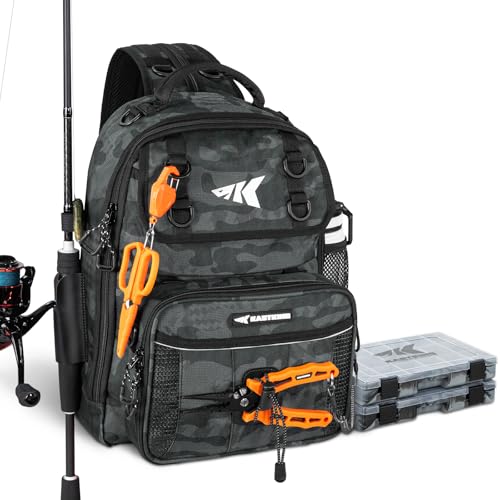
A backpack tackle box is a hybrid fishing bag that combines the storage capacity of a traditional tackle box with the hands-free portability of a backpack. Unlike a standard tackle box that you carry by a handle, a backpack tackle box distributes weight across your shoulders and back, making it far more comfortable for long walks to remote fishing spots. These packs typically feature multiple compartments, removable utility boxes, rod holders, and external attachment points for tools like pliers, line cutters, and landing nets.
The concept has evolved significantly over the years. Modern backpack tackle boxes are engineered with anglers in mind, offering waterproof bases, breathable back panels, and modular storage systems that adapt to different fishing styles. Whether you are fly fishing in a mountain stream, surf casting on a beach, or ice fishing on a frozen lake, there is a backpack tackle box designed for your specific needs. For those who combine fishing with camping, a backpack tackle box can double as a daypack for hiking to remote lakes and rivers. If you are planning an outdoor adventure that combines fishing and trekking, consider reading our guide on EBC trekking tour for inspiration on multi-day outdoor excursions.
Key Features to Look For
Not all backpack tackle boxes are created equal. The best models share several core features that enhance organization, durability, and comfort. Understanding these features will help you make an informed decision based on your fishing habits and the environments you frequent.
Modular Storage System
Look for packs with removable utility boxes or trays. This allows you to customize your loadout for each trip and swap boxes between bags.
Water-Resistant Materials
Nylon, polyester, and PVC-coated fabrics protect your gear from rain, splashes, and accidental submersion. Sealed zippers add another layer of protection.
Comfortable Harness System
Padded shoulder straps, a breathable back panel, and a sternum strap distribute weight evenly and reduce fatigue on long hikes.
Rod Holder or Straps
External rod holders or straps let you carry a fishing rod hands-free. Some packs accommodate two-piece rods in side pockets.
Tool Attachment Points
D-rings, daisy chains, and hook-and-loop panels let you attach pliers, line cutters, lip grips, and other tools within easy reach.
Waterproof Base
A reinforced, waterproof base keeps the pack dry when set down on wet ground, boat decks, or rocky shorelines.
Types of Backpack Tackle Boxes
Backpack tackle boxes come in several configurations, each suited to different fishing styles and preferences. Understanding the differences will help you narrow down your options.
1. Traditional Backpack Tackle Box
This is the most common style, featuring a large main compartment with removable utility boxes, side pockets for tools and accessories, and a front pocket for personal items. These packs are ideal for bank fishing, pier fishing, and short to medium hikes. They typically offer the best balance of storage capacity and portability. Many anglers who also enjoy camping use this type of pack as a dual-purpose gear bag. If you are planning a camping and fishing trip, check our guide on go for camping for essential tips.
2. Sling Pack Tackle Box
A sling pack is a single-strap bag that rotates from back to chest, giving you quick access to your tackle without removing the pack. These are popular among fly fishermen and anglers who need to change lures frequently while wading. Sling packs are lighter and more compact than traditional backpack tackle boxes, making them ideal for minimalist anglers.
3. Waist Pack Tackle Box
A waist pack (also called a lumbar pack) sits on your hips and provides quick access to tackle while keeping your shoulders free. These are best for light trips where you only need a few boxes of lures and some tools. Many waist packs can be combined with a backpack for extended trips.
4. Hybrid Fishing Backpack
Hybrid packs combine features of backpack tackle boxes and traditional hiking backpacks. They often include a dedicated tackle storage section, a hydration sleeve, and enough room for a rain jacket, lunch, and camera. These are ideal for anglers who hike long distances to reach remote fishing spots. If you are also interested in hunting, a bow hunting backpack shares many design principles with hybrid fishing packs.
How to Choose the Right Backpack Tackle Box
Selecting the right backpack tackle box depends on several factors, including your fishing style, the types of water you fish, and how far you typically carry your gear. Use the following comparison table to understand how different tiers of packs compare across key criteria.
| Feature | Entry-Level | Mid-Range | Premium |
|---|---|---|---|
| Material | Basic polyester, minimal water resistance | Ripstop nylon, water-resistant coating | Heavy-duty nylon or PVC, waterproof base and zippers |
| Storage | 2–3 utility boxes, limited pockets | 4–6 utility boxes, multiple organizational pockets | 6+ utility boxes, modular system, dedicated tool panels |
| Harness | Basic padded straps | Ergonomic straps, breathable back panel | Load-lifting harness, adjustable sternum and waist belt |
| Rod Carry | None or simple loop | Side rod holder or straps | Dedicated rod tube or multiple attachment points |
| Durability | 1–2 seasons of regular use | 3–5 seasons with proper care | 5+ seasons, reinforced stress points |
| Best For | Occasional anglers, short trips | Regular anglers, varied conditions | Serious anglers, remote locations, extreme conditions |
Editor's Tip: If you fish from a boat or kayak, consider a waterproof backpack tackle box with a roll-top closure. If you hike long distances, prioritize a pack with a comfortable harness and lightweight construction. The best pack is the one that fits your specific fishing style.
Organization Tips for Your Backpack Tackle Box
Even the best backpack tackle box can become a mess without a thoughtful organization system. Here are proven strategies to keep your gear tidy and accessible.
Quick Organization Checklist
- Group lures by type (crankbaits, spinnerbaits, jigs, soft plastics) in separate utility boxes.
- Keep frequently used items in the most accessible pockets.
- Use small zip-top bags or divider boxes for terminal tackle (hooks, weights, swivels).
- Store soft plastics in their original packaging to prevent melting and color bleed.
- Attach pliers, line cutters, and lip grips to external D-rings for quick access.
- Keep a small first aid kit and emergency supplies in a dedicated pocket.
- Place a desiccant packet in each utility box to absorb moisture.
- Label utility boxes with a label maker or permanent marker for quick identification.
Proper organization not only saves time on the water but also protects your investment. Rusty hooks, tangled line, and crushed lures are common problems that can be avoided with a disciplined approach to tackle management. For anglers who also camp, keeping your tackle organized alongside your camping gear makes packing and unpacking much easier. If you are planning meals for your trip, our guide on good camping meals can help you plan efficient and delicious outdoor meals.
Backpack Tackle Box vs. Traditional Tackle Box
Traditional tackle boxes have served anglers for generations, but backpack tackle boxes offer distinct advantages for mobile anglers. Here is how they compare:
- Portability: Backpack tackle boxes distribute weight across your shoulders and back, making them far more comfortable for long walks. Traditional boxes must be carried by hand, which limits how far you can travel comfortably.
- Hands-Free Operation: With a backpack, both hands are free to carry a rod, net, or stringer. A traditional box requires at least one hand at all times.
- Storage Capacity: Traditional boxes often have more raw storage volume, but backpack tackle boxes offer better organization with modular utility boxes and multiple compartments.
- Accessibility: Traditional boxes provide immediate access to all tackle when opened. Backpack tackle boxes require you to remove the pack or rotate it to access gear, although sling packs mitigate this issue.
- Versatility: Backpack tackle boxes can double as daypacks for hiking, camping, or photography. Traditional boxes are single-purpose.
For anglers who drive to their fishing spot and fish within a short distance of their vehicle, a traditional tackle box may be sufficient. But for anyone who hikes, wades, or explores remote waters, a backpack tackle box is the superior choice. If you are also interested in camping furniture for your base camp, you might find our guide on couch for camping useful for comfort during extended trips.
Maintenance and Care
To get the longest life from your backpack tackle box, regular maintenance is essential. Follow these simple care guidelines:
- Rinse After Saltwater Use: Saltwater is corrosive to zippers, metal hardware, and hooks. Rinse your pack and all tackle with fresh water after every saltwater trip.
- Dry Thoroughly: Never store your pack wet. Mold and mildew can develop quickly, especially in humid climates. Air-dry the pack in a shaded, well-ventilated area.
- Lubricate Zippers: Apply a zipper lubricant or a small amount of paraffin wax to keep zippers running smoothly.
- Inspect Straps and Seams: Check shoulder straps, webbing, and seams for signs of wear. Repair or replace damaged components before they fail on the water.
- Store Properly: Store your pack in a cool, dry place. Avoid compressing it tightly, which can deform utility boxes and damage the harness.
With proper care, a quality backpack tackle box can last for many seasons, providing reliable service on countless fishing adventures. For anglers who camp in cold weather, protecting your gear from freezing temperatures is also important. Our guide on winter camping gear covers strategies for keeping equipment functional in cold conditions.
Frequently Asked Questions
The size you need depends on how much tackle you carry and how far you travel. A small sling pack (5–10 liters) is sufficient for light trips with a few boxes. A medium backpack (15–25 liters) works for most anglers who carry 4–6 utility boxes plus tools and personal items. Large packs (30+ liters) are for serious anglers who bring extensive tackle, extra clothing, and possibly camping gear.
Yes, you can use a regular backpack, but it will not offer the same level of organization and protection. Purpose-built backpack tackle boxes have padded compartments, removable utility boxes, and water-resistant materials designed specifically for fishing gear. Using a regular backpack risks damage to your tackle and makes it harder to find items quickly.
Most backpack tackle boxes are water-resistant, not fully waterproof. They can handle rain and splashes but should not be submerged. If you need full waterproof protection, look for packs with roll-top closures, welded seams, and waterproof zippers. These are ideal for kayak fishing, wading, and extreme weather conditions.
Rust prevention starts with drying your tackle thoroughly after each trip. Store hooks, weights, and tools in sealed boxes with desiccant packets. Avoid leaving wet lures in contact with metal for extended periods. For saltwater fishing, rinse all gear with fresh water and apply a light coat of oil to metal components.
Many backpack tackle boxes include rod holders, straps, or loops for carrying a fishing rod. Some packs have dedicated side pockets that accommodate two-piece rods. If your pack does not have a rod holder, you can attach one using external daisy chains or D-rings. Always secure the rod firmly to prevent damage during transport.
The best materials are heavy-duty nylon (such as 600D or 1000D), ripstop polyester, and PVC-coated fabrics. These materials are durable, water-resistant, and resistant to abrasion. Look for packs with reinforced stitching at stress points and waterproof bases for added durability.
Final Thoughts
A backpack tackle box is an essential investment for any angler who values mobility, organization, and comfort. By understanding the different types, key features, and maintenance requirements, you can choose a pack that fits your fishing style and enhances your time on the water. Whether you are a casual weekend angler or a dedicated multi-species hunter, the right backpack tackle box will keep your gear protected, organized, and ready for action.
Remember to consider how your fishing trips intersect with other outdoor activities. If you camp while fishing, a versatile pack can serve double duty. For more inspiration on outdoor adventures, explore our guides on camping destinations and state park camping. With the right gear and preparation, every fishing trip becomes a memorable outdoor experience.
Ready to Gear Up?
Explore our recommended backpack tackle boxes and fishing gear below to find the perfect match for your next adventure.
View Recommended Gear