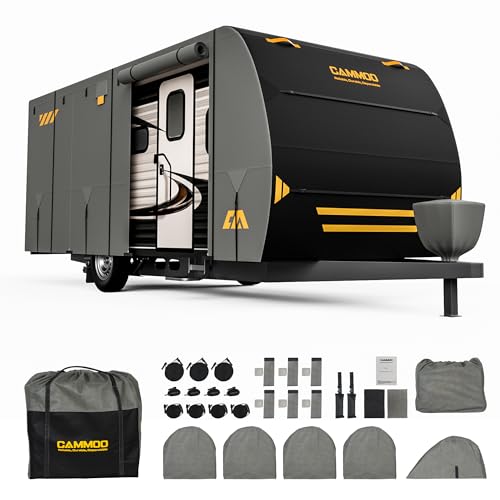
Best Cover for Camper Trailer: Protect Your RV Investment
Discover the best camper trailer covers to shield your RV from UV rays, rain, snow, and dirt. Expert reviews, buying tips, and size guides for every travel trailer.
Your camper trailer is a significant investment, and a high-quality cover is the first line of defense against the elements. Whether you're storing your RV for the winter or protecting it from harsh summer sun, the right cover for camper trailer can extend its lifespan, maintain its appearance, and save you thousands in repairs. This guide covers everything you need to know—from materials and sizes to the best covers on the market.
Why Your Camper Trailer Needs a Cover
Without proper protection, your trailer is exposed to constant UV radiation, which can fade decals, crack seals, and damage the roof. Rain and snow can lead to leaks and mold, while wind-blown debris can scratch the exterior. A durable camper trailer cover acts as a protective barrier, keeping your RV in top condition year-round.
UV Protection
Blocks harmful UV rays to prevent fading and cracking.
Waterproof & Breathable
Repels rain and snow while allowing moisture to escape.
Wind Resistant
Reinforced corners and straps keep the cover secure in high winds.
Scratch-Free
Soft inner lining protects your trailer's finish from scratches.
Types of Camper Trailer Covers
All-Season Covers
Designed for year-round protection, these covers are made from heavy-duty, multi-layer fabric that withstands sun, rain, snow, and wind. They are the most popular choice for full-time storage.
- Best for: Outdoor storage in all climates
- Material: Polypropylene or polyester with UV coating
- Features: Reinforced seams, strap system, vent panels
Winter Covers
Specifically engineered for cold-weather storage, these covers offer extra insulation and waterproofing. They are ideal for regions with heavy snowfall and freezing temperatures.
- Best for: Northern climates with harsh winters
- Material: Heavy-duty polyethylene with snow shedding
- Features: Extra reinforcement, snow load capacity
Lightweight Storage Covers
Perfect for indoor storage or mild climates, these covers are lighter and more affordable. They provide basic protection against dust and light scratches.
- Best for: Indoor storage or moderate weather
- Material: Thin polypropylene or canvas
- Features: Easy to handle, basic tie-downs
How to Choose the Right Size Cover
Getting the right size is crucial for effective protection. A cover that's too loose can flap in the wind, causing damage, while a cover that's too tight may strain seams and fasteners.
Pro Tip: Measure your trailer from the front bumper to the rear bumper, and from side to side at the widest point. Also, note the height and any accessories (AC units, roof racks) that might affect the fit. Most manufacturers provide sizing charts based on these dimensions.
If you have a travel trailer with slide-outs, look for covers designed to accommodate them. Some covers feature stretchable panels or separate zippered sections for slide-outs.
Material Comparison: Which is Best?
| Material | Durability | Waterproof | Breathable | Best For |
|---|---|---|---|---|
| Polypropylene | ★★★☆☆ | ★★☆☆☆ | ★★★★★ | Indoor storage, mild climates |
| Polyester (Heavy-Duty) | ★★★★★ | ★★★★☆ | ★★★★☆ | All-season, outdoor storage |
| Polyethylene | ★★★★☆ | ★★★★★ | ★★☆☆☆ | Winter protection, snow/rain |
| Canvas | ★★★★☆ | ★★☆☆☆ | ★★★★★ | Indoor storage, vintage trailers |
* Ratings are based on general industry standards. Always check manufacturer specifications.
Top Features to Look For
- UV Protection: Prevents fading and cracking of decals and paint.
- Breathability: Allows moisture and condensation to escape, preventing mold and mildew.
- Reinforced Seams & Corners: Adds strength where the cover experiences the most stress.
- Integrated Strap System: Keeps the cover secure even in strong winds.
- Access Panels: Zippered panels allow access to doors or compartments without removing the entire cover.
- Soft Inner Lining: Protects the trailer's finish from scratches and rubbing.
Installation & Maintenance Tips
Installing Your Cover: Always clean your trailer before covering it. Remove dirt, bird droppings, and debris to prevent scratching. Use a broom or soft brush to sweep the roof. Install the cover from front to back, and adjust the straps until snug but not overly tight.
Maintenance: Periodically check your cover for tears or loose straps. Remove the cover occasionally to let the trailer breathe and inspect for any trapped moisture. If you notice wear, patch small holes or consider replacing the cover every 3–5 years.
Frequently Asked Questions
Can I use a tarp instead of a camper cover?
Tarps are not breathable and can trap moisture, leading to mold and rust. A proper camper trailer cover is specifically designed to protect while allowing ventilation.
How do I measure my trailer for a cover?
Measure the total length (including spare tire or bumper), width at the widest point, and height (including AC units). Check the manufacturer's sizing chart for the exact model.
Are camper covers safe for winter storage?
Yes, winter covers are specifically engineered for snow and ice. Look for covers with a high snow-load capacity and reinforced seams to prevent tearing.
Can I use a cover for a pop-up camper?
Absolutely. There are covers designed specifically for pop-up campers and tent trailers. Ensure you measure the folded height and width.
Ready to Protect Your Camper Trailer?
Browse the top-rated covers below and find the perfect fit for your trailer. Invest in protection that lasts.
Shop Camper CoversFor more on RV accessories, check out our guides on awning lights for camper, trailer hitch for camper, and travel trailer jack stabilizers. Also, explore our travel trailer camping list for a complete packing guide.