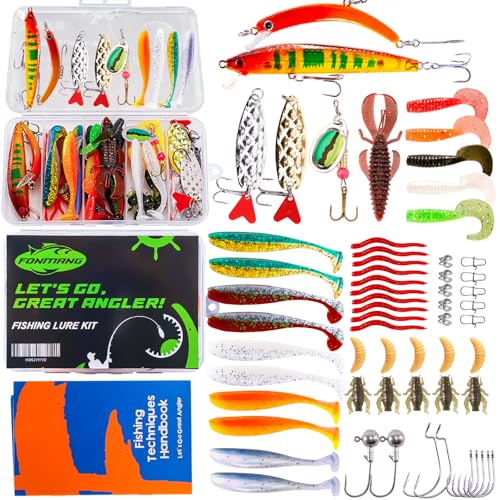
Cheapest Place to Buy Fishing Tackle: A Smart Buyer's Guide
Finding the cheapest place to buy fishing tackle isn't about sacrificing quality—it's about knowing where to look. This guide compares online retailers, local shops, and wholesale options so you can stock your tackle box without overspending.
See Recommended TackleWhy This Guide Matters: Anglers often overpay for tackle simply because they don't know where to shop. Whether you're a weekend hobbyist or a serious angler, understanding the retail landscape helps you get more gear for your budget—without compromising on performance.
Understanding the Fishing Tackle Retail Landscape
The fishing tackle market is diverse, with options ranging from entry-level starter kits to premium, tournament-grade equipment. Where you buy your tackle significantly impacts how much you pay for the same or similar products. The key is understanding the different retail channels and what each offers.
Generally, you'll encounter four main types of sellers: large online marketplaces, specialty fishing retailers (both online and brick-and-mortar), big-box stores, and local tackle shops. Each has distinct advantages and trade-offs. Online marketplaces often win on convenience and selection, while local shops provide expert advice and immediate availability. Big-box stores may offer competitive pricing on entry-level gear, but limited selection for specialized anglers.
For those who also enjoy other outdoor activities, exploring a broader camping shop can sometimes yield surprising deals on fishing accessories, especially during seasonal sales. Similarly, if you're planning a fishing trip that combines camping, checking out salmon fishing gear guides can help you align your tackle choices with your destination.
Online vs. Local: Where Do You Actually Save?
Online shopping has transformed how anglers buy tackle. Large e-commerce platforms aggregate thousands of sellers, creating intense competition that often drives prices down. You can compare dozens of options in minutes, read verified reviews, and have gear delivered to your door. However, online shopping lacks the tactile experience—you can't feel the action of a rod or inspect the finish of a lure before buying.
Local tackle shops, on the other hand, offer personalized service. Staff often know local waters and can recommend specific lures or line weights that work in your area. They may also price-match online competitors or offer loyalty programs. The trade-off is typically higher overhead costs, which can translate to higher shelf prices. That said, many local shops run clearance sales or bundle deals that rival online prices, especially at the end of a fishing season.
Big-box stores like Walmart, Bass Pro Shops, and Cabela's fall somewhere in between. They offer competitive pricing on entry-level and mid-range gear, plus the convenience of browsing in person. However, their selection of premium or specialty tackle may be limited compared to dedicated fishing retailers.
Retail Channel Comparison
| Retail Channel | Typical Price Tier | Best For | Potential Drawbacks |
|---|---|---|---|
| Large Online Marketplaces (e.g., Amazon, eBay) | Entry-Level to Mid-Range | Comparing prices, bulk buying, hard-to-find items | Variable seller quality, shipping wait times, less tactile |
| Specialty Online Retailers (e.g., Tackle Warehouse, FishUSA) | Mid-Range to Premium | Expert-curated selection, detailed specs, reliable shipping | Higher prices than marketplaces, shipping costs |
| Big-Box Stores (e.g., Walmart, Bass Pro Shops) | Entry-Level to Mid-Range | Immediate purchase, basic gear, seasonal sales | Limited premium selection, inconsistent stock |
| Local Tackle Shops | Mid-Range to Luxury | Expert advice, local knowledge, supporting small business | Higher overhead costs, limited inventory, may close seasonally |
| Wholesale / Bulk Sellers | Entry-Level | Buying in large quantities, reselling, club orders | Minimum order requirements, variable quality control |
Note: Price tiers are relative descriptors, not specific price ranges. Actual costs vary by brand, season, and retailer.
The Cheapest Places to Buy Fishing Tackle
Based on extensive research and angler feedback, certain channels consistently offer the best value. Here's a breakdown of where you're most likely to find affordable fishing tackle without sacrificing too much quality.
1. Large Online Marketplaces
Amazon, eBay, and similar platforms are often the first stop for budget-conscious anglers. The sheer volume of sellers means prices are highly competitive. You can find entry-level rods, reels, and tackle boxes for a fraction of what you'd pay at a specialty store. However, quality can be inconsistent—some sellers offer generic products that may not hold up over time. Always check seller ratings and read reviews before buying.
For those looking to equip a full camping and fishing setup, combining purchases from a single marketplace can sometimes unlock free shipping or bundle discounts. If you're also in the market for camping furniture, items like a portable foldable stool or a folding chair with side table can often be found at similar discounts on the same platforms.
2. Specialty Online Retailers
Retailers like Tackle Warehouse, FishUSA, and LandBigFish cater specifically to anglers. While their prices may be slightly higher than marketplaces, they often run sales, clearance sections, and loyalty programs that bring costs down. Their advantage is curated inventory—you're less likely to buy junk. They also provide detailed product descriptions and expert reviews, helping you make informed decisions.
If you're planning a fishing and camping trip, you might also need gear like a good camping stove or a portable camp kitchen. Specialty outdoor retailers sometimes bundle fishing and camping gear, offering savings when you buy across categories.
3. Big-Box Stores
Walmart, Target, and sporting goods chains like Dick's Sporting Goods often have competitive prices on entry-level tackle. Their fishing sections typically include starter kits, basic lures, and inexpensive line. Seasonal clearance events—especially at the end of summer—can yield significant discounts. The downside is limited selection for advanced anglers; you won't find specialty bass lures or saltwater-grade reels at most big-box stores.
4. Local Tackle Shops
While local shops may not always be the absolute cheapest, they can be surprisingly affordable when you factor in expert advice and the ability to buy exactly what you need. Many local shops offer price matching, and some sell used or consignment tackle at deep discounts. Building a relationship with a local shop can also lead to insider tips on where the fish are biting—value you can't put a price on.
5. Wholesale and Bulk Sellers
If you're buying for a club, a large group, or simply want to stock up for years, wholesale sellers can offer the lowest per-unit prices. However, these often require minimum orders and may not provide the same quality assurance as retail channels. This option is best for consumables like hooks, sinkers, and basic line rather than high-end reels or rods.
Tips for Saving on Fishing Tackle
Beyond choosing the right retailer, there are several strategies to reduce your tackle costs:
- Buy Off-Season: Tackle prices often drop in late fall and winter when demand is low. Stock up for the next season.
- Shop Clearance and Overstock: Retailers frequently discount last year's models. The fish don't care if your lure is a season old.
- Join Loyalty Programs: Many online and local retailers offer points or discounts for repeat customers.
- Consider Used Gear: Online marketplaces and local shops sometimes sell used reels and rods in good condition at a fraction of retail.
- Buy in Bulk for Consumables: Hooks, swivels, and sinkers are often cheaper per unit when bought in larger packs.
- Sign Up for Newsletters: Retailers often send exclusive discount codes to subscribers.
For those who enjoy combining fishing with camping, exploring resources on essential things to pack for camping can help you plan a trip where your gear does double duty. And if you're camping near a river or lake, a river campground can provide easy access to prime fishing spots.
Quality Tiers: What to Expect at Each Level
When shopping for fishing tackle, understanding quality tiers helps you set realistic expectations. Here's a breakdown of what each tier typically offers:
Entry-Level / Budget-Friendly
- Affordable, great for beginners
- Functional for casual fishing
- Less durable materials
- Basic components, fewer features
Mid-Range / Mid-Tier
- Better build quality and smoothness
- Good balance of performance and value
- Not tournament-grade
- May lack advanced drag systems
Premium / High-End
- Superior materials and craftsmanship
- Enhanced sensitivity and durability
- Higher cost
- Overkill for occasional anglers
Luxury / Top-Tier
- Tournaments-grade precision
- Lightweight, high-strength materials
- Significant investment
- Diminishing returns for casual use
For most anglers, mid-range tackle offers the best value. It's durable enough for regular use, performs well, and doesn't require a luxury-tier investment. Entry-level gear is perfectly adequate for occasional fishing, while premium and luxury tiers are best reserved for serious enthusiasts and professionals.
Ready to Gear Up Without Overspending?
We've curated a selection of fishing tackle that balances quality and value. Explore our recommended picks below.
View Recommended TackleFrequently Asked Questions
Yes, buying fishing tackle online is generally safe, especially from reputable marketplaces and specialty retailers. Look for sellers with high ratings and positive reviews. Avoid deals that seem too good to be true, and check return policies before purchasing. Using secure payment methods adds an extra layer of protection.
Late fall and winter are often the best times to buy fishing tackle, as retailers clear out inventory to make room for new stock. You can also find good deals during major holiday sales events and at the end of summer. Off-season shopping is a reliable strategy for budget-conscious anglers.
Cheap lures can be effective, especially for beginners or casual anglers. The key is matching the lure to the fish species and water conditions. Entry-level lures may have less durable finishes or simpler actions, but many still catch fish. As you gain experience, you may want to invest in mid-range or premium lures for specific techniques.
For beginners, a combo is often the most cost-effective option. Combos are pre-matched by the manufacturer, so you don't have to worry about compatibility. As you advance, buying separately allows you to customize your setup for specific fishing styles and species. Start with a combo if you're new, then upgrade components individually as your skills grow.
Compare prices across multiple retailers before buying. Check the original MSRP (manufacturer's suggested retail price) and see how much the discount is. Read reviews to gauge quality. Be wary of "too good to be true" deals on premium brands—they may be counterfeit or refurbished. Stick with authorized dealers when possible.
Final Thoughts
Finding the cheapest place to buy fishing tackle requires a bit of research and flexibility. Large online marketplaces often offer the lowest prices on entry-level and mid-range gear, while specialty retailers provide better curation and expert advice. Local shops excel at personalized service and local knowledge, and wholesale sellers can't be beat for bulk consumables.
By shopping strategically—buying off-season, leveraging clearance sales, and comparing across channels—you can build a capable tackle collection without overspending. Remember that the best deal isn't always the lowest price; it's the best balance of quality, durability, and value for your specific fishing needs.
Whether you're gearing up for a solo trip or a family camping adventure, having the right tackle makes the experience more enjoyable. And if you're combining fishing with camping, don't forget to check out our guides on camping meals that don't require cooking and fun things to cook over a fire to round out your outdoor experience.