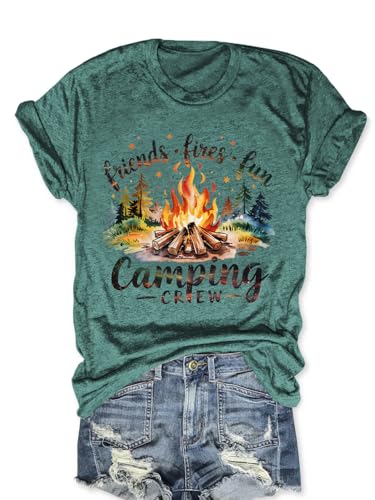
Camping Shirts for Women: The Ultimate Guide to Comfort & Protection
From breathable fabrics to sun protection, discover how to choose the perfect women's camping shirt for your next outdoor adventure.
START READINGWhy Your Camping Shirt Matters: A good camping shirt is more than just clothing—it's your first line of defense against the elements. Whether you're hiking, setting up camp, or relaxing by the fire, the right shirt keeps you comfortable, dry, and protected. This guide will help you understand the key features to look for, so you can make an informed decision.
Why Fabric is the Most Important Feature
When you're out on the trail, your body works hard. It sweats, heats up, and cools down rapidly when you stop. The fabric of your shirt determines how well your body manages this process. Cotton, while comfortable for everyday wear, is a poor choice for camping because it absorbs moisture and dries very slowly. This can lead to chafing and, in cold weather, a dangerous drop in body temperature. Instead, look for synthetic fabrics like polyester, nylon, or blends that are designed to wick moisture away from your skin. These materials are also more durable and pack down smaller in your backpack. For those who prefer natural fibers, merino wool is an excellent alternative—it's naturally odor-resistant, regulates temperature, and feels soft against the skin.
Understanding the difference between these materials is crucial. A quick-dry shirt is essential for multi-day trips where you might need to wash and wear. If you're camping in cooler climates, consider how your shirt fits into your layering clothing system to ensure maximum warmth and flexibility.
Key Features to Look For in a Women's Camping Shirt
Beyond fabric, several other features can make or break your experience. Here’s what to prioritize:
1. Sun Protection (UPF Rating)
If you're camping in high altitudes or during summer, the sun's UV rays can be intense. A shirt with a built-in UPF (Ultraviolet Protection Factor) rating is invaluable. UPF 30 blocks about 96% of UV rays, while UPF 50 blocks 98%. This is especially important for long days of hiking or setting up camp in open areas. Look for shirts with a high UPF rating to protect your skin without needing to reapply sunscreen constantly. This is a key consideration if you're planning a trip to destinations like Yosemite or Joshua Tree, where sun exposure is significant.
2. Breathability and Ventilation
Trapped heat and sweat can make you miserable. Look for shirts with mesh panels under the arms or along the back. These ventilation zones allow hot air to escape and cooler air to circulate. Some shirts also feature button-down fronts that you can unbutton for extra airflow, or roll-up sleeves with tabs to convert a long-sleeve shirt into a short-sleeve one. This adaptability is perfect for changing conditions throughout the day.
3. Quick-Drying Properties
Whether you're caught in a rain shower or sweating heavily, a quick-drying shirt is essential. Synthetic fabrics dry much faster than cotton. This is critical for multi-day trips where you might need to rinse your shirt in a stream or lake. A quick-dry shirt ensures you're not stuck wearing damp clothing, which can be uncomfortable and even dangerous in cold weather. For more tips on dealing with wet conditions, see our guide on camping in a tent in the rain.
4. Comfort and Fit
A shirt that restricts your movement is a problem. Look for stretch fabrics or designs with gusseted underarms that allow for a full range of motion. A relaxed fit is often preferred for camping, as it allows for layering underneath and doesn't cling when you sweat. However, too loose can be a hazard near a campfire. Finding the right balance is key.
Types of Camping Shirts for Women
Not all camping shirts are the same. Here are the most common styles you'll encounter:
Button-Down Hiking Shirts
These are the classic choice for outdoor enthusiasts. They often feature a collar for sun protection on the neck, roll-up sleeves, and chest pockets. They offer a professional, versatile look that works well both on the trail and at the campsite. Many are made from lightweight, quick-dry fabrics and offer excellent ventilation.
Performance T-Shirts
For warmer weather, a simple performance t-shirt made from polyester or a merino wool blend is ideal. They are lightweight, packable, and offer great moisture-wicking properties. Look for ones with flatlock seams to prevent chafing under a backpack. These are perfect for active days of hiking or setting up camp.
Long-Sleeve Sun Shirts
If you burn easily or are camping in a very sunny location, a long-sleeve sun shirt is a must. They provide full coverage for your arms and often have a high UPF rating. Some come with a hood for extra neck and head protection. They are surprisingly cool because they keep the sun off your skin directly.
How to Choose the Right Shirt for Your Trip
The best shirt depends on your destination, the season, and your planned activities. Here’s a quick guide:
- For Summer Camping: Prioritize lightweight, breathable fabrics with high UPF. A short-sleeve or lightweight long-sleeve performance shirt is ideal. Consider a light color to reflect the sun.
- For Cold Weather Camping: Your shirt should be part of a layering system. A merino wool base layer is excellent for its insulating and moisture-wicking properties. Look for a snug fit that can be worn under a fleece or jacket.
- For Humid Environments: Quick-dry and breathability are paramount. Avoid cotton entirely. Look for shirts with ample ventilation, such as mesh panels.
- For Multi-Day Trips: Consider odor resistance. Merino wool naturally resists odors, while some synthetic fabrics are treated with antimicrobial agents. This allows you to wear the shirt multiple days without it becoming unpleasant.
Remember to also consider your other gear. For instance, if you're carrying a heavy camping backpack, you'll want a shirt with smooth, flat seams to avoid irritation. If you plan to do a lot of hiking, a daypack for hiking might be more appropriate for shorter excursions.
Care and Maintenance Tips
To get the most out of your camping shirts, proper care is essential. Always follow the manufacturer's instructions, but here are some general tips:
- Wash Less: Synthetic fabrics and merino wool can often be worn multiple times before needing a wash. Air them out overnight.
- Avoid Fabric Softeners: These can clog the fabric's pores, reducing breathability and moisture-wicking properties.
- Air Dry: When possible, air dry your shirts. This saves energy and prevents damage from high heat in a dryer.
- Repel Water: Some shirts come with a DWR (Durable Water Repellent) finish. You can reapply this with a spray-on product to maintain water resistance.
By taking care of your gear, it will last for many seasons of adventures. For more on maintaining your outdoor equipment, explore our camping gear guides.
Safety Considerations for Camping Clothing
While comfort is key, safety should never be overlooked. Here are a few points to keep in mind:
- Fire Safety: Avoid loose, dangling clothing near campfires. Synthetic fabrics can melt and cause severe burns, while natural fibers like cotton and wool are more fire-resistant. Always follow campfire safety rules.
- Insect Protection: In areas with heavy mosquito activity, consider treating your clothing with permethrin. Long sleeves and pants also provide a physical barrier against ticks and other insects. Learn more about mosquito and bug protection.
- Visibility: If you're camping or hiking during hunting season, wear bright colors like orange or blaze pink. This is a critical safety measure. Always check local regulations and practice Leave No Trace principles.
Eco-Friendly and Sustainable Choices
As outdoor enthusiasts, we have a responsibility to protect the environments we love. Many brands now offer camping shirts made from recycled materials, like recycled polyester from plastic bottles. Others use sustainably sourced merino wool or organic cotton. Look for certifications like Bluesign® or Fair Trade to ensure ethical and environmental standards. Choosing eco-friendly gear is a small but meaningful way to minimize your impact.
Final Thoughts: Choosing the right camping shirt for women is about balancing comfort, protection, and functionality. By focusing on fabric, features, and fit, you can find a shirt that keeps you comfortable and safe on any adventure. Remember to consider your specific trip needs and always prioritize safety. Now that you're equipped with the knowledge, you're ready to gear up and head outdoors with confidence.