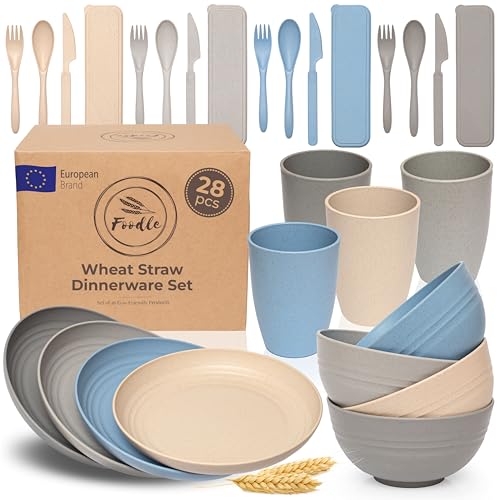
Camping Cups & Plates: The Complete Guide to Durable Outdoor Tableware
Discover how the right cups and plates can transform your camp dining experience. From lightweight backpacking sets to rugged family-friendly dinnerware, we break down everything you need to know before you buy.
EXPLORE MATERIALSWhy Tableware Matters at Camp: A well-chosen cup and plate set reduces pack weight, simplifies cleanup, and makes every meal more enjoyable. Whether you're sipping coffee at sunrise or serving dinner under the stars, the right gear makes a difference.
Why Your Camp Tableware Deserves Careful Consideration
When packing for a camping trip, most people focus on the big-ticket items: tents, sleeping bags, and stoves. But the humble cup and plate you use for every meal and drink can make or break your daily routine in the outdoors. A flimsy plate that buckles under a hearty stew or a cup that scalds your hands with hot coffee quickly becomes a source of frustration.
Investing in quality camping cups and plates is about more than just durability. It's about weight, packability, insulation, and ease of cleaning. A thoughtful selection ensures you spend less time struggling with your gear and more time enjoying the experience. If you're new to camping, our camping for beginners guide offers a solid foundation before you dive into specific gear choices.
Furthermore, the right tableware integrates seamlessly with your broader camp kitchen setup. A nesting cup that fits inside your camp cookset saves precious pack space, while a plate that doubles as a cutting board adds versatility. These small efficiencies add up, especially on multi-day trips or when you're backpacking and counting every ounce.
Materials Matter: Choosing the Right Camping Cups and Plates
The material of your camping cups and plates dictates nearly everything about their performance: weight, durability, heat retention, and how they handle the rough-and-tumble of outdoor life. Here's a breakdown of the most common options.
Enamelware: The Classic Choice
Enamelware, often made of steel coated with porcelain enamel, has been a camping staple for generations. It's durable, resistant to scratches and stains, and has a timeless aesthetic that many campers love. Enamel cups are excellent for hot drinks because the material retains heat well, though the exterior can get hot to the touch. Enamel plates are sturdy enough for hearty meals but are heavier than their plastic or titanium counterparts. For car campers and those who prioritize tradition over ultralight packing, enamelware is a top-tier choice.
Stainless Steel: Rugged and Reliable
Stainless steel cups and plates are virtually indestructible. They resist rust, handle high heat, and can be tossed into a campfire to warm up (though you'll need a handle or cloth to pick them up). The trade-off is weight—stainless steel is heavier than titanium or plastic. However, for family camping trips where weight isn't a primary concern, stainless steel offers exceptional value and longevity. A stainless steel plate can double as a makeshift cutting surface or even a shallow pan in a pinch.
Titanium: The Ultralight Option
Titanium is the darling of backpackers and ultralight enthusiasts. It's incredibly strong for its weight, resists corrosion, and doesn't impart any metallic taste to food or drink. Titanium cups are perfect for boiling water directly over a camp stove, and titanium plates are so light you'll barely notice them in your pack. The downside is cost—titanium sits firmly in the premium and luxury tiers. But for those who count every gram, it's an investment worth considering.
Plastic and BPA-Free Options: Lightweight and Budget-Friendly
Plastic camping cups and plates are the most affordable and lightweight option. Modern BPA-free plastics are food-safe, durable enough for typical camping use, and easy to clean. They won't retain heat or cold the way metal does, which makes them comfortable to hold but less ideal for insulating hot drinks. Plastic plates can warp if exposed to high heat, so keep them away from open flames. For casual campers and families, plastic tableware is a practical, budget-friendly entry point.
Silicone: Collapsible and Space-Saving
Silicone cups and plates are a relatively recent innovation that has gained popularity among campers who prioritize packability. They collapse flat, taking up minimal space in your pack or camping crates storage. Silicone is heat-resistant, flexible, and easy to clean. While not as rigid as metal or hard plastic, silicone tableware is a smart choice for backpackers and anyone with limited storage space. It's also gentler on teeth and less noisy than metal when you're eating in a quiet campground.
Key Features to Look For in Camping Cups and Plates
Beyond material, several design features can significantly impact your satisfaction with your camp tableware. Keep these in mind as you shop.
Nesting and Stackability
Space is at a premium in any camping setup. Look for cups and plates that nest or stack together. Many manufacturers design their tableware to fit inside one another, creating a compact bundle that slides easily into your camping back pack or camp kitchen bin. This is especially important for backpackers and those with smaller vehicles.
Insulation and Heat Retention
If you enjoy hot coffee or tea in the morning, consider a double-walled or insulated cup. These keep your drink warm longer and protect your hands from the heat. For plates, insulation is less critical, but a material that doesn't leach heat from hot food too quickly is a nice bonus.
Durability and Impact Resistance
Camping gear takes a beating. Look for cups and plates that can survive being dropped on rocks, shoved into a pack, and washed repeatedly. Enamelware can chip if dropped hard, while stainless steel and titanium are nearly indestructible. Plastic and silicone are more prone to scratches but won't shatter.
Ease of Cleaning
After a long day of hiking or exploring, the last thing you want is to scrub stubborn food residue off your plate. Smooth, non-porous materials like stainless steel, titanium, and hard plastic are the easiest to clean. Avoid materials with deep grooves or textured surfaces that trap food particles. A quick rinse with biodegradable soap and water should be all you need.
Multi-Functionality
Some of the best camping cups and plates serve more than one purpose. A deep plate can double as a bowl for soup or cereal. A sturdy cup can be used to measure water or scoop food. A plate with a raised edge can act as a shallow pan for frying eggs. Think about how each piece can earn its place in your pack by doing more than one job.
Types of Camping Cups: Finding Your Perfect Mug
Not all camping cups are created equal. Here's a look at the most common styles and their best use cases.
The Classic Enamel Mug
Iconic and charming, the enamel mug is a favorite among car campers and traditionalists. It's great for hot drinks, holds a generous amount, and looks great in photos. However, it can get hot on the outside, so a handle or a cloth wrap is essential. It's also heavier than other options, making it less ideal for backpacking.
The Insulated Travel Mug
If you can't start your day without a hot cup of coffee that stays hot, an insulated travel mug is your best friend. These cups use double-wall vacuum insulation to keep drinks warm for hours. They're heavier and bulkier than simple mugs, but the convenience is unmatched. Many come with lids to prevent spills, which is a lifesaver on windy mornings or bumpy car rides to the trailhead.
The Collapsible Silicone Cup
For backpackers and space-conscious campers, collapsible silicone cups are a game-changer. They flatten down to less than an inch thick, weigh almost nothing, and are surprisingly durable. They're not ideal for holding boiling water for long periods, but they're perfect for cold drinks, coffee that's already been brewed, or even as a makeshift bowl.
The Titanium Mug
Titanium mugs are the ultralight champion. They're incredibly light, strong, and can be placed directly on a camp stove or campfire to boil water. They cool down quickly, so you won't burn your hands as easily as with enamel. The main drawback is cost—titanium is a premium material—but for serious backpackers, it's often worth the investment.
Types of Camping Plates: From Mess Kits to Family-Style Dinnerware
Plates are the workhorses of your camp kitchen. Here are the most common types and what they offer.
Mess Kit Plates
A mess kit typically includes a plate, bowl, and sometimes a cup or utensils, all designed to nest together. These are compact, lightweight, and perfect for solo campers or backpackers. Mess kit plates are usually made of lightweight metal or hard plastic and are sized for single servings. They're not ideal for family-style meals, but they excel at portability.
Enamel Plates
Enamel plates are durable, classic, and easy to clean. They're heavier than plastic or titanium, but their weight gives them a satisfying, sturdy feel. They're perfect for car camping and family trips where weight isn't a concern. Enamel plates can chip if dropped, so handle them with care.
Stainless Steel Plates
Stainless steel plates are the rugged choice. They won't break, won't stain, and can handle any food you throw at them. They're heavier than other options, but for family camping or base camp setups, that weight translates to durability and peace of mind. Many stainless steel plates have a polished finish that makes them easy to wipe clean.
Silicone and Collapsible Plates
Collapsible silicone plates are a relatively new innovation. They fold flat for storage, making them incredibly packable. They're flexible, heat-resistant, and easy to clean. However, they can be floppy when holding heavy food, and they don't provide the rigid surface that some campers prefer. They're best for lightweight backpacking or as a backup plate.
Multi-Compartment Plates
Some camping plates feature compartments or dividers to keep different foods separate. These are great for picky eaters or for serving meals that include a main dish and sides. They're typically made of plastic or melamine and are a favorite for family camping trips. They can be bulkier than simple flat plates, but the convenience is worth it for many campers.
How to Choose the Right Camping Cups and Plates for Your Needs
With so many options available, narrowing down your choice can feel overwhelming. Here's a simple framework to guide your decision.
Consider Your Camping Style
Your camping style is the single biggest factor in choosing tableware. If you're a backpacker, prioritize lightweight materials like titanium or silicone. If you're a car camper, you can afford to bring heavier, more durable options like enamel or stainless steel. If you're a family camper, look for multi-compartment plates and large, sturdy cups that can handle kids. And if you're into glamping, you might prefer aesthetically pleasing enamelware or even ceramic-style plates.
Think About Group Size
Solo campers need only a single set of cup and plate, but families and groups need multiples. Consider buying a set that includes enough pieces for everyone, or mix and match individual pieces to create a custom set. Stackable and nestable designs are especially valuable for groups, as they save space and make packing easier.
Balance Weight and Durability
There's an inherent trade-off between weight and durability. Titanium is light but expensive; stainless steel is heavy but nearly indestructible; plastic is light and affordable but less durable. Decide what matters most to you. If you're hiking long distances, weight will likely win. If you're setting up a base camp for a week, durability might take priority.
Think About Maintenance
How easy is it to clean your cups and plates? Smooth, non-porous surfaces are the easiest to wipe down. If you're camping in an area without running water, you'll want tableware that can be cleaned with minimal water and effort. Avoid pieces with deep crevices or rough textures that trap food.
Plan for Multi-Functionality
The best camping gear does more than one thing. A cup that can also be used as a bowl, a plate that doubles as a cutting board, or a set that nests inside your camp cookset—these are the pieces that earn their keep. Think about how each item can serve multiple purposes in your camp kitchen.
Care and Maintenance Tips for Camping Cups and Plates
Proper care extends the life of your camp tableware and keeps it ready for your next adventure.
Cleaning in the Field
Use biodegradable soap and a small amount of water to clean your cups and plates after each meal. Scrape food scraps into a trash bag or pack them out—never leave food residue in the wild, as it attracts wildlife. A small scrubber or sponge is worth its weight in gold for tough messes. If water is scarce, a quick wipe with a damp cloth followed by a dry buff can suffice for minor residue.
Drying and Storage
Allow your cups and plates to dry completely before packing them away. Moisture trapped in a stuff sack or storage bin can lead to mold and odors. If you're packing up camp in a hurry, wipe everything down with a dry cloth and let it air out at home before storing. Nesting sets should be separated slightly to allow airflow.
Dealing with Stains and Odors
Enamel and stainless steel can sometimes develop stains from coffee or acidic foods. A paste of baking soda and water can help remove stubborn stains. For plastic and silicone, a vinegar soak can neutralize odors. Avoid using abrasive cleaners on enamel, as they can scratch the surface and lead to chipping.
Protecting Enamelware
Enamelware can chip if dropped or knocked against hard surfaces. To minimize the risk, store enamel cups and plates with a cloth or paper towel between them. If a chip does occur, the exposed metal can rust over time. You can touch up small chips with food-safe enamel paint, but large chips may mean it's time to replace the piece.
Building a Complete Camp Kitchen Around Your Tableware
Your cups and plates are just one part of a well-rounded camp kitchen. Here's how they fit into the bigger picture.
Pair with the Right Cookware
A camp cookset is the foundation of your camp kitchen. Look for a set that includes pots, pans, and perhaps a kettle, all designed to nest together. Your cups and plates should complement the cookset in terms of material and packability. For example, titanium cups pair well with titanium cookware for a cohesive ultralight setup.
Don't Forget Utensils
Your cups and plates need companions. A set of camping utensils—spork, knife, and perhaps a small spatula—is essential. Look for utensils that are durable, easy to clean, and preferably made of the same material as your tableware for a cohesive look and feel.
Consider a Camp Table and Chairs
Where will you eat? A camping table and a comfortable camping chair complete the dining experience. A stable table makes mealtime more enjoyable, especially if you're preparing and eating multiple courses. A chair with a cup holder is a nice touch for keeping your drink secure.
Add a Camp Kettle for Hot Drinks
If you're a coffee or tea lover, a camping kettle is a worthwhile addition. It heats water quickly and pours cleanly, making your morning routine smoother. Pair it with your insulated or enamel cup for a perfect start to the day.
Organize with Storage Solutions
A camping crate or a dedicated camp kitchen bag keeps your tableware organized and protected. Look for a bin that's easy to carry, stackable, and sized to fit your plates and cups without rattling around. Mesh bags or dedicated stuff sacks can also keep individual pieces separated.
Common Mistakes to Avoid When Buying Camping Cups and Plates
Even experienced campers can make mistakes when choosing tableware. Here are a few pitfalls to watch out for.
Overlooking Packability
It's easy to fall in love with a beautiful set of enamel plates, only to realize they take up half your pack. Before you buy, think about how the cups and plates will fit into your existing gear. Nesting and stackable designs are almost always worth the extra consideration.
Choosing Style Over Substance
Aesthetics matter, but function matters more. A cup that looks great but burns your hand or a plate that's too small for a real meal will quickly become a source of annoyance. Prioritize features that support your actual camping habits.
Ignoring Insulation Needs
If you love hot drinks, don't settle for a single-wall metal cup that burns your fingers. An insulated mug or a double-wall design is a small upgrade that pays off every morning. Similarly, if you camp in cold weather, consider how quickly your food will cool on a metal plate. A thicker material or a lid can help retain heat.
Forgetting About Cleanup
Some materials, like textured plastic or certain coated metals, can be difficult to clean in the field. If you're camping without access to running water, choose smooth, non-porous materials that wipe clean easily. A plate that requires scrubbing is a plate you'll dread using.
Buying Cheap, Buying Twice
While budget-friendly options have their place, ultra-cheap camping cups and plates often fail at the worst possible moment. A cracked plate or a leaky cup can ruin a meal. Spend a little more for quality that will last through multiple seasons. The entry-level tier is fine for occasional use, but if you camp regularly, consider stepping up to mid-range or premium options.
Final Thoughts: Elevate Your Camp Dining Experience
Camping cups and plates are more than just containers for food and drink. They're the tools that make mealtime at camp a pleasure rather than a chore. By choosing the right materials, designs, and features, you can enjoy hot coffee that stays hot, meals that stay organized, and cleanup that's quick and easy.
Remember to consider your camping style, group size, and priorities when making your selection. Whether you opt for rugged enamelware, ultralight titanium, or packable silicone, the right choice will serve you well for years of outdoor adventures. And when you're ready to complete your camp kitchen, explore our guides to camp kitchen setups, camp cooking techniques, and campfire cooking for more inspiration.
With the right tableware in your pack, every meal under the open sky becomes a little more enjoyable. Happy camping!
Continue Exploring: Now that you've mastered camp tableware, dive deeper into other essential gear. Learn about camping cups and plates (this page), discover the best camping coolers for keeping food fresh, or explore our camping essentials checklist to make sure you never forget a critical item again.