Complete Guide to Camping Coolers
From hard coolers and soft coolers to electric-powered options, find the perfect cooler to keep your food and drinks fresh on every camping trip.
Why the Right Cooler Matters: A reliable camping cooler is essential for food safety, drink freshness, and overall trip enjoyment. Whether you're planning a weekend getaway or a week-long expedition, understanding cooler types—hard vs. soft, rotomolded vs. injection-molded, and electric vs. passive—will help you choose the right one for your camping style, vehicle space, and budget [citation:4][citation:12].
Understanding Cooler Types
Before diving into specific models, it's helpful to understand the main categories of camping coolers. The best choice depends on factors like trip length, group size, available space, and whether you have access to a power source.
Hard Coolers
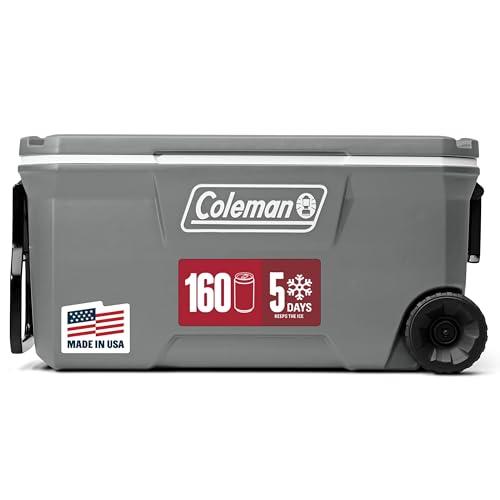
Hard coolers are the classic choice for car camping and longer trips. They offer superior ice retention and durability, especially rotomolded models like the Yeti Tundra, which are built as a single piece for maximum strength. However, they are heavier—a 45-quart Yeti Tundra weighs about 25 pounds empty [citation:4][citation:12]. Injection-molded hard coolers, like the Dometic Recon, are lighter and often more affordable while still providing impressive performance [citation:4][citation:8]. New innovations like the Coleman Snap 'N Go offer collapsible hard coolers that fold flat to the size of a briefcase when not in use [citation:1].
Soft Coolers
Soft coolers are lighter and more portable, making them ideal for day trips, short outings, and backpacking. They are easier to carry and store, and many high-end models offer excellent ice retention [citation:9][citation:10]. Backpack-style soft coolers from brands like Yeti, RTIC, and Dometic are comfortable to wear and can hold a surprising amount of gear [citation:3]. The main trade-off is durability and ice retention compared to hard coolers.
Electric / Powered Coolers
Electric coolers are a game-changer for overlanding and extended trips. They act as a portable fridge or freezer, eliminating the need for ice. Models like the Dometic CFX5 3 and Anker Solix EverFrost 2 can maintain precise temperatures and even charge your devices [citation:2][citation:11]. However, they require a reliable power source, are heavier, and come at a premium price. The Anker Solix EverFrost 2 is praised for its quick cooling—able to drop from 77°F to 32°F in 15 minutes on Max mode [citation:11]. The Solo Stove Windchill goes a step further by doubling as a portable air conditioner, though this accelerates ice melt [citation:5].
Portable Coolers & Specialty Options
For compact needs or specific situations, portable coolers like the VEVOR 24QT offer a balance of size and performance [citation:14]. Some brands also offer wheeled coolers and coolers with integrated features like cup holders and cutting boards [citation:6].
Key Features to Consider
❄️ Ice Retention
Measured in hours or days. High-end coolers can retain ice for 3-5 days or more [citation:2]. Budget models may only last 24-48 hours [citation:1][citation:6].
📏 Capacity
Measured in quarts or liters. For solo weekend trips, 25-40L is sufficient. For families or groups, look for 50L+ [citation:7]. Consider if you're cooling food and drinks or just one.
⚖️ Weight & Portability
Empty weight matters when lifting and carrying. Lighter coolers are easier to transport, but may sacrifice durability or ice retention [citation:4][citation:12].
🔋 Power Source (for electric coolers)
Consider your camping setup. Do you have a portable power station, solar panels, or a 12V car outlet? Electric coolers require a steady power supply [citation:7][citation:11].
🔧 Construction & Durability
Rotomolded coolers are the most durable but heavy. Injection-molded are lighter and more affordable [citation:4]. Consider your intended use and environment.
💰 Price
Cooler prices range widely. Budget options like the VEVOR Portable Cooler are priced around $85, while premium rotomolded or electric coolers can cost $200–$450+ [citation:1][citation:5][citation:6].
Choosing the Right Cooler Size
Selecting the appropriate capacity is crucial. Here's a general guide based on trip style:
- Solo or Couple (Weekend): 25-40 liters. Enough for perishables and drinks for 1-2 days [citation:7].
- Two Adults (Long Weekend): 35-45 liters. Balances space and packability [citation:7].
- Family or Group: 45-65 liters. Provides room for multiple meals and kid-friendly snacks [citation:7].
- Extended Trips (5+ days): 70+ liters or an electric cooler with dual-zone capabilities [citation:7].
Remember, if you're using your cooler for both food and drinks, go larger than you think you need—drinks take up a lot of space and frequent opening and closing can accelerate ice melt [citation:7].
Why a Quality Cooler Is Essential for Camping
A reliable camping cooler does more than just keep your beer cold. It's fundamental to food safety, preventing perishable items from spoiling in warm weather. This reduces waste and risk of foodborne illness. A well-insulated cooler also means you spend less time and money on buying ice, and more time enjoying the outdoors. For those camping in bear country, a durable cooler is also an important part of a food storage strategy to keep wildlife safe and away from your camp.
Pro Tips for Maximizing Cooler Performance
- Pre-chill: Cool down your cooler and food before packing. Use ice packs or store the cooler in a cool place overnight.
- Layer properly: Pack a layer of ice at the bottom, then food, then more ice. Keep drinks separate if possible to minimize opening.
- Use block ice: Block ice melts slower than cubes. Freeze water in large containers for longer-lasting ice.
- Limit openings: Decide what you need before opening the cooler. Every time you open it, cold air escapes.
- Keep it shaded: Place your cooler under a table or tree to avoid direct sunlight, which speeds up ice melt [citation:6].
Popular Cooler Models Comparison
* Prices and specifications are approximate and may vary. Always check the latest details before purchasing.
Frequently Asked Questions
Q: How long do coolers keep ice?
Ice retention varies widely. Budget coolers may last 24 hours, while high-end rotomolded coolers can keep ice for 3-5 days or more in moderate conditions [citation:1][citation:2].
Q: What's the difference between rotomolded and injection-molded coolers?
Rotomolded coolers (like Yeti) are more durable and have better ice retention but are heavier and more expensive. Injection-molded (like RTIC Ultra-Light) are lighter and more affordable but may not last as long or keep ice as well [citation:4][citation:12].
Q: Are electric coolers worth it?
Yes, for extended trips or if you want to avoid the hassle of ice. They provide consistent cooling and can even freeze food. However, they require a reliable power source and are significantly more expensive [citation:2][citation:7].
Q: How do I choose the right cooler size?
Consider your group size and trip length. A good rule of thumb: 1-2 people for a weekend ≈ 25-40L; family or group trips ≈ 50L+ [citation:7].
Ready to Find Your Perfect Camping Cooler?
Browse our curated selection of top-rated coolers. Your next outdoor adventure starts with the right gear.
Shop Top-Rated Coolers