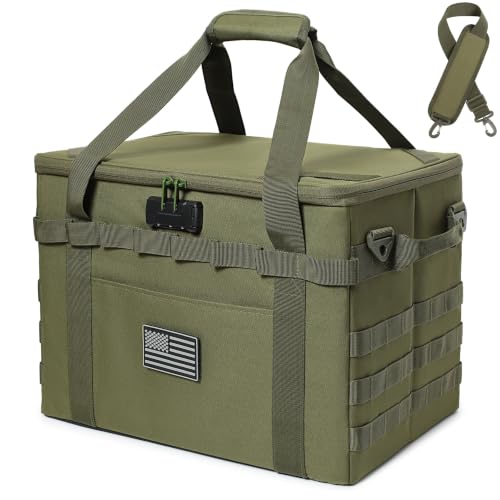
The Ultimate Camping Box Guide: Portable Kitchens & Gear Storage
Streamline your outdoor adventures with the right camping box. Discover how to organize your camp kitchen, protect your gear, and make every trip more efficient.
EXPLORE TOP PICKSWhy a Camping Box Matters: A well-designed camping box transforms chaos into convenience. Whether you are a weekend car camper or a seasoned overlander, having a dedicated storage and kitchen solution means less time searching for gear and more time enjoying the outdoors. This guide will help you understand the features, types, and benefits of camping boxes so you can choose the perfect one for your needs.
What Exactly Is a Camping Box?
A camping box—sometimes called a chuck box, camp kitchen box, or gear storage trunk—is a portable container designed to organize and transport your camping essentials. Unlike a simple plastic tote, a dedicated camping box often includes compartments, dividers, and sometimes integrated features like fold-out tables, stove stands, or utensil holders. It serves as a centralized hub for your cooking gear, dry goods, tools, and personal items, making setup and teardown significantly faster.
For those who prefer a more structured approach to camp cooking, pairing a camping box with a portable camp kitchen can create a fully functional outdoor cooking station. Similarly, if you are looking to streamline your entire packing system, combining a camping box with a camping crate storage setup can help you categorize gear by activity or meal type.
Key Features to Look For in a Camping Box
Durability & Materials
Look for rugged materials like heavy-duty plastic, powder-coated steel, or marine-grade plywood. Entry-level models often use standard plastic, while mid-range and premium options feature reinforced corners, weather-resistant seals, and UV-stabilized polymers to withstand years of outdoor exposure.
Organization & Compartments
Adjustable dividers, removable trays, and dedicated slots for utensils, spices, and plates make a huge difference. High-end camping boxes often include modular storage systems that let you customize the interior layout based on your specific gear.
Portability & Weight
Consider how you will transport the box. Built-in handles, wheels, or shoulder straps are essential for heavier loads. Budget-friendly boxes tend to be lighter but less durable, while premium models may be heavier but offer superior construction and ergonomics.
Integrated Features
Some camping boxes come with fold-out side tables, integrated LED lights, or even a built-in stove windbreak. These features can turn a simple storage box into a complete camp kitchen. If you plan to cook extensively, look for models that pair well with a camping grill or a camp stove.
Types of Camping Boxes: Which One Suits You?
Camping boxes come in several designs, each tailored to different camping styles. Understanding the distinctions will help you make an informed decision.
1. Traditional Chuck Boxes
Inspired by cowboy chuck wagons, these boxes typically feature a vertical design with a fold-down door that doubles as a prep surface. They are ideal for car campers who want a dedicated cooking station. Many traditional chuck boxes are made of wood or heavy-duty plastic and can be quite substantial, so they are best for basecamp-style trips rather than backpacking.
2. Modular Storage Boxes
These are versatile, stackable boxes that can be customized with dividers and inserts. They are excellent for organizing dry goods, tools, and small gear. Brands like Pelican, Plano, and Yeti offer rugged modular options. If you already use a camping cooler and want a matching storage system, modular boxes are a great choice.
3. Integrated Camp Kitchen Boxes
These are the most feature-rich options, often including a built-in stove stand, fold-out tables, and utensil hooks. They are heavier and more expensive (premium tier) but offer unmatched convenience. If you frequently prepare elaborate meals outdoors, this type of box can replace multiple separate items, including a camp cookset and camping cups and plates.
Pros and Cons of Using a Camping Box
Advantages
- Keeps gear organized and easy to find
- Speeds up camp setup and pack-down
- Protects equipment from moisture, dust, and pests
- Creates a dedicated cooking and prep area
- Reduces the risk of forgetting essential items
- Can double as a table or seating surface in some designs
Disadvantages
- Adds weight and bulk to your vehicle
- High-end models can be a significant investment
- Not ideal for backpacking or minimalist camping
- Requires dedicated storage space at home
- Some models may be cumbersome to carry over long distances
How to Choose the Right Camping Box for Your Adventures
Selecting a camping box is a personal decision based on your camping style, group size, and cooking habits. Here are a few guiding questions:
- What type of camper are you? If you are a car camper or RV camper, a larger, feature-rich box is ideal. If you are a backpacker, you likely need a lightweight, compact storage solution—or none at all.
- How many people are you cooking for? A solo camper may only need a small organizer, while a family camping trip requires a larger box with more compartments.
- What gear do you already own? If you already have a camping stove and a camping cookware set, look for a box that accommodates those specific items.
- What is your budget tier? Entry-level boxes are functional but basic. Mid-range boxes offer better materials and organization. Premium boxes provide integrated features, superior durability, and often a more refined user experience.
- Do you need weather resistance? If you camp in wet or humid conditions, look for boxes with gaskets, sealed lids, and rust-resistant hardware. Pairing your box with a camping tarp can add an extra layer of protection.
For those who want to keep their camp kitchen ultra-organized, consider combining a camping box with a camping kitchen setup or a camp cookset that nests neatly inside. If you are planning a longer trip, a camping meals prepared ahead of time strategy works beautifully with a well-stocked camping box.
Maintenance & Organization Tips for Your Camping Box
To get the most out of your camping box, follow these simple practices:
- Clean after every trip: Wipe down surfaces, remove crumbs, and allow the box to dry completely before storing. This prevents mold and odors.
- Use dividers and labels: Assign specific compartments for utensils, spices, dry goods, and cleaning supplies. Labeling saves time and reduces frustration.
- Keep a checklist: Tape a laminated checklist inside the lid so you can quickly verify you have everything before leaving. Our camping checklists can help you build a comprehensive list.
- Protect from the elements: If your box is not fully waterproof, store it inside a camping tarp or under a canopy (if available) during rainy trips.
- Repair promptly: Fix loose hinges, broken latches, or cracked corners immediately to extend the life of your box.
Frequently Asked Questions About Camping Boxes
Is a camping box worth it?
Absolutely, if you value organization and efficiency. A camping box eliminates the scramble for gear and creates a dedicated cooking station, making your outdoor experience far more enjoyable. For frequent campers, it is a game-changer.
Can I use a regular plastic tote as a camping box?
Yes, you can, but it lacks the organization and durability of a purpose-built camping box. A standard tote may crack, lacks compartments, and does not offer the same level of protection against moisture or impact.
How do I keep my camping box organized?
Use dividers, small containers, and labels. Group items by function (e.g., cooking, cleaning, dry goods). After each trip, take a few minutes to reorganize and restock. This habit keeps your box ready for the next adventure.
Are expensive camping boxes better?
Not always, but premium models often offer superior materials, better weather sealing, and integrated features that enhance convenience. Mid-range options frequently provide the best balance of quality and value for most campers. For a deeper dive into tent pricing, see our article are expensive tents worth it, which applies similar logic to camping boxes.
Can I take a camping box backpacking?
Traditional camping boxes are too heavy and bulky for backpacking. Backpackers typically use ultralight stuff sacks and organizers. If you are new to backpacking, start with our backpacking checklists to understand what to carry.
Final Thoughts: Elevate Your Camping Experience
A camping box is more than just a storage container—it is a tool for a smoother, more organized outdoor adventure. By choosing a box that matches your camping style, you invest in convenience, protection for your gear, and a more enjoyable time in nature. Whether you opt for a simple modular box or a full-featured camp kitchen, the right camping box will quickly become an indispensable part of your gear collection. Ready to get organized? Explore our recommended camping boxes below and find your perfect match.