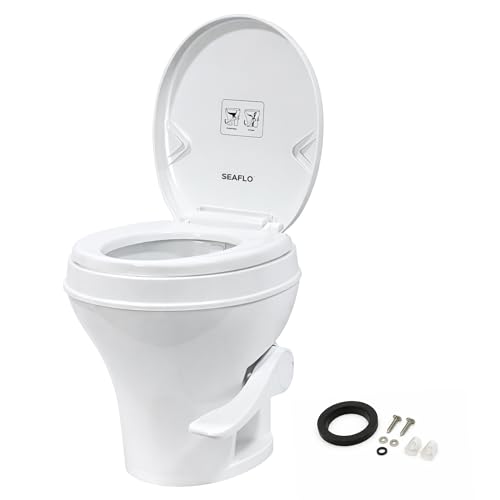
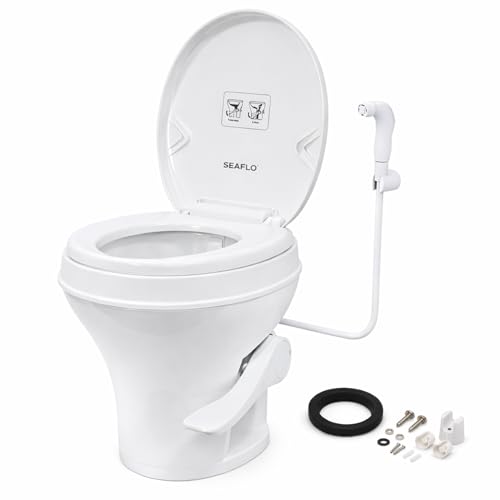
Camper RV Toilet: The Complete Guide for Every Traveler
Whether you're upgrading your motorhome or looking for a portable solution, find the right camper RV toilet for your adventures. Compare types, features, and maintenance tips.
EXPLORE TOILET OPTIONSWhy a dedicated RV toilet matters: A reliable camper RV toilet transforms your travel experience, offering comfort, hygiene, and independence. This guide helps you choose the best system for your rig, budget, and lifestyle.
Understanding Camper RV Toilet Types
Choosing a camper RV toilet is one of the most important decisions for your mobile bathroom. There are three main categories: portable toilets, cassette toilets, and composting toilets. Each has distinct advantages depending on how you camp. Portable models are entry-level and flexible, often used in smaller campers or tents. Cassette toilets are mid-range and built into many RVs, offering a pull-out tank for easy emptying. Composting toilets are premium, eco-friendly alternatives that separate liquid and solid waste, reducing odor and water use. For a deeper dive into portable options, see our guide on RV portable toilet systems. If you prefer a DIY approach, a camping toilet bucket with specialized bags can be a budget-friendly backup.
Key Features to Compare
When evaluating camper RV toilets, focus on capacity, flushing mechanism, installation, and maintenance. High-end composting toilets often have larger solid waste bins and advanced venting, while mid-tier cassette models provide a balance of convenience and portability. Entry-level portable toilets are lightweight and require manual emptying. Consider water usage: cassette and portable models use flush water, whereas composting toilets use little to none. For those who camp in diverse environments, a portable toilet bags system can complement your main toilet. Also, think about space—a car portable toilet is compact enough for a car camping setup, while built-in models suit larger RVs. If you're outfitting a camper with limited space, a camper RV toilet designed for tight areas is essential.
Installation and Maintenance Tips
Proper installation ensures years of reliable service. Cassette toilets require a vented compartment and a secure floor mount. Composting toilets need a vent hose to the exterior and a stable, level base. Portable toilets need no installation but should be secured during travel. Regular maintenance includes using RV-specific toilet paper, rinsing tanks, and lubricating seals. For composting models, empty solids every few weeks and liquids more frequently. Always follow the manufacturer's guidelines. If you're also setting up an outdoor shower, an outdoor shower camper can be paired with your toilet for a complete hygiene station. And for privacy, a tent for shower works well alongside a portable toilet. Don't forget that a camping toilet bucket can serve as an emergency backup on long trips.
Best Practices for Odor Control
Odor is the top concern for RV toilet users. Ventilation is critical: ensure your toilet compartment has a fan or roof vent. Use enzyme-based deodorizers designed for RV systems. For composting toilets, keep the solids bin dry and add bulking material like coconut coir. For cassette and portable models, empty frequently and rinse thoroughly. Avoid harsh chemicals that can damage seals. A well-maintained camper RV toilet should not emit noticeable odors. If you're camping in a camper with a wet bath, consider a RV portable toilet as a secondary unit. Also, a portable toilet bags system can be a quick fix for emergencies. For those who want a permanent solution, a camping toilet bucket with a sealing lid is a simple alternative.
Choosing the Right Toilet for Your Camper
Match your toilet to your camping style. Weekend warriors often prefer cassette toilets for their ease of use and mid-range cost. Full-timers and boondockers lean toward composting toilets for their low water use and infrequent emptying. Families with large groups might opt for a portable toilet with high capacity. If you're building a DIY camper, a RV portable toilet is a great starting point. For those who camp in a car, a car portable toilet is compact and convenient. And if you need a backup for emergencies, a camping toilet bucket is a smart addition. Remember that a portable toilet bags system can be used with most portable toilets for easy cleanup. For a complete hygiene setup, pair your toilet with an outdoor shower camper and a tent for shower.
Frequently Asked Questions
What is the best type of toilet for a camper RV?
The best type depends on your camping style. Cassette toilets are convenient for weekend trips, portable toilets offer flexibility, and composting toilets are ideal for eco-conscious, long-term travelers. Consider space, dumping frequency, and water usage.
How often do you need to empty a camper RV toilet?
Emptying frequency varies by model and use. A cassette toilet typically lasts 2–4 days for two people. Portable models may need daily emptying. Composting toilets can last weeks, depending on capacity and usage.
Can you use regular toilet paper in an RV toilet?
It's best to use rapid-dissolving RV-specific toilet paper to prevent clogs and ensure proper breakdown in holding tanks or cassettes. Regular paper can cause blockages and odor issues.