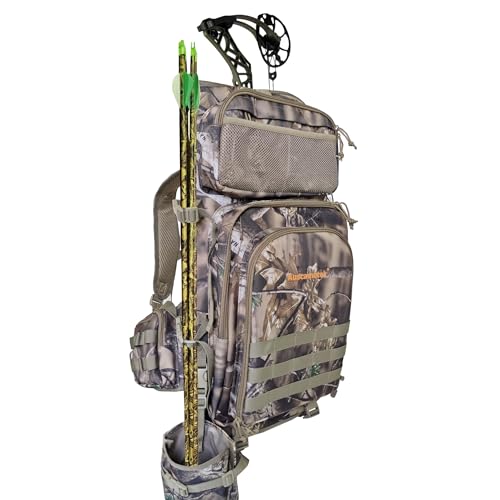
Bow Hunting Backpack: The Ultimate Gear & Buying Guide
Find the perfect pack for your archery adventures. Learn how to choose, organize, and use a bow hunting backpack for treestand, spot-and-stalk, and day hunts.
START READINGWhy a dedicated bow hunting backpack matters: A bow hunting backpack is not just a container—it's a system that carries your bow, arrows, calls, scent control items, and field-dressing tools while keeping your hands free for glassing, calling, or navigating. The right pack distributes weight, provides quick access to critical gear, and stays quiet when you're within earshot of game.
Types of Bow Hunting Backpacks
Different hunting styles demand different pack designs. Understanding the primary categories helps you narrow your search before evaluating specific features.
Daypack (15–30L)
Ideal for half-day or full-day hunts near the truck or a base camp. Carries essentials: water, snacks, calls, release, small first-aid kit, and a light layer. Many models include a bow or rifle carrier. Good backpacking meals can fit in these packs for extended sits.
Treestand Pack (20–35L)
Designed for whitetail and similar treestand hunting. Often features a narrow profile, quiet fabric, and multiple attachment points for a harness and bow hanger. Some integrate with a treestand or climbing sticks.
Spot-and-Stalk / Western Pack (30–50L)
Built for covering miles in rugged terrain. These packs emphasize load stability, hydration compatibility, and often include a meat shelf or load-hauling capability. Bow carrier is usually a side or center mount.
Multi-Day / Expedition (50L+)
For backcountry bow hunts where you carry camp on your back. These packs must handle heavy loads, offer a robust frame, and include a bow carrier that doesn't interfere with trekking poles or a rifle. Winter camping gear may also be relevant for late-season hunts.
Key Features to Evaluate
When comparing bow hunting backpacks, focus on these core attributes. They determine comfort, functionality, and how well the pack integrates with your bow and other gear.
| Feature | What to Look For | Why It Matters |
|---|---|---|
| Bow Carry System | Side compression straps, dedicated bow pocket, or center-mounted hook. Quick-release buckles are a plus. | Keeps your bow secure while climbing or navigating, and allows fast access when an opportunity arises. |
| Fabric & Quietness | Brushed polyester, fleece-lined pockets, or quiet tricot. Avoid noisy nylon if stalking close-range game. | Noise spooks animals. Quiet fabric is essential for bowhunting, especially in close quarters. |
| Hydration Compatibility | Sleeve for a bladder, hose routing, and a hang loop. Insulated sleeves help prevent freezing. | Staying hydrated on long sits or stalks is critical. A dedicated bladder keeps water accessible without removing the pack. |
| Organization & Access | Multiple compartments, gear loops, molle webbing, and a fleece-lined rangefinder pocket. | You need to reach calls, release, rangefinder, and wind checker without unpacking everything. Good organization saves time and reduces movement. |
| Frame & Suspension | Internal frame or framesheet, padded hip belt, load lifters, and breathable back panel. | A proper frame transfers weight to your hips, reducing shoulder fatigue—crucial when carrying meat or heavy gear. |
| Meat Hauling | Removable meat shelf, load sling, or expandable main compartment. | If you hunt in areas where you must pack out game, a meat shelf keeps weight close to your back and separate from your gear. |
Choosing by Hunting Style
Your primary hunting method should guide your pack choice more than any other factor. Here's how to match a pack to your style.
Treestand Hunting
Prioritize a quiet, compact pack with a narrow profile. Look for a bow hook or strap that keeps your bow vertical and accessible while climbing. A pack that doubles as a gear organizer for your harness and lineman's rope is ideal. Many hunters prefer a pack with a separate compartment for scent-control clothing. If you use a campfire starter kit for evening warmth, ensure it fits in an outer pocket.
Spot-and-Stalk
Mobility and silence are paramount. Choose a pack with a stable frame that won't shift when you crouch or crawl. A side-mounted bow carrier or a quick-detach system allows you to drop the pack and draw quickly. Hydration access and a rangefinder pocket on the hip belt or chest strap are highly valuable.
Ground Blind Hunting
You'll likely carry more comfort items and perhaps a chair. Look for a pack with a wide opening and multiple organizer pockets. A pack that can hang inside the blind keeps gear off the ground. Consider a slightly larger daypack (30–35L) to accommodate layers, snacks, and a portable power station for charging devices.
Backcountry / Multi-Day
Load capacity and suspension become critical. You'll need a pack that can carry 40–60 pounds comfortably, including camp and potentially meat. A modular system with a removable lid or meat shelf is a major advantage. Ensure the bow carrier doesn't interfere with trekking poles or a rifle. For extended trips, a satellite communicator is a smart addition.
How to Organize Your Bow Hunting Backpack
A well-organized pack reduces movement and noise. Here's a proven layout system used by experienced bowhunters.
Core Essentials (Always Accessible)
- Release aid (spare in a pocket)
- Rangefinder (fleece-lined pocket)
- Wind checker (outer pocket)
- Bow hook / hanger
- Water bladder hose
- Small snack (energy bar)
Secondary Gear (Main Compartment)
- Extra layers (quiet fabric)
- First-aid kit
- Field-dressing gloves & knife
- Game bags
- Headlamp (with spare batteries)
- Emergency shelter / space blanket
Pro Tip: Use small stuff sacks or pouches to group items. Color-code or label them. This keeps everything in place and makes it easy to find gear in low light. Avoid hanging items on the outside of your pack—they catch on brush and create noise.
Tier Comparison: Finding Your Match
Bow hunting backpacks fall into distinct tiers based on materials, suspension, and features. Use this framework to align your expectations with real-world performance.
| Tier | Typical Characteristics | Best For |
|---|---|---|
| Entry-Level | Simple design, basic materials, limited organization. May lack a true frame or hydration sleeve. Bow carry is often a simple strap. | Occasional hunters, beginners, or those on a tight budget who hunt close to home. |
| Mid-Range | Improved suspension, quieter fabrics, dedicated bow carrier, hydration compatibility, and multiple compartments. Often includes a meat shelf or load sling. | Serious weekend hunters who want reliability and comfort for full-day hunts. |
| Premium | High-quality materials, advanced frame systems, modular features, and exceptional load stability. Often designed with input from professional hunters. | Dedicated bowhunters who hunt frequently, cover rugged terrain, and demand the best performance. |
| Luxury | Top-tier materials, fully modular, custom-fit suspension, and often handmade or limited production. May include specialized bow and rifle carriers. | Backcountry expeditions, guided hunts, or hunters who want the ultimate in comfort and durability. |
Entry-level packs are typically heavier and less comfortable under load. Mid-range models usually offer the best balance of features and durability. Premium and luxury tiers provide refined suspension and materials that reduce fatigue on long stalks or pack-outs. For more on how gear choices affect your overall hunt, see our camping FAQ.
Maintenance & Longevity
Your bow hunting backpack is an investment. Proper care extends its life and ensures it performs when it matters.
Cleaning
Empty all pockets and shake out debris. Use a soft brush or damp cloth with mild soap. Avoid harsh detergents or machine washing, which can damage coatings and zippers. Air dry away from direct heat.
Zipper Care
Keep zippers clean and lubricated with a silicone-based zipper lubricant. Avoid forcing zippers—if they stick, clear the obstruction. Broken zippers are a common failure point; a repair kit can save a trip.
Storage
Store your pack in a cool, dry place. Avoid compressing it for long periods, which can deform foam and frames. Hang it or stuff it loosely to maintain shape.
Repairs
Carry a small repair kit with needle, thread, and spare buckles. Field repairs can prevent a minor issue from ruining your hunt. Many premium packs come with repair services or spare parts.
Frequently Asked Questions
Ready to find the perfect bow hunting backpack? Explore our recommended gear below, selected for performance and value.
SEE RECOMMENDED BACKPACKS