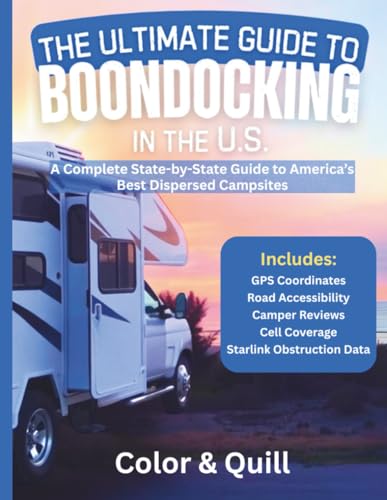
Boondocking Camping Guide
Master the art of free, self-contained camping on public lands. Discover the best gear, find hidden campsites, and camp off-grid with confidence.
What is Boondocking Camping?
Boondocking (also known as dispersed camping or dry camping) is the ultimate way to experience the wilderness without the crowds and fees of traditional campgrounds. It means camping entirely self-contained—no hookups, no amenities, just you, your gear, and the great outdoors.
Boondocking is typically done on public lands managed by the Bureau of Land Management (BLM) or the U.S. Forest Service. It's a favorite among RVers, vanlifers, and tent campers who value solitude, freedom, and a deeper connection with nature.
Why Choose Boondocking?
💰 Cost-Free
Most boondocking sites are completely free. No nightly fees, no reservation costs—just pure wilderness.
🌲 Seclusion
Escape the noise and crowds. Many boondocking spots are miles from the nearest road, offering true solitude.
🌟 Flexibility
No fixed campsites. You can stay as long as regulations allow (usually 14 days) and move whenever you like.
📸 Adventure
Wake up to sunrise over a desert mesa or fall asleep to the sound of a mountain stream. Every site is unique.
For many campers, boondocking is the purest form of camping. It strips away the distractions and lets you focus on what matters: nature, exploration, and self-sufficiency.
Essential Boondocking Gear
Boondocking requires more preparation than traditional camping because you're entirely self-contained. Here's the gear you'll need to stay comfortable, safe, and self-sufficient.
Power & Energy
Without hookups, you need reliable power. Portable power stations and solar chargers are essential for keeping your devices, lights, and small appliances running. For longer stays, consider a quiet camping generator with a fuel-efficient inverter.
Water Management
Carry enough water for drinking, cooking, and washing. A high-quality water filter or purifier lets you safely use natural water sources. For washing, use biodegradable soap and a collapsible basin to minimize environmental impact.
Comfort & Shelter
Your shelter must handle off-grid conditions. A sturdy 4-season tent or a roof-top tent is ideal. For sleeping, invest in a winter sleeping bag rated for colder nights and a comfortable camping air mattress with a built-in pump.
Waste & Sanitation
Pack out everything you bring. A pop-up privacy tent with a portable toilet system is a game-changer. Use a biodegradable soap and a portable shower for longer stays.
How to Find Boondocking Campsites
Finding the perfect boondocking spot is part of the adventure. Here are the best ways to locate free, legal campsites on public lands:
- Use Apps & Websites: Apps like Campendium, iOverlander, and FreeRoam are invaluable. They show user-submitted boondocking locations with reviews, photos, and road conditions.
- Check BLM & Forest Service Maps: Many agencies publish motor vehicle use maps (MVUMs) that show where dispersed camping is allowed. Look for areas marked "dispersed camping" or "backcountry camping."
- Look for Established Sites: While boondocking is "dispersed," you'll often find fire rings or pullouts where others have camped before. These sites usually have a minimal impact and are easier to access.
- Respect Regulations: Most public lands allow up to 14 days of camping in a 28-day period. Always check local rules about campfires, waste disposal, and vehicle access.
For the best experience, scout your location online before you go, and have backup spots in mind. BLM rules and National Park regulations vary, so always do your homework.
Boondocking Safety & Leave No Trace
Boondocking demands a higher level of responsibility. Follow these principles to stay safe and protect the wilderness.
Safety Essentials
- Tell Someone Your Plan: Share your itinerary and expected return time with a trusted contact. Consider a satellite communicator for areas without cell service.
- Prepare for Emergencies: Carry a first aid kit, extra food and water, and an emergency shelter. Know what to do if you get lost.
- Weather Awareness: Check weather apps and be prepared for sudden changes. Boondocking often means being exposed, so pack accordingly.
Leave No Trace
- Pack It In, Pack It Out: Carry all trash, food scraps, and waste out with you. Leave no trace of your visit.
- Bury Human Waste: If you don't have a portable toilet, dig a 6-8 inch deep hole at least 200 feet from water sources.
- Minimize Campfire Impact: Use established fire rings only. Observe fire bans and practice campfire safety.
Top Boondocking Destinations
Some of the best boondocking spots in North America are on BLM land, National Forests, and remote state parks. Here are a few classics to put on your list:
- Quartzsite, Arizona: The mecca of boondocking, with endless BLM land and a vibrant community of winter visitors.
- Alabama Hills, California: Stunning rock formations and easy access to Mount Whitney. Popular with vanlifers and photographers.
- Bureau of Land Management (BLM) Utah: From the red rocks of Moab to the solitude of the San Rafael Swell, Utah's BLM land is world-class.
- National Forests in Colorado: Dispersed camping is abundant in the Rockies. Try the San Juan National Forest for high-altitude boondocking.
For more inspiration, explore our camping destinations guide and BLM camping page for detailed information on specific regions.
Ready to Boondock?
Boondocking is more than a camping style—it's a mindset. It's about self-reliance, adventure, and respect for the land. Whether you're in a fully-equipped RV or a simple tent, the freedom of off-grid camping is an experience every outdoor enthusiast should try at least once.
Start small: find a nearby BLM area, test your gear, and spend a weekend away from it all. With proper preparation and a spirit of adventure, you'll discover why boondocking is one of the most rewarding ways to camp.
Ready to gear up? Check out our recommended products below—every item is hand-picked to help you succeed in the wild.