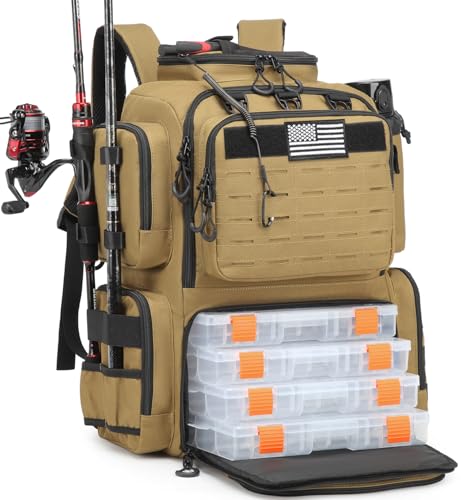
Backpack Tackle Box with Rod Holder: The Ultimate Fishing Companion
Streamline your fishing adventures with a hands-free, organized, and portable tackle system designed for campers and anglers on the move.
SEE TOP PICKSWhy a Backpack Tackle Box with Rod Holder? Traditional tackle boxes can be bulky and cumbersome, especially when you're hiking to a remote fishing spot. A backpack-style tackle box with an integrated rod holder solves this by keeping your hands free, your gear organized, and your rod secure while you navigate trails or set up camp. It's the perfect fusion of portability and functionality for the mobile angler.
What Is a Backpack Tackle Box with Rod Holder?
A backpack tackle box with rod holder is a specialized piece of fishing gear that combines the storage capacity of a traditional tackle box with the carrying comfort of a backpack. Unlike standard tackle boxes that require a separate bag or hand-carrying, this hybrid design allows you to wear your tackle on your back while keeping your fishing rod securely attached and within easy reach.
These systems are particularly popular among anglers who combine fishing with other outdoor activities. If you enjoy fishing and camping trips, a backpack tackle box eliminates the need for multiple bags. Similarly, those who practice hiking and camping to reach remote fishing spots will appreciate the hands-free design. Even for kayak camping or overlanding adventures, this type of tackle storage keeps your gear compact and accessible.
The rod holder is a critical feature that sets these backpacks apart. It allows you to carry your rod without occupying your hands, which is essential when navigating uneven terrain, crossing streams, or setting up camp. Some models feature side-mounted rod holders, while others use a central or diagonal attachment system.
Key Features to Look For in a Backpack Tackle Box
Not all backpack tackle boxes are created equal. When researching your options, focus on these critical features to ensure you get a product that matches your fishing style and outdoor habits.
Rod Holder Design
Look for a secure, padded rod holder that accommodates different rod lengths and prevents damage during transport. Side-mounted holders are common, but some models offer adjustable or modular systems.
Storage Capacity & Organization
Multiple compartments, removable tackle trays, and specialized pockets for tools, line, and bait are essential. The best models offer customizable storage that adapts to your fishing style.
Comfort & Ergonomics
Padded shoulder straps, breathable back panels, and adjustable sternum straps make a significant difference on long hikes. Look for models designed for extended wear.
Durability & Weather Resistance
Water-resistant or waterproof materials, reinforced stitching, and corrosion-resistant zippers are must-haves for outdoor use. This is especially important if you fish in wet conditions or near saltwater.
Additional Storage
Pockets for water bottles, snacks, or even a small first aid kit add versatility. Some models include a dedicated cooler compartment for keeping bait or catch fresh.
Weight & Portability
Consider the weight of the backpack when empty. A lighter pack is easier to carry, but may sacrifice durability or storage. Find the right balance for your needs.
Types of Backpack Tackle Boxes by Quality Tier
To help you make an informed decision without focusing on specific prices, we've categorized backpack tackle boxes into three universal quality tiers. This classification reflects relative market positioning, materials, and feature sets.
| Tier | Typical Features | Best For |
|---|---|---|
| Entry-Level | Basic rod holder, limited compartments, standard materials, minimal padding | Occasional anglers, beginners, those on a tight budget |
| Mid-Range | Secure padded rod holder, multiple removable trays, water-resistant fabric, ergonomic straps | Regular campers and anglers, weekend warriors, versatile use |
| Premium | Modular storage system, reinforced rod protection, waterproof materials, advanced ergonomics, additional features like cooler compartments | Serious anglers, frequent outdoor adventurers, those who demand durability |
When comparing tiers, consider that mid-range models often offer the best balance of features and durability for most users. Entry-level options are functional but may lack the comfort and longevity needed for frequent use. Premium models are built for those who fish regularly and demand the highest level of organization and protection for their gear.
How to Choose the Right Backpack Tackle Box for Your Needs
Selecting the perfect backpack tackle box involves assessing your fishing habits, the environments you frequent, and the amount of gear you typically carry. Here's a step-by-step approach:
- Assess Your Fishing Style: Are you a minimalist who carries a few lures and a single rod? Or do you bring multiple rods, a variety of bait, and tools? Your storage needs will dictate the size and complexity of the backpack.
- Consider Your Terrain: If you hike long distances to reach fishing spots, prioritize comfort and weight. For boat or kayak fishing, a more compact and waterproof design may be preferable. If you're mostly lake camping or beach camping, a rugged, sand-resistant model is ideal.
- Evaluate Rod Compatibility: Ensure the rod holder accommodates the length and type of rods you use. Some models are designed for travel rods, while others fit standard two-piece rods.
- Check Organization Options: Look for removable tackle trays that can be customized. If you use a lot of small lures or flies, consider a model with many small compartments. For larger gear, opt for fewer but larger compartments.
- Prioritize Comfort: If you plan to wear the backpack for extended periods, invest in a model with padded straps, a breathable back panel, and adjustable load lifters. This is especially important for backpacking for beginners who may not be accustomed to carrying heavy loads.
- Think About Weather: If you fish in rainy or damp conditions, a water-resistant or waterproof backpack is essential. Look for models with sealed zippers and taped seams.
For those who enjoy fly fishing gear, a specialized backpack with fly boxes and a rod tube holder might be more appropriate. Similarly, if you're into ice fishing rods, a smaller, insulated backpack may suit your needs better. Always match the backpack to your specific fishing discipline.
Benefits of Using a Backpack Tackle Box with Rod Holder
Investing in a quality backpack tackle box offers numerous advantages over traditional tackle storage solutions. Here are the most significant benefits:
- Hands-Free Mobility: The ability to carry your rod and tackle on your back frees your hands for hiking poles, navigating rough terrain, or carrying other gear. This is invaluable for hiking to remote fishing spots.
- Organization and Efficiency: Dedicated compartments for lures, line, tools, and bait keep everything organized and easily accessible. No more digging through a messy tackle box to find the right lure.
- Protection for Your Gear: A padded rod holder and secure compartments protect your expensive rods and reels from damage during transport. This is especially important if you're fishing rod reel combos are your primary setup.
- Versatility: These backpacks are not just for fishing. Many models can double as daypacks for other outdoor activities, making them a versatile addition to your gear collection.
- Comfort on Long Trips: Ergonomic designs distribute weight evenly across your shoulders and back, reducing fatigue on long hikes or extended fishing sessions.
- Quick Access: When you spot a promising fishing hole, you can quickly access your rod and tackle without setting down multiple bags.
For campers who also enjoy fishing, a backpack tackle box is a natural fit. It complements other camping essentials like emergency kits and map and compass navigation tools, ensuring you're prepared for both adventure and angling.
Maintenance Tips for Your Backpack Tackle Box
To ensure your backpack tackle box lasts for many seasons, follow these simple maintenance practices:
- Rinse After Saltwater Use: If you fish in saltwater, rinse the backpack and all tackle trays with fresh water to prevent corrosion. Pay special attention to zippers and metal components.
- Dry Thoroughly: Before storing, ensure the backpack is completely dry to prevent mold and mildew. Open all compartments and allow them to air dry.
- Clean Tackle Trays: Remove and clean tackle trays regularly. Wipe them down with a damp cloth and mild soap if needed.
- Inspect Straps and Zippers: Check shoulder straps, buckles, and zippers for wear and tear. Replace or repair any damaged components promptly. This is similar to how you would maintain your fishing reel maintenance routine.
- Store Properly: Store your backpack in a cool, dry place away from direct sunlight. Avoid compressing it tightly, as this can damage the rod holder and padding.
Proper maintenance extends the life of your gear and ensures it's ready for your next adventure. Just as you would care for your fishing lures and baits, give your backpack tackle box the attention it deserves.
Frequently Asked Questions
Can I use a backpack tackle box for fly fishing?
Yes, but you may need a specialized model. Look for a backpack with dedicated fly box storage and a rod holder that accommodates the length of a fly rod. Some anglers prefer a separate fly vest or chest pack, but a backpack tackle box can work well if it has the right compartments.
How do I attach my rod to the backpack?
Most backpack tackle boxes with rod holders use a combination of a sleeve or pocket at the bottom and a strap or clip at the top. Slide the rod handle into the bottom sleeve and secure the upper part of the rod with the strap. Ensure the rod is tightly secured to prevent it from slipping or getting damaged.
Are these backpacks waterproof?
Many models are water-resistant, meaning they can handle light rain and splashes. However, fully waterproof backpacks are also available, typically made from PVC or coated materials with sealed zippers. If you frequently fish in heavy rain or near water, a waterproof model is worth the investment.
Can I use a backpack tackle box for ice fishing?
Yes, but consider a smaller, insulated model. Ice fishing often involves carrying a lot of gear, and a backpack tackle box can help organize your jigs, rods, and safety equipment. Just ensure it has enough room for your ice fishing safety gear, like ice picks and a thermos.
What is the best way to organize my tackle in a backpack?
Use removable tackle trays to group lures by type or size. Keep frequently used items in the most accessible compartments. Use small pouches or plastic bags for soft plastics and line. Consider labeling compartments for quick identification. The goal is to create a system that works for your fishing style.
Final Thoughts
A backpack tackle box with rod holder is more than just a storage solution—it's a tool that enhances your entire fishing experience. By keeping your gear organized, your hands free, and your rod secure, it allows you to focus on what matters most: enjoying the outdoors and catching fish.
Whether you're a casual angler who fishes during camping trips or a dedicated angler who seeks out remote waters, investing in a quality backpack tackle box will pay dividends in convenience and functionality. Use the tier classifications and feature checklist in this guide to find the perfect match for your needs.
Remember to pair your backpack tackle box with other essential camping gear, such as a reliable camping shower for post-fishing cleanup or a comfortable backpacking sleeping pad for a good night's rest. And always practice Leave No Trace principles to preserve the beautiful fishing spots you enjoy.
For more information on fishing and camping gear, explore our guides on fishing tips for camping and fishing rod reel combos.