How to Choose Tent Size: A Complete Guide for Campers
Learn how to select the perfect tent size for solo, couple, or family camping. Includes capacity charts and expert tips.
Read More →
Everything you need to know about choosing, installing, and using a wood burning stove in your camper, RV, or tiny shelter. Stay warm anywhere.
START READINGThere is something deeply satisfying about the crackle of a real fire while you are parked in a remote location, snow falling softly outside. For many campers, a wood burning stove for camper represents the ultimate upgrade: it transforms a cold metal box into a warm, inviting cabin. Unlike noisy propane furnaces or power-hungry electric heaters, a wood stove offers silent, radiant heat that works even when your batteries are low and the grid is far away.
However, installing a solid-fuel stove in a confined space like a camper, RV, or converted van is a serious decision. It requires careful planning, strict adherence to safety standards, and a clear understanding of how these stoves operate. This guide is designed to walk you through every consideration—from sizing and fuel selection to installation and safety—so you can make an informed choice. Whether you are a full-time nomad, a weekend warrior, or someone building a tiny home on wheels, this article will help you decide if a wood stove is right for your setup.
If you are still exploring broader heating and camping gear options, you might find our guide on winter camping heaters useful for comparing different heat sources. For those leaning toward canvas shelters, a canvas tent with stove offers a traditional alternative. And if you are considering a full off-grid power setup, our portable power stations guide can help you complement your wood stove with reliable electricity.
The appeal of a wood stove goes beyond mere warmth. Here are the primary reasons campers choose them:
That said, wood stoves are not for everyone. They require maintenance, a supply of dry wood, and a commitment to safety. If you prefer a simpler, turn-key solution, a camping generator paired with an electric heater might be more suitable. But for those who value self-reliance and the romance of a real fire, a wood stove is unmatched.
Not all wood stoves are created equal, especially when space and weight are at a premium. Here are the main categories you will encounter:
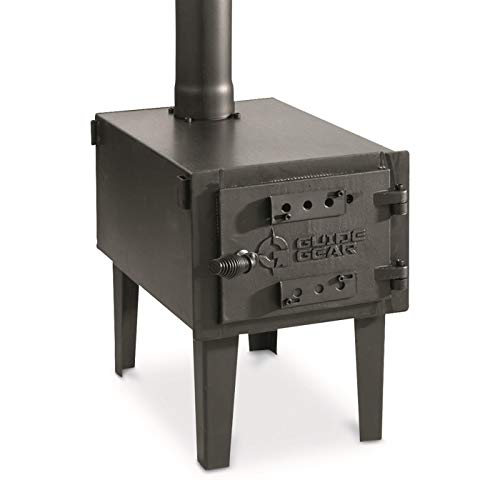
These are specifically designed for small spaces. They are often made from steel or cast iron, weigh between 20 and 60 pounds, and can be mounted on a hearth pad or even a wall bracket. Many models are collapsible or have removable legs for easy transport. They are ideal for campervans, truck campers, and small travel trailers. Look for models with a secondary burn system for better efficiency and cleaner emissions.
These stoves are built with the unique challenges of mobile environments in mind. They often feature gimbaled mounts to keep the stove level when the vehicle moves, locking doors to prevent logs from spilling, and corrosion-resistant materials. They are heavier and more expensive than basic tiny stoves but offer superior build quality and safety features. For those with a larger rig, such as a toy hauler RV, a slightly larger marine stove might be appropriate.
While not technically designed for campers, many tent stoves are lightweight, foldable, and can be adapted for camper use. They typically have a flat top for cooking and a stovepipe that exits through a wall or roof. However, they may lack the safety certifications required for use in enclosed vehicles. If you are considering a tent stove for a camper, proceed with caution and ensure proper ventilation and clearances.
Camper spaces are small, so you do not need a large stove. A stove that is too powerful will force you to run it at low, inefficient settings, creating creosote and overheating the space. As a general rule, a stove with a firebox of 0.5 to 1.5 cubic feet is sufficient for a camper up to 200 square feet. If your camper is a huge custom rig, you might need a larger model, but for most standard campers, smaller is better.
Steel stoves heat up quickly but cool down fast. Cast iron takes longer to heat but radiates heat for hours after the fire dies. Soapstone is excellent for long, even heat but is heavy and expensive. For a camper, a combination of steel body with cast iron door is a common and practical choice. Ensure all seams are welded, not riveted, to prevent leaks.
Look for stoves that have been tested to UL 1482 (US) or EN 13240 (Europe) standards. While many tiny stoves are not certified for residential use, certification indicates a baseline of safety. For insurance and peace of mind, this is important.
Every stove has specific clearance requirements to combustible materials. These are non-negotiable. You will need to create a heat shield or use a hearth pad. The stovepipe also requires clearance and must be insulated where it passes through the roof or wall. Planning the installation is often more complex than choosing the stove itself.
Hardwoods like oak, maple, and ash burn hotter and longer than softwoods like pine or fir. However, softwoods are fine for quick heat. In a camper, you will likely burn small splits or compressed wood bricks. Ensure you have a reliable source of dry, seasoned wood. If you are camping in areas with fire bans, a wood stove may not be usable. Always check fire ban guides and local regulations.
Pro Tip: Consider the weight of the stove and its chimney. A heavy stove on a camper roof can affect handling and fuel economy. Distribute weight carefully and reinforce mounting points. For lightweight alternatives, explore high-end camping gear that includes efficient, portable heating solutions.
Installing a wood stove in a camper is a job for someone comfortable with tools and safety protocols. If you are not, hire a professional. Here is an overview of the process:
For those who prefer a tent-based setup, a canvas tent with stove often has a pre-installed stove jack, simplifying the process. But in a camper, you are creating your own jack.
Carbon monoxide (CO) is the silent killer. A wood stove in a camper is a potential source of CO if not properly installed and maintained. You must have a CO detector and a smoke detector. Test them regularly. Ensure there is a source of fresh air for combustion—crack a window slightly. Never leave a fire unattended. Keep a fire extinguisher nearby. And always follow the campfire safety rules adapted for indoor use.
| Type | Best For | Weight Range | Efficiency | Key Feature |
|---|---|---|---|---|
| Tiny Steel Stove | Campervans, small trailers | Entry-level to mid-range | Good | Lightweight, quick heat |
| Cast Iron Marine Stove | RVs, boats, off-road campers | Premium | Excellent | Gimbaled, locking doors |
| Soapstone Stove | Full-time living, cold climates | Luxury | Superior | Long, even heat release |
| Folding Tent Stove | Canvas tents, occasional camper use | Budget-friendly | Moderate | Portable, flat-top cooking |
As you can see, the "best" stove depends on your priorities. If you are equipping a small travel trailer with a bathroom, space and weight are critical, so a tiny steel stove may be ideal. If you have a fifth wheel RV and want a centerpiece, a soapstone stove could be the answer.
A wood stove requires regular maintenance. Empty the ash pan frequently—ash insulates the fire and reduces efficiency. Inspect the stovepipe and chimney for creosote buildup every few weeks of use. Creosote is highly flammable and is the leading cause of chimney fires. Clean the glass door (if equipped) with a specific stove glass cleaner. Check gaskets and seals annually. For off-season storage, clean the stove thoroughly and coat the interior with a light oil to prevent rust. If you are storing your camper in a humid climate, consider a dehumidifier or moisture absorber. Our guide on RV camper supply stores can help you find the right accessories.
Technically, yes, but it depends on the camper’s construction, available space, and your willingness to modify the roof or wall. Pop-up campers and some lightweight trailers may not have the structural integrity to support a stove and chimney. Always consult a professional.
Proper draft is key. Ensure your chimney is tall enough (usually at least 8–10 feet from the stove top) and that there is a good air supply. Crack a window near the stove. If smoke still enters, check for blockages or negative pressure caused by exhaust fans.
Many campgrounds prohibit wood stoves in RVs due to fire risk and smoke. Always check local regulations. National parks and state parks often have specific rules. Our state park rules and national park rules guides provide more details.
A small stove might use 1–2 cubic feet of wood per day in mild weather, and more in extreme cold. It is difficult to give exact numbers because it depends on the stove’s efficiency, the wood type, and how you operate it.
Yes, but the slide-out mechanism may complicate the chimney routing. You may need a flexible pipe section or a telescoping pipe to accommodate movement. Ensure all connections remain sealed.
A wood burning stove for camper is a serious investment in comfort and independence. It is not a decision to be taken lightly. Done right, it can extend your camping season into the depths of winter and make every trip feel like a cozy retreat. Done wrong, it can be a deadly hazard. Do your research, consult professionals, and never cut corners on safety. If you are ready to embrace the warmth, start by evaluating your camper’s layout and your heating needs. For more inspiration on off-grid living, explore our guides on boondocking and winter camping. Stay warm, stay safe, and enjoy the fire.
CampLifeEssentials Philosophy: We believe that well-prepared campers have the best outdoor experiences. Explore gear guides, learn essential skills, then venture into the wild with confidence.

Shelter & sleep

Cook outdoors

Stay warm

Comfort in nature

Keep food fresh

Illuminate night

Carry gear

Stay safe

Learn how to select the perfect tent size for solo, couple, or family camping. Includes capacity charts and expert tips.
Read More →
Essential winter camping gear including sleeping bags, tents, heaters, and clothing for freezing temperatures.
Read More →
Complete car camping checklist including shelter, kitchen, lighting, and safety gear. Perfect for beginners and families.
Read More →⚠️ AFFILIATE DISCLOSURE: This website contains affiliate links. As an Amazon Associate, we earn from qualifying purchases. If you make a purchase through these links, we may receive a small commission at no additional cost to you. Read our full affiliate policy.



Outdoor activities involve inherent risks. The information provided on CampLifeEssentials is for educational purposes only. We are not responsible for any injuries, losses, or damages resulting from the use of this information. Some content may use AI assistance. Always practice Leave No Trace principles and verify local regulations before camping. If you do not agree, please do not use this website. Read the full disclaimer.