Waterproof Family Tents for Camping: The Ultimate Guide
Keep your family dry and comfortable on every camping trip. Learn how to evaluate rainfly coverage, bathtub floors, seam sealing, and waterproof ratings before you buy.
Explore FeaturesWhy Waterproofing Matters: A family camping trip can quickly turn miserable when rain seeps through your tent. Unlike solo campers who can retreat to a car, families need a reliable shelter that protects children, gear, and sleeping areas. This guide explains the technical features that make a family tent truly waterproof, so you can choose with confidence.
Understanding Waterproof Ratings and Materials
Not all "waterproof" tents are equal. Manufacturers use a hydrostatic head rating (measured in millimeters) to indicate how much water pressure a fabric can withstand before leaking. For family camping, a minimum of 1,500mm is acceptable for light rain, but 3,000mm or higher is recommended for sustained storms. The two most common tent materials are nylon and polyester. Nylon is lighter and more packable, while polyester resists UV degradation better and stretches less when wet. Both can be coated with polyurethane (PU) or silicone for waterproofing. Polyester with a PU coating is a popular choice for family tents because it balances durability, weather resistance, and value.
Hydrostatic Head Rating
The measure of water pressure a fabric can resist. Entry-level family tents often range from 1,000mm to 1,500mm, mid-range models typically offer 2,000mm to 3,000mm, and premium expedition-grade tents can exceed 5,000mm. For family camping in variable weather, aim for at least 2,000mm on the rainfly and floor.
Bathtub Floor Design
A bathtub floor extends several inches up the sides of the tent, creating a watertight basin that prevents ground water from seeping in. This feature is critical for family tents, as children and gear often press against the walls. Look for floors with taped or welded seams rather than simple stitching.
Fully Taped Seams
Every seam is a potential leak point. Fully taped seams use heat-activated tape to seal needle holes created during stitching. Entry-level tents may only have critical seams taped, while mid-range and premium family tents typically feature fully taped seams throughout the rainfly and floor.
Rainfly Coverage
A full-coverage rainfly extends from the peak to the ground, protecting the tent body and windows. Partial rainflies leave exposed areas vulnerable. For family camping, choose a tent with a rainfly that covers the entire roof and extends well past the walls, ideally with vestibules for gear storage.
Key Features to Look for in a Waterproof Family Tent
Beyond waterproofing, family tents must accommodate multiple sleepers, gear, and the realities of camping with children. Consider the following features when evaluating options.
Capacity and Room Configuration
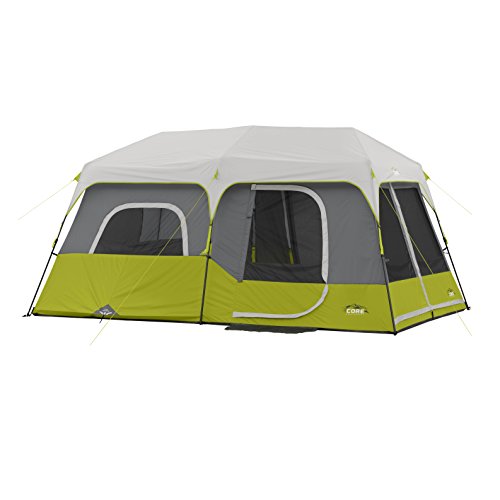
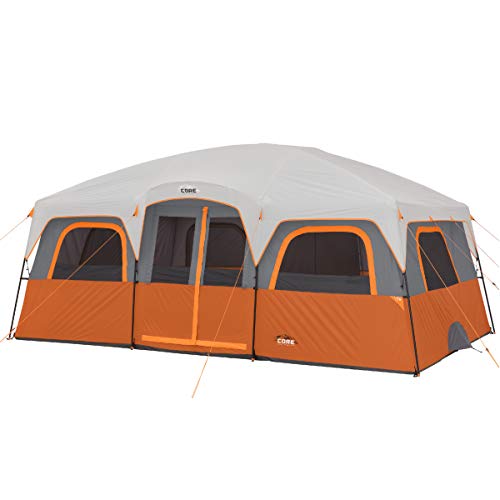
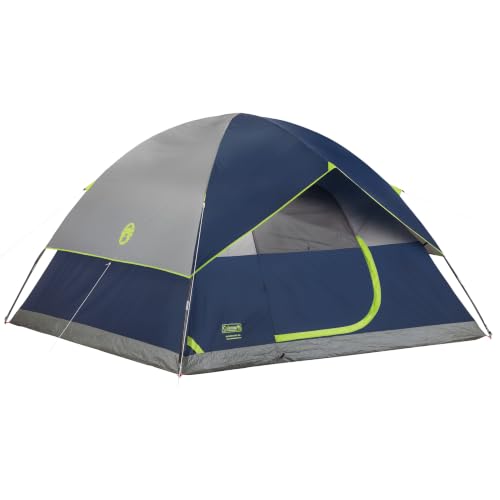
Family tents typically range from 4-person to 12-person capacities. A general rule is to subtract one or two from the listed capacity to account for gear and comfortable movement. Many families prefer tents with room dividers or multiple doors to create separate sleeping areas. If you need a tent you can stand up in, look for models with center heights of at least 6 feet. For larger groups, 10-person instant cabin tents with screen rooms offer ample space and quick setup. Those who prefer a more traditional structure might consider a 6-person dome tent with a screen room for ventilation and bug protection.
Ventilation and Condensation Control
A waterproof tent that traps moisture inside will leave sleeping bags damp and uncomfortable. Look for tents with mesh panels, roof vents, and adjustable ground vents. A well-designed ventilation system allows humid air to escape while keeping rain out. Some premium family tents include anti-condensation mats to further reduce moisture buildup.
Setup and Portability
Family tents are heavy and bulky, so setup ease matters. Instant tents use pre-attached poles and can be pitched in minutes. Cabin tents offer vertical walls and generous headroom but may require more assembly. If you camp in rainy conditions, practice setting up your tent in the rain to minimize exposure. For those who want the easiest possible experience, the easiest tents to set up for families are designed with color-coded poles and simple clip systems.
Comparing Waterproof Family Tent Tiers
The following table outlines typical features and trade-offs across entry-level, mid-range, and premium family tents. Use this as a general guide when evaluating products.
| Feature | Entry-Level | Mid-Range | Premium |
|---|---|---|---|
| Waterproof Rating | 1,000mm – 1,500mm | 2,000mm – 3,000mm | 3,000mm – 5,000mm+ |
| Seam Treatment | Critical seams taped | Fully taped seams | Fully taped + welded |
| Floor Design | Basic tub floor | Bathtub floor with taped seams | Welded bathtub floor |
| Rainfly Coverage | Partial coverage | Full coverage with vestibule | Full coverage + extended vestibule |
| Material | Polyester or nylon | Ripstop polyester/nylon | Ripstop with silicone coating |
| Pole Type | Fiberglass | Aluminum or hybrid | DAC aluminum or carbon |
| Ventilation | Basic mesh windows | Mesh panels + roof vent | Adjustable vents + mesh walls |
| Best For | Occasional fair-weather camping | Regular family camping in variable weather | Frequent camping, storms, extended trips |
Maintaining Waterproofing Over Time
Even the best waterproof tent will lose its effectiveness without proper care. After each trip, clean and dry your tent thoroughly before storing it. Dirt and mildew can degrade waterproof coatings. Periodically apply a seam sealer to high-stress areas and reapply a waterproofing spray or wash-in treatment every few seasons. Store your tent loosely in a cool, dry place rather than compressing it tightly, which can damage coatings and seams.
If you camp in cold or wet conditions, consider pairing your tent with a cold-weather camping gear checklist to ensure you have the right accessories for insulation and moisture management. For winter trips, a winter camping gear guide can help you choose additional layers and heating solutions.
Frequently Asked Questions
What is the minimum waterproof rating for a family tent?
For light rain and occasional showers, a rating of 1,500mm is often sufficient. However, for sustained rain or stormy conditions, aim for at least 2,000mm to 3,000mm on both the rainfly and floor. Premium family tents often exceed 3,000mm for maximum protection.
Do I need to seam-seal a new tent?
Many mid-range and premium tents come with fully taped seams, which do not require additional sealing. Entry-level tents may only have critical seams taped. Check the manufacturer's recommendations and consider applying seam sealer to any untaped seams before your first rainy trip.
How can I tell if a tent is truly waterproof?
Look for specific technical details: hydrostatic head ratings, fully taped seams, bathtub floors, and full-coverage rainflies. Vague marketing terms like "water-resistant" or "weatherproof" are not standardized. Reputable brands publish detailed specifications, so read product descriptions carefully.
Can I use a regular tarp under my tent for extra waterproofing?
A footprint or ground tarp can protect the tent floor from abrasion and punctures, but it should not extend beyond the tent's edges. If a tarp sticks out, it can collect rainwater and channel it under the tent. Use a footprint specifically designed for your tent model, or cut a tarp to size slightly smaller than the floor.
How long does waterproofing last on a family tent?
With proper care, a quality family tent can maintain its waterproofing for many seasons. Factors like UV exposure, frequency of use, and storage conditions affect longevity. Reapply waterproofing treatments every few years, and inspect seams and coatings regularly for wear. If you are wondering whether a more expensive tent is worth the investment, read our guide on whether expensive tents are worth it.
Additional Considerations for Family Camping
When camping with children, safety and comfort are paramount. Ensure your tent has adequate ventilation to prevent overheating and condensation. Choose a campsite with good drainage and avoid low-lying areas that can flood. If you are new to camping, review first-time camping tips and consider a camping essentials list for first-timers to avoid common mistakes. For families camping with dogs, check our guide on camping with dogs for additional tips on keeping pets comfortable and safe.
Finally, always practice Leave No Trace principles to minimize your impact on the environment. Properly dispose of waste, respect wildlife, and leave your campsite cleaner than you found it.