Water Hydration Pack: The Complete Buying Guide
Stay properly hydrated on every adventure. Learn how to choose the right hydration pack for hiking, cycling, running, and camping with our expert tips and recommendations.
START HYDRATING SMARTERWhy Hydration Matters: Dehydration can ruin an otherwise perfect outdoor trip. A quality water hydration pack keeps your hands free, your water accessible, and your energy levels steady. Whether you're a day hiker or a multi-day backpacker, the right pack makes all the difference.
Why a Dedicated Hydration Pack Beats Water Bottles
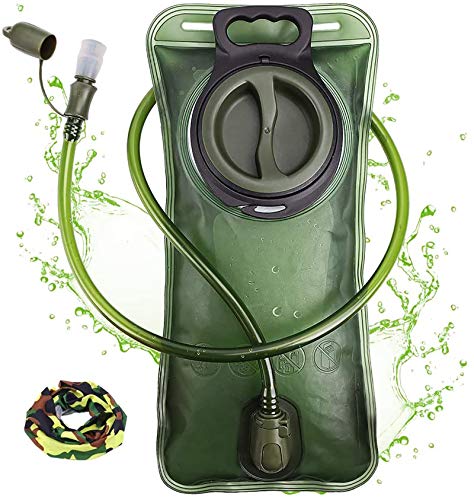
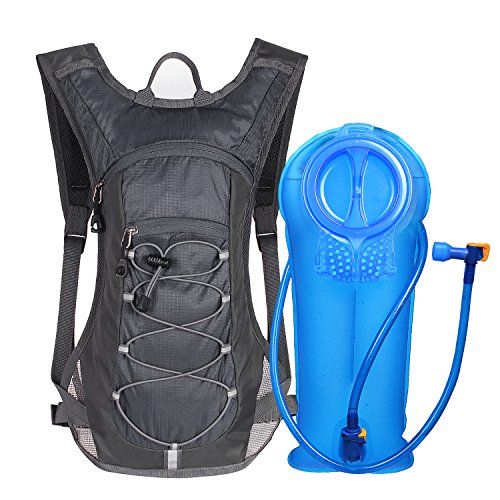
If you're still carrying loose water bottles on your hikes or rides, you're missing out on a significantly better experience. A water hydration pack integrates a reservoir (bladder) with a backpack or waist pack, allowing you to drink through a tube without stopping. This hands-free sipping encourages more frequent hydration, which is critical for endurance and safety.
For campers who enjoy good backpacking meals and long trail days, a hydration pack is not just a convenience—it's a piece of essential gear. It keeps your water cool, accessible, and evenly distributed. Plus, the pack itself often provides storage for snacks, a map, and a light layer, making it a versatile choice for any outdoor activity.
When you're planning your next trip, think about how you'll stay hydrated. If you're heading to a remote area, pairing a hydration pack with a reliable camping water filter technology can ensure you always have safe drinking water. For those who prefer cycling, a dedicated cycling hydration pack is designed with a lower center of gravity for stability. And if you're hiking in cold weather, you'll want to consider how a pack works with your layering clothing system.
Key Features to Evaluate Before You Buy
Not all hydration packs are created equal. The best choice for you depends on your primary activity, torso length, and how much water you need to carry. Here are the critical factors to consider:
Reservoir Capacity
Most reservoirs range from 1.5 to 3 liters. For short hikes or runs, 1.5L is sufficient. For full-day adventures or hot climates, aim for 2.5L to 3L. Consider a pack that allows you to swap reservoirs easily.
Pack Volume & Storage
Hydration packs come in various volumes, from minimalist running vests to full daypacks. Look for external pockets for quick-access items, a secure phone sleeve, and enough room for a light layer or first aid kit.
Fit & Suspension
A proper fit prevents bouncing and chafing. Look for adjustable sternum straps, breathable mesh back panels, and padded shoulder straps. Women-specific fits are available and often provide a better contour.
Insulation & Tube Design
Insulated tubes and reservoirs help keep water cool and prevent freezing in winter. A quick-release bite valve with a shut-off mechanism prevents leaks. Consider an insulated tube for winter camping gear setups.
Durability & Cleaning
Reservoirs should be made from BPA-free, taste-free materials. Wide-mouth openings make filling and cleaning easier. Look for packs with a removable reservoir and a drying hanger.
Weight & Materials
Ultralight packs use ripstop nylon and mesh to shed grams, ideal for trail running. For rugged use, consider heavier denier fabrics. The weight of the pack itself matters, especially on long treks.
Understanding Quality Tiers: Entry-Level to Premium
Hydration packs can be categorized into three broad tiers. This classification helps you set expectations without referencing specific prices. Use it to align your needs with the right product.
| Feature | Entry-Level | Mid-Range | Premium |
|---|---|---|---|
| Reservoir Material | Basic BPA-free plastic, may retain slight taste | Taste-free, durable TPU or PE | Antimicrobial, taste-free, high-durability film |
| Harness & Fit | Simple straps, minimal padding | Adjustable sternum strap, breathable mesh | Customizable torso length, load lifters, premium mesh |
| Insulation | None or basic sleeve | Insulated tube, sometimes reservoir sleeve | Full insulation, reflective layer, freeze-resistant bite valve |
| Storage | Minimal, maybe one small pocket | Multiple pockets, key clip, phone sleeve | Thoughtful organization, hip belt pockets, compression straps |
| Durability | Lightweight materials, may wear faster | Ripstop nylon, reinforced stress points | High-denier fabrics, abrasion-resistant, lifetime warranty |
| Best For | Casual walks, short rides, budget-conscious users | Regular hikers, cyclists, weekend campers | Serious adventurers, ultralight enthusiasts, extreme conditions |
As a general rule, mid-range packs offer the best balance of features, durability, and comfort for most outdoor enthusiasts. Entry-level packs are fine for occasional use, while premium options cater to those who demand the highest performance and reliability in harsh environments.
Hydration Pack Styles: Pros and Cons
Hydration packs come in several form factors. Here's a quick breakdown to help you choose the right style for your activity.
Backpack Style Hydration Packs
Pros
- Largest water and gear capacity
- Even weight distribution on hips and shoulders
- Ideal for full-day hikes and camping
Cons
- Bulkier and heavier than minimal options
- Can be warm on the back in hot weather
Waist Pack / Lumbar Hydration Packs
Pros
- Keeps weight low on the hips
- Excellent for trail running and cycling
- Minimal back sweat
Cons
- Limited water capacity (usually 1–2L)
- Less storage for extra gear
Running Vests
Pros
- Body-hugging, no bounce
- Soft flasks or bladder compatible
- Breathable and lightweight
Cons
- Minimal gear capacity
- Not ideal for heavy loads
How to Choose the Perfect Hydration Pack for Your Needs
Use this simple decision framework to narrow down your options:
- For day hiking: Look for a 2–3L reservoir with a 15–25L pack volume. Prioritize comfort and ventilation. If you're camping overnight, ensure it integrates with your winter camping gear or lightweight backpacking food storage.
- For cycling: A cycling hydration pack with a low-profile design and 2L reservoir is ideal. Look for a waist pack or small backpack that won't interfere with your helmet or jersey pockets.
- For trail running: A running vest with soft flasks or a 1.5L bladder. Prioritize a snug, bounce-free fit.
- For camping: If you're base camping, a larger hydration pack can double as a daypack for side trips. Consider a pack that can carry a camping water filter for refilling from natural sources.
- For winter use: Insulated tubes and reservoirs are essential. Pair with a winter camping gear strategy to prevent freezing.
Cleaning and Maintaining Your Hydration Pack
A clean hydration system keeps your water tasting fresh and prevents mold and bacteria growth. Here's a simple routine:
- After every use: Empty the reservoir, rinse with warm water, and hang to dry. Use a cleaning tablet or a mix of baking soda and water periodically.
- Deep clean: Use a reservoir cleaning kit with a brush for the tube and a drying hanger. Avoid harsh chemicals.
- Storage: Store the reservoir in the freezer between uses to inhibit bacterial growth (ensure it's completely dry first). Keep the pack itself clean and aired out.
Proper maintenance extends the life of your hydration pack and ensures you're always drinking safe, great-tasting water—whether you're on a short camping trip or a multi-day trek.
Frequently Asked Questions
Ready to Upgrade Your Hydration?
Explore our top picks for water hydration packs and find the perfect match for your next adventure.
VIEW RECOMMENDED PACKS