Ultimate Solo Camping Guide: Gear, Safety & Confidence
Embrace the solitude of the wild with our comprehensive solo camping guide. Whether you're a first-timer or a seasoned adventurer, find the gear, tips, and mindset you need for a safe and unforgettable solo trip.
Start Your Solo Adventure →Why solo camping? It’s the ultimate form of freedom. No compromises, no distractions—just you and nature. But solo camping also requires careful preparation. From choosing the right camping tent to mastering wildlife safety, this guide covers everything you need to know to venture out alone with confidence.
1. Essential Solo Camping Gear
Packing light is key when you're carrying everything yourself. Focus on quality over quantity. Here’s the core gear every solo camper needs.
Shelter & Sleep
Your tent is your home. Choose a lightweight, easy-to-pitch 1-person or 2-person tent for extra space. Pair it with a high-quality sleeping bag and pad.
$400–$900Kitchen & Hydration
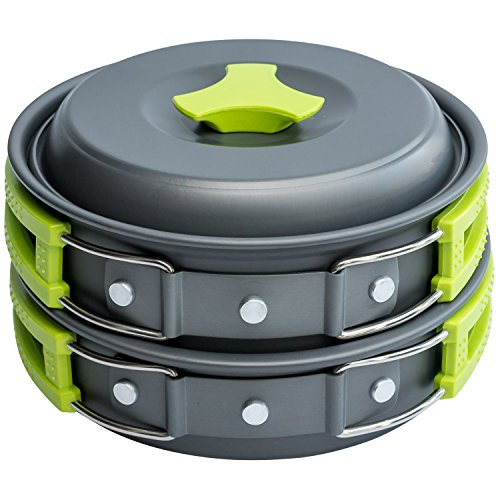
Cook simple, nutritious meals with minimal gear. A lightweight stove and a few utensils are all you need.
$150–$350Safety & Navigation
Staying safe is non-negotiable. Carry reliable navigation tools and a well-stocked first aid kit.
- Handheld GPS / Compass
- Satellite Communicator (PLB)
- Wilderness First Aid Kit
- Emergency Whistle & Signal
2. Safety Tips for Solo Campers
When you're alone, you're your own first responder. These safety measures are critical for a worry-free solo trip.
Tell Someone Your Plan
Always leave a detailed itinerary with a trusted contact: where you're going, when you'll return, and your route. Check in when you have signal.
Bear & Wildlife Awareness
Store food properly and carry bear spray in bear country. Learn how to react to encounters. Read our Bear Safety Guide for more.
Weather & Fire Safety
Check weather forecasts multiple times a day. Know the fire ban status and practice campfire safety. Never leave a fire unattended.
First Aid & Emergency
Know basic wilderness first aid. Carry a kit with supplies for blisters, cuts, and common ailments. Learn SOS signals.
📋 Solo Camping Checklist
- Lightweight Tent (1-2 person)
- Sleeping Bag (rated for the season)
- Sleeping Pad / Air Mattress
- Camping Stove & Fuel
- Cookware & Utensils
- Water Bottle & Filter
- Headlamp / Lantern
- First Aid Kit
- Map, Compass, or GPS
- Satellite Communicator (PLB)
- Bear Spray (if applicable)
- Multi-tool / Knife
- Fire Starter / Lighter
- Extra Food & Snacks
- Warm Clothing Layers
- Rain Gear
- Toiletries & Trowel
- Trash Bags (pack it out)
3. Building Confidence for Solo Trips
The mental aspect of solo camping is just as important as the gear. Here’s how to build the confidence you need.
Start Small
Begin with a short overnight at a familiar campground to get comfortable with the routine.
Practice Skills
Set up your tent, start your stove, and filter water in your backyard. Mastery breeds confidence.
Embrace the Silence
Use the quiet time for journaling, photography, or simply enjoying nature. The solitude is the reward.
4. Best Destinations for Solo Camping
Choose a destination that matches your skill level and offers the experience you're looking for. These are solo-camper favorites.
Yosemite NP
Iconic views and well-marked trails.
Zion NP
Stunning canyons and solo-friendly shuttles.
Colorado Rockies
High-altitude solitude and fresh air.
Coastal Camping
Fall asleep to the sound of waves.
5. Solo Camping FAQ
Is it safe to camp alone?
Yes, with proper preparation. Choose popular campgrounds, carry safety gear, and always share your itinerary. Read our solo safety guide.
What if I get lonely?
Bring a book, a journal, or a podcast. Many solo campers find the solitude deeply restorative. You can also choose a campground with other campers nearby.
How do I handle bears alone?
Store all food and scented items in a bear canister or bear bag. Carry bear spray and know how to use it. See our Bear Safety Guide.
What's the best tent for solo camping?
A lightweight 1-person or 2-person tent is ideal. Look for easy setup and good weather protection. Check our tent reviews.
🌟 Pro Tip: Before your first solo trip, do a "dry run" in your backyard or a local park. Practice setting up your tent, cooking a meal, and using all your gear. This will identify any missing items and give you confidence for the real thing.
Solo camping is a journey of self-discovery. With the right gear, knowledge, and mindset, you'll create memories that last a lifetime. Happy trails!