Small Tents You Can Stand Up In: The Ultimate Guide to Comfortable Camping
Discover the perfect balance of compact size and standing-height comfort. Our guide helps you find a small tent you can stand up in for a more enjoyable camping experience.
The Stand-Up Advantage: The ability to stand upright inside your tent transforms your camping experience. It makes changing clothes, organizing gear, and moving around significantly easier, especially during bad weather when you're confined indoors. This guide explores the best small tents that offer this crucial feature.
Why a Small Stand-Up Tent is a Game-Changer
For many campers, the trade-off between a compact footprint and livable interior space has always been a challenge. Small dome tents are lightweight and easy to pitch but often require you to crawl and crouch. Conversely, large cabin tents offer ample headroom but can be bulky and heavy. The solution? A new generation of small tents designed with steep walls and near-vertical sides, providing standing height without a massive footprint.
These tents are ideal for a variety of campers. If you're a solo camper who values comfort, a tall tent provides a personal retreat where you can stand and stretch. For couples, a 2-person stand-up tent offers a spacious haven that doesn't feel cramped. Even for families, a small stand-up tent can serve as a dedicated kids' room or a convenient basecamp. The key is finding a model that maximizes vertical space while remaining manageable in size and weight.
When researching options, it's helpful to understand how to choose the right tent size. A tent's capacity rating is just the beginning; the interior height and floor plan are what truly define comfort. A stand-up tent redefines that comfort, allowing you to use your tent as a true living space, not just a place to sleep.
Key Features of a Great Small Stand-Up Tent
Not all tall tents are created equal. To ensure you get the most out of your investment, focus on these critical features:
- Peak Height and Wall Slope: The most obvious feature is the interior height. Look for a tent with a peak height that allows you to stand comfortably (typically 6 feet or more). However, the wall slope is equally important. A tent with near-vertical walls provides much more usable space than a dome tent, where the ceiling curves down, forcing you to stoop even if the peak is high.
- Floor Plan and Vestibule: A good floor plan is essential. A rectangular or square footprint offers more efficient use of space than a hexagonal or dome shape. A large vestibule or porch area is a massive bonus, providing a sheltered space for gear, muddy boots, or even a chair, keeping the main living area clean and dry.
- Weather Resistance: A taller tent has more surface area exposed to wind and rain. Therefore, a robust rainfly that covers the entire tent, taped seams, and a sturdy pole structure are non-negotiable. A tent with a full-coverage rainfly is crucial for keeping you dry in a downpour.
- Ventilation: Condensation can be a problem in any tent, but especially in one where you might spend more time inside. Look for models with multiple mesh windows and roof vents. Some premium tents even feature built-in ventilation systems or mesh panels that can be zipped open or closed.
- Portability: Even though you're prioritizing height, the tent should still be reasonably portable. Consider the packed size and weight. If you're car camping, weight is less of an issue, and you can opt for a more spacious and durable model. For backpacking, you'll need to look for specialized 1-person tents that offer standing height, though these are less common.
Types of Small Tents with Standing Height
The market offers several styles of stand-up tents to fit different needs. Understanding the differences will help you narrow down your choices.
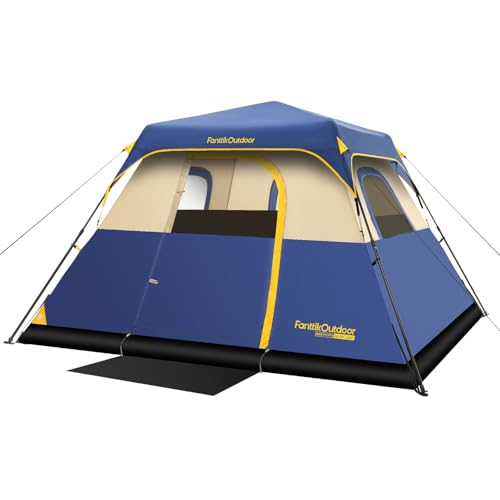
Cabin Tents: These are the classic stand-up tents. They feature a rectangular or square base and near-vertical walls, providing the most livable space. They are typically the heaviest option but offer unparalleled comfort. Many models in the camping tents you can stand up in category are cabin-style. They are perfect for car camping and extended trips where you establish a basecamp.
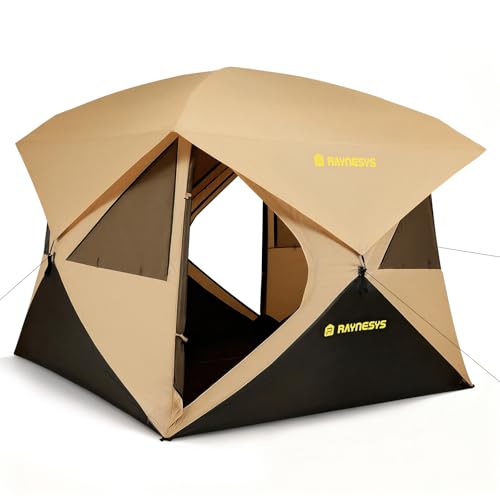
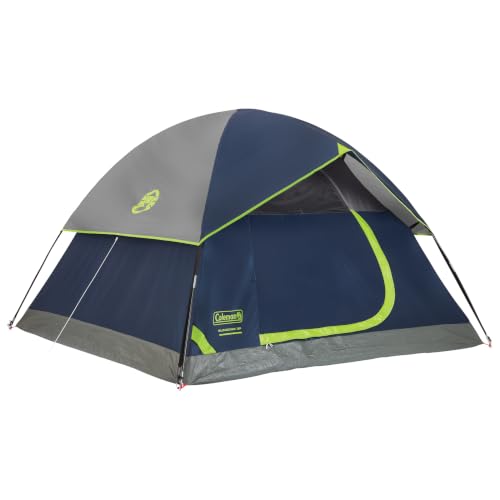
Modified Dome Tents: A hybrid design, these tents use a dome-like structure but with poles that create steeper walls than a traditional dome tent. They offer a good balance of stability, weight, and interior space. Some models, like pop-up tents you can stand up in, offer incredible convenience and can be set up in seconds. These are excellent for weekend trips and casual campers.
Tunnel Tents: These tents use a series of hoop poles to create a long, tunnel-like structure. They can offer excellent standing height in the center, but the usable space tapers off at the ends. They are often very stable in windy conditions.
Blackout Tents: A specialized type of cabin or dome tent, these feature dark fabric or special coatings that block out sunlight. This is a huge benefit for campers who like to sleep in or for parents with young children. The black-out pop-up double-skin 3-man tent is a great example of this technology combined with convenience.
Top Picks for Solo and Couple Campers
When camping alone or with a partner, a small stand-up tent is a luxurious upgrade. You get the ease of a compact shelter with the comfort of a full-height interior. For a solo camper, a 2-person tent you can stand up in offers a palace-like amount of space for one person and all their gear. If you're looking for a dedicated solo option, a 3-person tent you can stand up in can be a fantastic choice for one person who wants a lot of room or for a couple.
Key considerations for this category include ease of setup, as you may be pitching it alone. Look for tents with color-coded poles and intuitive designs. A vestibule is also a valuable feature, providing a place to store wet gear outside the main sleeping area. For those who prefer a traditional sleeping setup, ensuring your camping bed or sleeping pad fits comfortably within the floor plan is essential.
Small Stand-Up Tents for Families and Groups
While larger cabin tents are often the go-to for families, a "small" stand-up tent in the 4-person to 6-person range can be surprisingly spacious. A 4-person tent you can stand up in is a great size for a small family or a group of friends. It offers enough room for sleeping areas and a central standing area. For larger families, a 6-person tent you can stand up in provides ample space for everyone, often with room dividers to create separate sleeping quarters.
When choosing a family stand-up tent, prioritize durability and features that make camping with kids easier. A tent with a large porch or screen room, like a 6-person dome tent with screen room, offers a protected play area and a place to relax away from bugs. Easy setup is also critical; an instant cabin tent can save a lot of time and frustration at the campsite. You might also consider a tent with a patio to extend your living space outdoors.
Tips for Setting Up and Maximizing Your Stand-Up Tent
Once you've chosen your tent, a few simple practices will enhance your experience. First, always practice setting up your tent at home before your trip. This ensures you know how it goes together and that all parts are present. When at the campsite, choose a level spot and clear away any rocks or debris. A footprint or ground tarp under your tent will protect its floor and add a layer of insulation.
To keep your tent organized and comfortable, use the vertical space to your advantage. Hang a mesh organizer or a camping lantern from the ceiling loops. This keeps small items off the floor and provides light exactly where you need it. If you're camping in cold weather, a stand-up tent can be harder to keep warm due to its larger volume. A battery-powered space heater for camping can be a safe and effective way to take the chill off. Always ensure proper ventilation when using any heat source.
Finally, consider the weather. In windy conditions, a tall tent can act like a sail. Make sure to use all the guy lines and stake it down securely. If you're expecting rain, a full-coverage rainfly is your best friend. The ability to stand up inside means you can wait out a storm in relative comfort, reading a book or playing a game, rather than being confined to a cramped, damp sleeping bag.