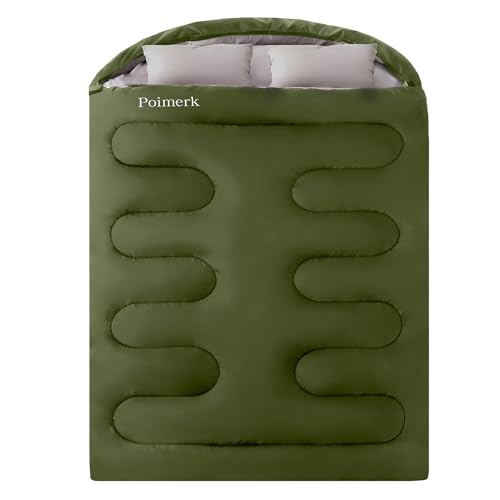
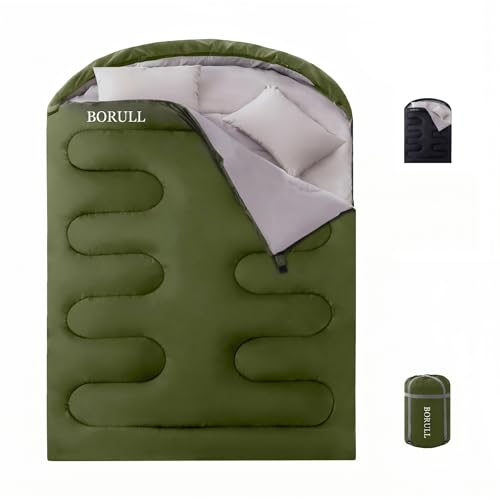
Single Sleeping Bags That Convert to Double: The Ultimate Couples Camping Solution
Discover how zip-together sleeping bags give you the freedom of two singles and the comfort of a double — perfect for couples, families, or anyone who wants versatile sleep gear.
READ THE GUIDEWhy convertible sleeping bags? They offer the best of both worlds: individual warmth and freedom when you need it, plus the shared comfort and thermal efficiency of a double bag when you want to snuggle. No need to buy two separate systems — one smart purchase covers all your camping scenarios.
How Single Sleeping Bags Convert to Double
The magic lies in the zipper system. Most convertible sleeping bags feature a full-length zipper on one side and a half-length or full-length zipper on the other. When you pair a left-zip bag with a right-zip bag of the same model and size, the two zippers interlock to form one large double bag. Some premium models use a proprietary "zip-together" design where the zippers are specifically engineered to mate perfectly, preventing drafts and snags.
When zipped together, the two bags create a spacious sleeping area — typically 60 to 70 inches wide, depending on the individual bag width. The combined bag often has a shared draft collar and hood system, allowing you and your partner to share warmth efficiently. For those who prefer separate bags during the night, simply unzip and each person has a fully functional single bag. This flexibility is why convertible bags are a favorite among camping FAQ readers who want to avoid buying multiple sleep systems.
It's important to note that not all sleeping bags are compatible. You need matching zipper sides, and ideally the same brand and model line to ensure the zippers align properly. Some brands even offer a "couple kit" that includes a double-wide stuff sack and a connector piece for the hoods. If you're unsure whether your current bags can be paired, check the zipper side (left or right) and the zipper type — coil zippers are more forgiving than toothed zippers when mating different models.
Key Features to Consider Before Buying
Not all convertible bags are created equal. Here's what to look for to ensure you get a system that works for your specific camping style.
1. Zipper Compatibility and Type
The most critical factor is zipper compatibility. You need one left-zip and one right-zip bag. Most manufacturers clearly label their bags as "left zip" or "right zip." If you already own a bag, check the zipper pull — it will be on the left or right side when the bag is facing you. Coil zippers are generally smoother and less prone to snagging than toothed zippers, but they can be less durable over many years. For a reliable pairing, stick with the same brand and model. If you're buying new, consider a set that's explicitly sold as a "convertible pair."
2. Temperature Ratings
When zipped together, two bags often provide a slightly warmer combined rating than each individual bag because you share body heat and reduce the surface area exposed to cold air. However, the official temperature rating of the pair is typically the same as the lower-rated bag (the warmer one). For example, if you pair a 20°F bag with a 30°F bag, the combined system will perform closer to a 20°F bag. For couples with different cold tolerances, this is a huge advantage — the colder sleeper can use the warmer bag's rating as the baseline. Always check the EN/ISO temperature ratings, which include comfort, limit, and extreme values. For a deeper dive into ratings, see our sleeping bag temperature guide.
3. Shape and Size
Convertible bags come in three main shapes: mummy, rectangular, and semi-rectangular. Mummy bags are the most thermally efficient but can feel restrictive when zipped together because the tapered footboxes create a narrow space. Rectangular bags offer the most room and are ideal for car camping or casual camping, but they're heavier and less packable. Semi-rectangular bags are a great compromise — they provide more foot room than mummy bags while still being relatively lightweight. When zipped together, a pair of semi-rectangular bags often creates a comfortable double bed that's wide enough for two average adults.
4. Insulation Material
Down insulation offers the best warmth-to-weight ratio and packs down small, making it ideal for backpacking couples. However, down loses its insulating ability when wet and is more expensive. Synthetic insulation is heavier and bulkier but retains warmth even when damp, making it a better choice for wet climates or budget-conscious campers. For convertible bags, synthetic insulation is often more forgiving because the zipper area can be a weak point for moisture intrusion. If you're camping in humid conditions, a synthetic bag might be the smarter choice.
5. Draft Tubes and Hoods
When two bags are zipped together, the seam where they join can become a cold spot. High-quality convertible bags include a draft tube that covers the zipper to prevent cold air from seeping in. Similarly, a shared hood system or two individual hoods that can be cinched together helps trap warmth around your heads. Some premium models even have a "couple's hood" that creates a single large hood cavity, which is great for sharing warmth but can be a drawback if one person likes a loose hood and the other prefers it snug.
Who Benefits Most from Convertible Sleeping Bags?
These bags are incredibly versatile, but they shine in specific scenarios.
- Couples with different sleep preferences: One person can zip up tight while the other stays loose, or they can share a double bag on cold nights and separate on warm nights.
- Families with kids: A parent can zip a child's bag to their own for added security and warmth, then separate them once the child falls asleep. This is especially useful for camping with dogs or young children who need extra reassurance.
- Backpackers who want flexibility: On solo trips, each person carries a single bag. On couple trips, they zip together to save weight (one shared stuff sack instead of two) and increase warmth.
- Car campers and overlanders: The ability to create a large, comfortable bed in a tent or rooftop tent is a game-changer for comfort. For those using a 4-person roof top tent hard shell, a convertible bag pair fits perfectly and eliminates the need for bulky blankets.
- Emergency preparedness: Having two convertible bags means you can accommodate an extra person in an emergency, or use one bag as a blanket and the other as a sleeping bag.
How to Choose the Right Convertible Sleeping Bag Pair
Follow this step-by-step approach to make sure you get a system that works for you.
Step 1: Determine Your Temperature Needs
Think about the coldest conditions you'll likely camp in. If you're a three-season camper, a 20°F to 30°F bag is a good baseline. For winter camping, look for 0°F or lower. Remember that the combined rating is typically the lower of the two, so if one person sleeps cold, they should get the warmer bag. Our guide on top-rated sleeping bags for cold weather can help you narrow down options.
Step 2: Choose Your Shape
If you're backpacking, prioritize a mummy or semi-rectangular shape for weight savings. If you're car camping or using a large tent, a rectangular bag will give you more room to stretch out. For couples who toss and turn, a semi-rectangular or rectangular bag is usually more comfortable when zipped together.
Step 3: Select Insulation Type
Down is best for weight and packability; synthetic is best for wet conditions and budget. If you're camping in a humid environment, consider a synthetic bag. If you're backpacking in dry mountains, down is worth the investment.
Step 4: Verify Zipper Compatibility
Always buy a left-zip and a right-zip bag from the same brand and model line. If you're buying online, double-check the product description for "left zip" or "right zip." Some brands sell a "set" that includes both. If you already own a bag, check the zipper side before ordering a partner bag.
Step 5: Consider Accessories
A double-wide stuff sack is a nice upgrade — it keeps both bags together and makes packing easier. Some brands also sell a "couple's kit" that includes a connector for the hoods and a draft tube for the zipper. If you're using a double bed air mattress with built-in pump, a convertible bag pair is the perfect sleeping surface on top.
Maintenance and Care for Convertible Sleeping Bags
To keep your convertible bags performing well for years, follow these care tips:
- Clean zippers regularly: Dirt and sand can clog zippers, making them hard to mate. Use a soft brush or compressed air to clean the zipper teeth before and after each trip.
- Store bags loosely: Never store sleeping bags compressed. Hang them or store them in a large cotton sack to maintain loft.
- Wash carefully: Follow the manufacturer's instructions. Use a front-loading washer and a gentle detergent. Tumble dry on low with dryer balls to restore loft.
- Check for drafts: Over time, draft tubes and hoods can lose their shape. If you notice cold spots, consider adding a sleeping bag liner or a memory foam mattress topper with cooling gel underneath for extra insulation.
- Repair zippers promptly: If a zipper breaks, fix it before your next trip. A broken zipper can ruin the convertible function and leave you with a drafty bag.
Common Mistakes to Avoid
Many campers run into issues with convertible bags because they overlook a few key details. Here are the most common pitfalls:
- Buying mismatched zippers: A left-zip bag from one brand may not mate with a right-zip bag from another. Always buy the same brand and model.
- Ignoring temperature ratings: Assuming that two 30°F bags will keep you warm at 30°F is a mistake. The combined rating is usually the lower of the two, but you should always add a margin of safety.
- Not testing the zipper before your trip: Zip the bags together at home to make sure they mate smoothly. It's much harder to troubleshoot in the dark at a campsite.
- Using a double bag on a narrow pad: When zipped together, the bags are wider than a single pad. Make sure your sleeping pad is wide enough (at least 50 inches) to support both bags. For side sleepers, a most comfortable sleeping pad for side sleepers is a good investment.
- Forgetting about condensation: When two people share a bag, moisture buildup can be an issue. Ensure your tent is well-ventilated and consider a liner to wick away moisture.
Alternatives to Convertible Sleeping Bags
If convertible bags don't quite fit your needs, consider these alternatives:
- Double sleeping bags: These are permanently attached double bags. They're great for couples who always sleep together, but they lack the flexibility of convertible bags.
- Sleeping bag liners: A liner adds warmth and keeps your bag clean. Some liners can be zipped together to create a double liner, which can then be used with two single bags or as a standalone summer bag.
- Quilts: Backpacking quilts are open on the bottom and can be paired with a partner's quilt using a strap system. They're lighter than traditional bags but require a sleeping pad with good insulation.
- All-in-one systems: Some brands offer a all-in-one sleeping bag and mattress that can be zipped together with a partner's system. These are convenient but often heavier and less versatile.
Final Thoughts: Is a Convertible Sleeping Bag Right for You?
Single sleeping bags that convert to double are a smart investment for couples, families, and anyone who wants flexibility in their sleep system. They eliminate the need to choose between individual bags and a dedicated double bag, giving you the best of both worlds. Whether you're a weekend car camper or a serious backpacker, a convertible pair can adapt to your needs — from solo trips to shared adventures.
When shopping, focus on zipper compatibility, temperature ratings, shape, and insulation type. Don't rush the decision; this is a piece of gear you'll use for years. And remember, the best sleeping bag is the one that keeps you comfortable and warm, so you can enjoy the outdoors to the fullest. For more tips on getting a great night's sleep in the wild, explore our camping FAQ and sleeping bag temperature guide.
Ready to find your perfect pair? Check out our recommended products below, and start planning your next adventure with confidence.