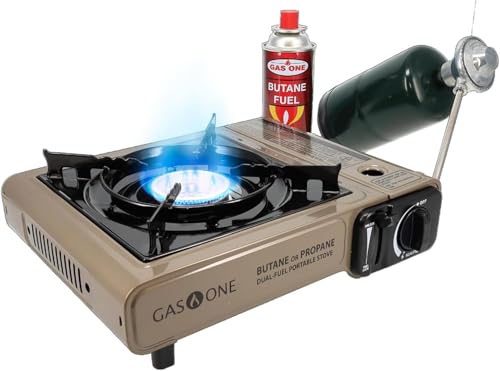
Ultimate Portable Stove Guide
Find the perfect camping stove for your outdoor cooking needs. Compare fuel types, features, and top-rated models.
Why a Portable Stove is Essential: A reliable camp stove transforms your outdoor experience. Whether you're brewing morning coffee or cooking a gourmet dinner, the right stove makes all the difference. This guide covers everything from fuel types to safety, helping you make an informed choice.
Types of Portable Stoves
Propane Stoves
Propane stoves are the most common for car camping. They offer high heat output, are easy to use, and fuel is widely available. Ideal for family camping and group cooking.
Learn about propane stoves →Butane Stoves
Butane stoves are compact and perfect for backpacking. They are lightweight, easy to ignite, and great for boiling water quickly. However, performance drops in cold weather.
Explore butane options →Multi-Fuel Stoves
Multi-fuel stoves can burn white gas, kerosene, and even unleaded gasoline. They are the choice for international travel and extreme conditions where fuel variety is key.
See multi-fuel stoves →Wood & Biomass Stoves
Wood stoves use twigs and pinecones as fuel, making them ultra-light for backpacking. They require a bit more skill but are perfect for Leave No Trace campers who prefer renewable fuel.
Discover wood stoves →Stove Comparison
| Fuel Type | Best For | Boil Time (1L) | Weight | Price Range |
|---|---|---|---|---|
| Propane | Car camping, families | 3-4 min | 2-5 lbs | $30–$80 |
| Butane | Backpacking, solo | 2-3 min | 0.5-1 lb | $20–$60 |
| Multi-Fuel | Expeditions, world travel | 2-4 min | 1-2 lbs | $100–$250 |
| Wood | Ultralight backpacking | 5-8 min | 0.3-1 lb | $40–$100 |
Key Features to Consider
🔥 Heat Output (BTU)
BTU measures the stove's power. Higher BTU means faster boiling and better cooking performance. For most camping, 8,000–12,000 BTU is ideal.
⚖️ Weight & Portability
If you're backpacking, every ounce matters. Lightweight stoves (under 1 lb) are essential. Car campers can prioritize features over weight.
💨 Wind Resistance
Wind can drastically affect cooking time. Look for stoves with built-in windshields or good pot stability. Some models include pressure regulators for consistent output in wind.
🛠️ Ease of Use & Maintenance
Self-igniting stoves are convenient. Also check how easy it is to clean the burner and change fuel. Simple designs often mean fewer things to break.
Portable Stove Safety
- Never use indoors: Always operate camp stoves outside in a well-ventilated area to prevent carbon monoxide poisoning.
- Check for leaks: Before connecting a fuel canister, check the seal for damage. Apply soapy water to connections and look for bubbles.
- Stable surface: Place your stove on a level, non-flammable surface. Clear the area of dry grass, leaves, or pine needles.
- Keep a fire extinguisher handy: Have a fire extinguisher or a bucket of water nearby, especially when cooking with oil or in dry conditions.
- Cool before packing: Let the stove cool completely before packing it away. This prevents burns and damage to your gear.
For more comprehensive safety guidelines, check out our campfire safety rules and first aid for camping guides.
Camp Cooking Tips
- Prep at home: Chop vegetables, marinate meats, and measure dry ingredients before you leave. This saves time and reduces waste.
- Use a windscreen: Even a simple aluminum foil windscreen can improve efficiency by directing heat to the pot.
- Pot lid is essential: A lid traps heat and speeds up boiling, saving fuel. Always bring pots with tight-fitting lids.
- Plan one-pot meals: One-pot meals are easier to cook and clean. Chili, stews, and pasta are excellent options.
Discover more camping culinary inspiration with our camping meals guide.
Advanced Considerations
Altitude & Temperature
At higher altitudes, water boils at a lower temperature, which can affect cooking times. Gas stoves also struggle in cold weather. Consider a multi-fuel or white gas stove for high-altitude winter camping.
Fuel Efficiency
Look for stoves with adjustable heat output and pressure regulators. These maintain consistent heat even as fuel pressure drops, maximizing efficiency.
Noise Level
Some stoves, especially canister stoves, can be loud. If you're in a quiet campground, consider a stove with a more muted flame or a simmer control.