Portable Self Contained Toilet: The Complete Buyer's Guide
Everything you need to know about choosing, using, and maintaining a portable self contained toilet for camping, RV trips, and emergency preparedness.
COMPARE TYPESWhy a portable self contained toilet matters: Whether you are camping off-grid, traveling in an RV, or preparing for emergencies, having a reliable sanitation solution protects your health, respects the environment, and keeps your outdoor experience comfortable. This guide breaks down everything you need to make an informed decision.
What Is a Portable Self Contained Toilet?
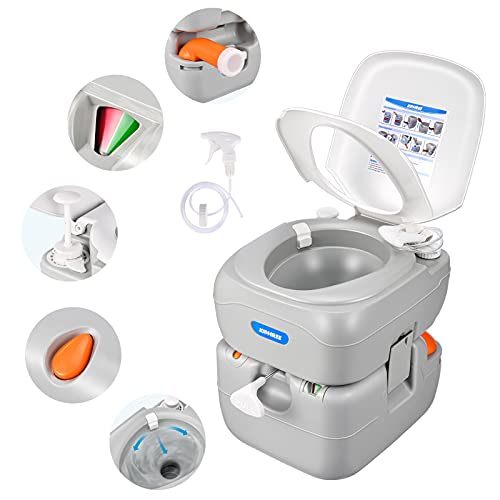
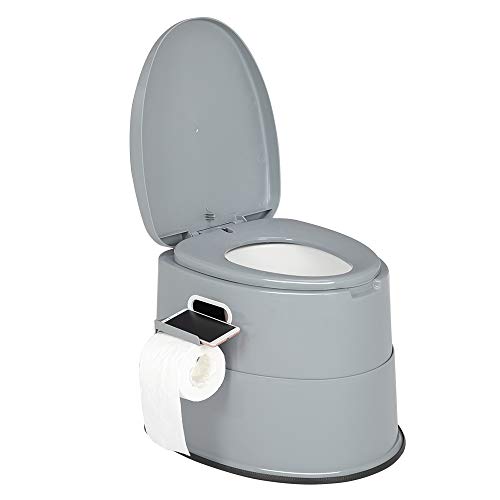
A portable self contained toilet is a freestanding sanitation unit that holds both waste and flushing water internally, requiring no plumbing, no external water connection, and no permanent installation. Unlike simple bucket toilets or RV toilets for sale that need to be plumbed into a vehicle's system, a self contained model is completely independent. You fill the freshwater tank, use the unit, and empty the waste tank at a designated disposal point.
These units are widely used in camping, RV travel, boating, van life, and emergency preparedness. They range from compact entry-level models suitable for occasional weekend trips to premium units designed for full-time off-grid living. Understanding the differences between flush mechanisms, tank capacities, and construction materials is essential before you buy.
Key Benefits of Self Contained Portable Toilets
No Plumbing Required
Completely self contained. Set it up anywhere — campsite, tent, boat, or garage — without connecting to water or sewer lines.
Hygienic & Odor Controlled
Sealed waste tanks and chemical treatments minimize odors and keep your camp clean and sanitary.
Portable & Compact
Lightweight designs with carrying handles make transport easy, even for solo campers and small vehicles.
Versatile Use Cases
Perfect for camping, RVing, boating, van life, emergency kits, and even home backup during plumbing outages.
Types of Portable Self Contained Toilets Compared
Not all portable toilets work the same way. The three main categories differ in flushing method, waste handling, and maintenance requirements. Use the table below to match the right type to your needs.
| Type | Flush Mechanism | Best For | Maintenance | Tier |
|---|---|---|---|---|
| Cassette Toilet | Manual piston pump with fresh water rinse | Camping, RV, van life | Empty cassette at dump station | Mid-Range |
| Composting Toilet | No water flush; separates solids and liquids | Off-grid, long-term camping | Compost solids; empty liquids frequently | Premium |
| Flushable Porta Potty | Bellows or pump flush with internal tank | Weekend camping, events | Empty combined tank | Entry-Level |
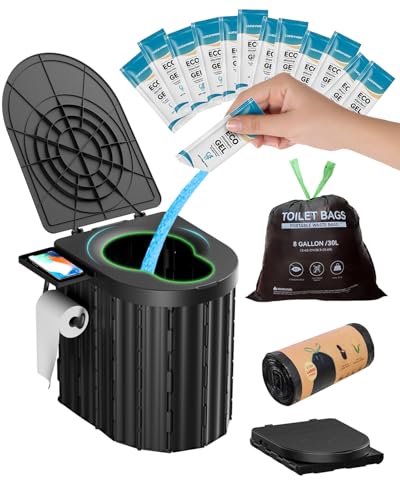
| Dry Separation Toilet | No water; separates waste streams | Minimalist camping, emergencies | Bag and dispose solids; drain liquids | Mid-Range |
Important Consideration
If you plan to camp in areas without dump stations, a composting or dry separation toilet may be more practical than a flushable model. Always check local regulations — some wilderness areas require pack-out systems. For RV-specific options, explore RV toilets for sale that integrate with your vehicle's plumbing.
How to Choose the Right Portable Toilet
Selecting the best unit depends on four critical factors: capacity, flush type, size, and durability. Here is what to evaluate before making a purchase.
1. Tank Capacity and Usage Duration
Capacity determines how long you can go between emptyings. Entry-level models typically hold enough for one person for a weekend. Mid-range units with larger waste tanks can support a small family for several days. Premium composting models separate waste streams and can go weeks without full emptying, though liquids require more frequent attention.
2. Flush Mechanism and Water Use
Manual piston pumps are the most common and reliable. Bellows systems are simpler but less powerful. Composting and dry separation toilets use no water at all, which is ideal for cold weather where freezing lines are a concern. If you camp in winter, read our guide on winter camping for additional cold-weather sanitation tips.
3. Size, Weight, and Portability
Compact models fit in tent corners or small vehicles. Larger units with full-size seats are more comfortable but heavier. Consider where you will store and use the toilet. For backpacking, a lightweight dry separation system is preferable. For car camping, a full-size cassette toilet is more comfortable.
4. Construction and Durability
Look for high-density polyethylene (HDPE) construction, which resists cracking and UV damage. Stainless steel or reinforced plastic mechanisms last longer than thin plastic parts. Premium models often include features like level indicators, pressure-release valves, and ergonomic handles.
- Level indicators — show when the waste tank needs emptying
- Pressure-release valves — prevent splashing during emptying
- Ergonomic handles — make transport easier when full
- Non-slip bases — keep the unit stable on uneven ground
- Sealed lids — contain odors effectively
Using and Maintaining Your Portable Toilet
Proper use and maintenance extend the life of your toilet and keep your camp hygienic. Follow these best practices.
Before Your Trip
Charge the freshwater tank with clean water and add the recommended amount of biodegradable toilet chemical. Never use household bleach, which can damage seals and interfere with waste treatment. Check that all seals are clean and lubricated. For a complete packing list, see our backpacking trip checklist.
During Use
Keep the lid closed when not in use to contain odors. Use toilet paper sparingly and consider rapid-dissolving varieties. If you are camping with dogs, ensure they cannot access the toilet area — see our guide on camping with dogs for pet safety tips.
Emptying and Cleaning
Empty the waste tank at a designated dump station or RV sanitary facility. Never dump waste in a campfire ring, pit toilet, or natural water source. After emptying, rinse the tank with clean water and a small amount of chemical. Allow all parts to dry completely before storing. For emergency sanitation planning, review our emergency preparedness camping guide.
Leave No Trace Reminder
Proper waste disposal is a core principle of Leave No Trace. Always pack out what you pack in, and use approved disposal facilities. If no dump station is available, carry waste to the nearest sanitary sewer connection.
Frequently Asked Questions
Ready to Choose Your Portable Toilet?
Browse our recommended selection of portable self contained toilets below. Whether you need an entry-level unit for weekend camping or a premium composting toilet for off-grid living, we have you covered.
VIEW RECOMMENDED MODELS