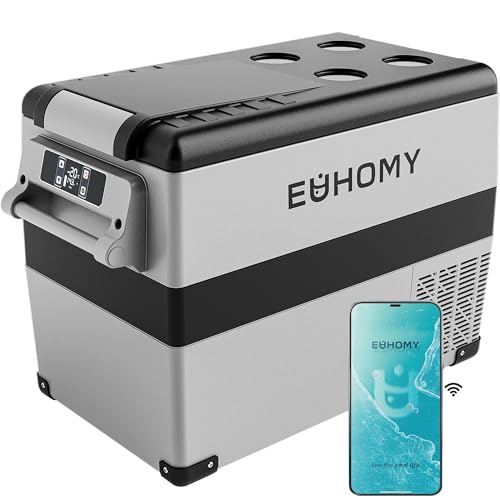
Electric Cooler for Camping: The Complete Guide
Keep your food fresh and drinks ice-cold on every adventure. Learn how to choose the right electric cooler for your camping style, from weekend car trips to off-grid expeditions.
Why an Electric Cooler? Unlike traditional ice chests, an electric cooler maintains consistent temperatures without ice, eliminating soggy food and daily ice runs. Whether you need a portable electric cool box for tailgating or a rugged 12V cooler for your car, understanding the technology helps you make a confident purchase.
How Electric Coolers Work
Electric coolers fall into two main categories, each with distinct advantages depending on your camping needs.
Compressor Coolers
- Use a refrigerant compressor like a home fridge
- Can freeze food and maintain sub-zero temperatures
- Highly energy-efficient for long trips
- Typically mid-range to premium tier
- Best for extended camping and overlanding
Thermoelectric Coolers
- Use the Peltier effect to transfer heat
- Cool to about 40°F below ambient temperature
- Lighter and more affordable (entry-level to mid-tier)
- No moving parts, very quiet operation
- Ideal for short trips and day use
If you frequently camp off-grid, pairing your cooler with a portable power station or solar charger ensures uninterrupted cooling. For vehicle-based adventures, a 12V cooler plugs directly into your car's outlet, while a portable electric cool box offers flexibility for picnics and events.
Key Features to Consider
Capacity & Size
Choose based on trip length and group size. Solo campers may prefer a compact 20–30 quart model, while families need 40–60 quarts or more. Consider interior dimensions for tall bottles and food containers.
Power Source
Most electric coolers run on 12V DC (car outlet) and some support 110V AC (wall outlet). Dual-power capability adds convenience for pre-cooling at home before departure.
Temperature Range
Compressor models can reach freezing, while thermoelectric units cool relative to ambient temperature. If you need ice cream or frozen meals, a compressor cooler is essential.
Insulation & Efficiency
Thick insulation and a well-sealed lid keep cold air in and hot air out. Better insulation means less run time and lower power draw, extending battery life on off-grid trips.
Portability
Look for sturdy handles, wheels, and a balanced weight distribution. A cooler you can easily move from car to campsite makes a big difference in overall experience.
Durability & Warranty
Rugged construction, corrosion-resistant materials, and a solid warranty indicate a quality build. Premium tier models often include better compressors and longer coverage.
Compressor vs Thermoelectric: Which Is Right for You?
The choice depends on how you camp and what you need to keep cold.
- Choose a compressor cooler if you camp for multiple days, need freezing capability, or want the most efficient cooling per watt. These are typically mid-range to luxury tier and are ideal for overlanding and extended road trips.
- Choose a thermoelectric cooler if you take short trips, want a lightweight option, or need a budget-friendly solution. These entry-level to mid-tier coolers are perfect for day trips, tailgating, and keeping drinks cold on the road.
- Consider hybrid models that offer both 12V and AC power, giving you flexibility at home and on the road. Many mid-tier and high-end units include this feature.
For those who want the convenience of a fridge without the ice, an electric cooler pairs well with other camp kitchen gear. If you're building a complete setup, explore our guides on camping equipment for car and necessities for car camping to ensure you have everything you need.
Installation and Usage Tips
Pre-Cool Before Loading
Plug in your cooler at home for a few hours before adding food. This reduces the workload on the compressor and helps maintain safe temperatures from the start.
Proper Ventilation
Ensure the cooler's vents are not blocked. Good airflow around the compressor or thermoelectric unit improves efficiency and prevents overheating.
Secure in Vehicle
Use straps or a non-slip mat to keep the cooler stable while driving. A sliding cooler can damage the unit and spoil food.
Power Management
Monitor your vehicle's battery if using a 12V outlet with the engine off. Many coolers have low-voltage protection, but a portable power station is a safer option for extended use.
Maintenance and Longevity
A well-maintained electric cooler can last for many seasons. Follow these simple practices:
- Clean the interior and exterior regularly with mild soap and water.
- Dry thoroughly before storing to prevent mold and odors.
- Store with the lid slightly open to allow air circulation.
- Check seals and gaskets for wear and replace if necessary.
- For compressor models, avoid tipping the unit upside down, which can damage the compressor.
Proper care extends the life of your investment and ensures reliable performance on every trip. If you're also looking at other cooling solutions, our guide on portable fridges covers additional options for campers.
Frequently Asked Questions
Can I run an electric cooler overnight?
Yes, but it depends on your power source. A 12V cooler connected to a car battery with the engine off can drain the battery. For overnight use, a portable power station or a dual-battery system is recommended. Compressor coolers are more efficient and can run longer on a given battery capacity.
Do electric coolers need ice?
No. Electric coolers actively cool the interior using either a compressor or thermoelectric module. This means no ice, no melted water, and no soggy food. You can pack your cooler and forget about ice runs entirely.
How long does an electric cooler take to cool?
Thermoelectric coolers typically take 1–2 hours to reach their maximum cooling, depending on ambient temperature. Compressor coolers cool faster and can reach freezing temperatures in about 30–60 minutes. Pre-chilling the cooler before loading speeds up the process.
Can I use an electric cooler in a tent?
Yes, but you need proper ventilation. Electric coolers release heat, so placing one in a sealed tent can make the interior uncomfortable. Use it in a well-ventilated area or outside the sleeping area. If you're camping in a tent, consider a 12V cooler that runs quietly and doesn't produce fumes.
Are electric coolers worth the investment?
For frequent campers, absolutely. They eliminate the ongoing cost and hassle of ice, keep food at consistent temperatures, and offer greater convenience. Entry-level thermoelectric models are budget-friendly, while premium compressor coolers deliver exceptional performance for serious outdoor enthusiasts.
Final Thoughts
Choosing the right electric cooler for camping comes down to understanding your needs: trip duration, power availability, and what you need to keep cold. A portable electric cool box is a versatile option for short outings, while a 12V cooler shines on road trips. For extended adventures, a compressor model paired with a portable power station and solar charger creates a reliable off-grid refrigeration system.
No matter which type you choose, an electric cooler transforms your camping kitchen, letting you enjoy fresh food and cold drinks wherever you roam. Combine it with a portable sink for camping and a camping gas cook top for a complete outdoor cooking setup.