Pop Up Campers for Sale by Owner: A Complete Buyer's Guide
Buying a pop up camper directly from a private owner can be one of the most rewarding ways to enter the world of RV camping. This guide will walk you through every step of the process, from finding the right listing to inspecting the unit and negotiating a fair deal.
The market for pop up campers for sale by owner offers a unique opportunity for savvy buyers. Unlike purchasing from a dealership, buying from a private seller often means a more personal transaction, potentially better value, and the chance to learn the camper's full history directly from the person who used it. However, it also requires you to be more diligent in your inspection and evaluation. Whether you're looking for a simple starter unit or a fully-equipped pop up camper with bathroom for sale, understanding the nuances of the private market is your key to success.
This comprehensive guide is designed for the research-stage buyer. You likely know you want a pop up camper, and you've probably seen listings in your area. Now, you need the expert knowledge to assess a potential purchase with confidence. We'll cover everything from the different types of pop up campers available to a detailed inspection checklist that will help you avoid costly mistakes.
The Core Advantage: Buying from an owner often gives you access to maintenance records, personal tips on setup, and a transparent view of how the camper was stored and used. This story is often more valuable than a polished showroom floor.
Why Consider the "For Sale by Owner" Market?
Opting for a private sale has distinct advantages that appeal to many campers. The most significant is often the potential for a better deal, as sellers are not burdened by the overhead costs of a dealership. This can translate into a lower asking price for a comparable unit, or a higher-tier model for your budget. More importantly, a private seller can provide an honest, firsthand account of the camper's performance, quirks, and any previous repairs.
You also have the opportunity to see the camper in its natural environment—perhaps already set up in their driveway or backyard. This allows you to witness the setup and takedown process, which is a crucial part of the pop up camper experience. For those considering a more rugged adventure, an off-road pop up camper for sale from an owner who actually used it on trails can give you real-world insights that a salesperson simply cannot.
Potential Advantages
- Potentially more competitive pricing
- Direct access to the camper's history
- Opportunity to see it set up before buying
- Can be a more personal and informative transaction
Potential Challenges
- No warranty or dealership support
- Financing can be more complex
- You are responsible for a thorough inspection
- Inventory is limited to what is locally available
Types of Pop Up Campers You'll Find
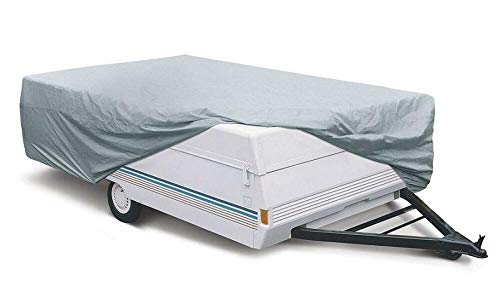
Not all pop up campers are created equal. Understanding the different styles will help you narrow your search and identify the best fit for your camping style. The classic folding camper is the most common, featuring a hard roof that cranks up and slide-out bed platforms. These are generally lightweight and can be towed by a wide range of vehicles.
A growing segment of the market is the hard-side pop up camper for sale. These units offer the compact towing profile of a traditional pop up but feature solid walls that are raised into place, often with a power lift system. They provide better insulation and security, making them a great choice for those who want to extend their camping season. For a true turnkey experience, some sellers offer a pop up camper with toilet and shower for sale, which adds a significant level of convenience for family trips.
| Camper Type | Best For | Key Consideration |
|---|---|---|
| Traditional Folding Camper | Budget-conscious families, first-time buyers | Lightweight, but canvas requires maintenance |
| Hard-Side Pop Up | Four-season campers, those wanting more security | Heavier, but more durable and insulated |
| Off-Road Pop Up | Boondockers, adventure seekers | Larger tires, higher clearance, robust frame |
| Slide-In Truck Camper | Pickup truck owners | Requires a suitable truck, check payload capacity |
For those with a pickup truck, you might also consider the distinct category of slide-in pop up campers for pickup trucks, which are a different breed altogether but offer similar compact advantages.
The Ultimate Pre-Purchase Inspection Checklist
This is the most critical part of the buying process. When you go to see a camper, you must be systematic. Do not let excitement cloud your judgment. A thorough inspection can save you thousands in unexpected repairs. Start by asking the owner to set up the camper completely, just as they would at a campsite. This is the best way to assess its true condition.
Exterior Inspection
- Canvas & Roof: Look for tears, mold, mildew, or dry rot. Check the seams and the condition of the bunk-end bungee cords. A replacement bag awning for a pop up camper is a common add-on, so check if one is included and its condition.
- Lift System: Operate the lift mechanism yourself. It should move smoothly without binding, grinding, or excessive effort. Listen for any unusual noises from the cables or pulleys.
- Frame & Undercarriage: Inspect for rust, cracks, or bends in the frame. Examine the axle and springs. If it's an off-road model, check the suspension components carefully.
- Tires & Bearings: Check tire date codes (they should be less than 5-6 years old) and tread depth. Ask when the wheel bearings were last repacked. This is a common maintenance item.
- Body & Panels: Look for delamination, water stains, or soft spots on the sidewalls and roof. Pay close attention to the corners and around any seals or vents.
Interior Inspection
- Water Damage: This is the number one enemy. Look for soft spots in the floor (especially around the entry door and galley), stained ceiling panels, and peeling wallpaper. A musty smell is a major red flag.
- Appliances: Test everything. Light the stove burners. Turn on the fridge (it will need time to cool). Check the furnace and the water pump. If there's an air conditioner, ask to run it.
- Electrical System: Check all interior lights, outlets, and the converter. Bring a small device to test the 12-volt and 110-volt systems. Examine the condition of the battery. If the camper has been upgraded, check the 12 volt LED strip lights for RV interior for even illumination.
- Plumbing: If equipped, check the sink, water lines, and any toilet or shower for leaks. Fill the fresh water tank and run the pump to check for pressure.
- Furniture & Upholstery: Check the condition of the cushions, dinette, and any cabinetry. Look for water stains under the cushions and inside cabinets.
For those looking at camper trailers that can be pulled by smaller vehicles, the inspection of the hitch, coupler, and safety chains is also paramount. Understanding campers that can be pulled by a car opens up a world of possibilities, but only if the towing setup is sound.
Negotiating the Deal and Handling Paperwork
Once you've completed your inspection, you'll have a clear picture of the camper's condition. This knowledge is your most powerful negotiation tool. If you found issues, use them to justify a lower offer. Be respectful but firm. A seller who is motivated will be willing to discuss the points you've raised. If the owner is unwilling to address legitimate concerns, it may be a sign to walk away.
When you agree on a price, you need to handle the paperwork correctly. This is not like buying a used sofa. You need a valid title, a bill of sale, and any warranty documents for appliances. Verify that the Vehicle Identification Number (VIN) on the title matches the one on the camper's frame. If the seller cannot produce a clean title, do not proceed with the transaction. For those who are also considering a more substantial investment, such as a unit from the range of pop up tent trailers with ATV rack options, the same rigorous paperwork checks apply.
Finally, consider the logistics. If you are buying a camper from a private owner, you are responsible for getting it home. Ensure your tow vehicle is properly equipped with the correct hitch, ball size, and wiring harness. A pre-purchase trip to a trusted RV mechanic for a final once-over is also a worthwhile investment for peace of mind.