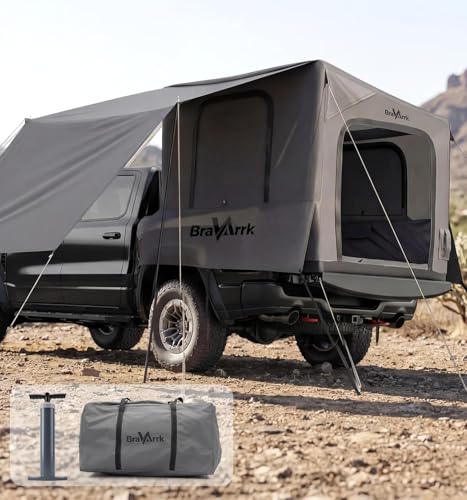
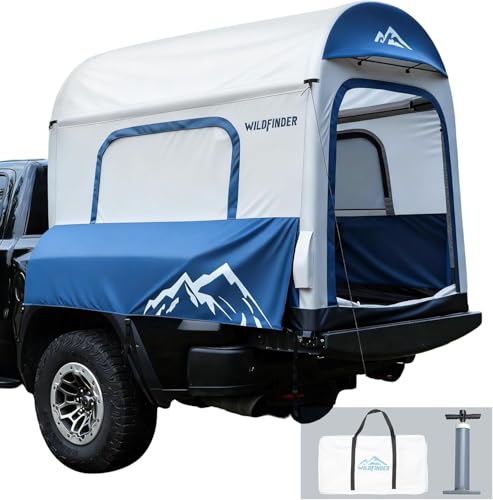
Pop Up Camper for Long Bed Truck: The Complete Guide
Everything you need to know about choosing, fitting, and living with a pop-up truck camper on a long bed pickup.
START YOUR RESEARCHWhy a Long Bed Matters: A pop-up camper for a long bed truck offers significantly more interior living space, better weight distribution, and greater comfort than short bed alternatives. This guide helps you understand fitment, features, and what separates a good camper from a great one — so you can make a confident buying decision.
What Is a Pop Up Camper for a Long Bed Truck?
A pop-up truck camper is a slide-in unit that mounts directly into the bed of a pickup truck. Unlike hard-sided truck campers, pop-up models feature a telescoping roof that lowers for travel and raises at camp, creating comfortable standing room and a more spacious living area. When paired with a long bed truck — typically a bed measuring 8 feet in length — these campers offer a significant advantage in livable space and cargo flexibility.
These campers are especially popular among overlanders, weekend adventurers, and full-time travelers who want the convenience of a self-contained shelter without the bulk and fuel penalty of a full-size RV. A well-chosen pop-up camper for a long bed truck can serve as a basecamp for hunting, fishing, mountain biking, or simply escaping to a remote campsite.
If you're still exploring different camper styles, you might also consider a truck bed pop up camper for sale as a point of comparison, or look at hard top pop up camper options if you prefer a more rigid structure.
Why Choose a Long Bed Camper?
Long bed trucks (8-foot beds) provide distinct advantages that short bed owners simply cannot match. Understanding these benefits helps you decide whether a long bed camper is the right investment for your setup.
1. More Interior Living Space
The extra length translates directly into a larger floor plan. Long bed pop-up campers often include dedicated sleeping areas, a dinette, a small kitchen, and even a wet bath — features that are cramped or entirely absent in short bed models. If you're camping with a partner or family, this space difference is immediately noticeable.
2. Better Weight Distribution
A longer camper spreads its weight more evenly across the truck's frame and suspension. This improves handling, reduces rear sag, and minimizes the risk of overloading the rear axle — a common concern with heavier short bed setups.
3. Greater Cargo and Storage Options
Long bed campers typically offer larger exterior storage compartments, bigger freshwater tanks, and more room for gear like bikes, kayaks, or coolers. Many models include a rear entry door with an awning, creating a functional outdoor living space.
4. Improved Stability at Camp
With a longer footprint, the camper feels more stable when the roof is raised and occupants are moving inside. This is especially important in windy conditions or on uneven terrain.
For those comparing layouts, a pop up camper for short bed truck may be necessary if you own a shorter bed, but long bed owners should capitalize on the extra room. If your truck bed is 6 feet, a slide in truck camper for 6 foot bed is the appropriate fit.
Fitment & Compatibility
Not all long bed trucks are identical. Before purchasing any camper, verify the following specifications against your specific truck model and year.
Truck Bed Dimensions
Long beds are generally 8 feet (96 inches) long, but width varies. Standard full-size trucks have beds approximately 5.5 feet wide inside the wheel wells. Measure your bed's interior length, width, and height to ensure the camper's base fits properly.
Payload Capacity
This is the single most important specification. Payload is the maximum weight your truck can safely carry, including passengers, cargo, and the camper itself. A typical pop-up camper for a long bed truck weighs between 1,000 and 2,500 pounds dry. Add water, propane, food, and gear, and you can easily exceed payload limits if you're not careful.
Check the driver's side door jamb sticker on your truck for the exact payload rating. Never exceed it.
Suspension and Tires
Heavy campers may require suspension upgrades such as air bags, helper springs, or heavy-duty shocks. Tires should be rated for the load; many truck owners upgrade to load range E tires for camper use.
Tailgate Clearance
Some campers require the tailgate to be removed, while others are designed to fit with the tailgate down or removed entirely. Confirm this with the camper manufacturer.
⚠️ Important: Always consult your truck's owner manual and a qualified mechanic before installing a truck camper. Overloading can lead to brake failure, suspension damage, and dangerous handling.
Key Features to Evaluate
When comparing pop-up campers for long bed trucks, focus on the features that matter most for your camping style. Here are the critical categories to evaluate.
Roof System
The pop-up roof is the defining feature. Look for a smooth, easy-to-operate lifting mechanism. Manual crank systems are common and reliable; powered systems offer convenience at a higher tier. The roof material should be durable, weather-resistant, and properly insulated for the seasons you plan to camp.
Sleeping Capacity
Long bed campers often sleep 3 to 4 people comfortably. Common configurations include a cab-over bed, a dinette that converts to a bed, and sometimes a bunk. Consider how many people will typically camp with you and whether you need a dedicated bed or convertible space.
Kitchen and Galley
Most pop-up campers include a two-burner stove, a small sink, and a refrigerator (often 12V or 3-way). Some models offer an outdoor kitchen slide-out, which is excellent for cooking without heating up the interior.
Bathroom Facilities
Not all pop-up campers have a bathroom. If this is a priority, look for models with a wet bath or a cassette toilet. You can also explore pop up camper with bathroom and shower options for more comfort. For those who prefer a simpler setup, a pop up camper with toilet for sale provides a middle ground.
Heating and Cooling
Furnaces are common in four-season campers. Air conditioning is less common in pop-ups but available in some premium models. If you camp in extreme temperatures, pay close attention to insulation and heating options.
Power and Water
Battery capacity, solar readiness, and freshwater tank size vary widely. A camper with a 20-gallon freshwater tank and a 100Ah battery is suitable for weekend trips; full-timers may want 30+ gallons and 200Ah+ with solar.
Storage
Exterior storage compartments, interior cabinets, and roof racks expand your gear-carrying capacity. Long bed campers typically excel here.
Quality Tiers Explained
Pop-up truck campers are available across a range of quality tiers. Understanding these tiers helps you set realistic expectations and choose the right camper for your needs and budget. Rather than focusing on prices, use these universal descriptors to guide your research.
| Tier | Typical Characteristics | Best For |
|---|---|---|
| Entry-Level | Basic construction, manual roof lift, minimal insulation, simple appliances, fewer standard features. | Weekend campers, first-time buyers, budget-conscious adventurers. |
| Mid-Range | Improved materials, smoother lift mechanisms, better insulation, more standard amenities, optional solar and bathroom. | Regular campers, small families, three-season travelers. |
| Premium | High-quality construction, powered lift, four-season insulation, premium appliances, robust off-grid capabilities. | Full-timers, extreme weather campers, off-grid enthusiasts. |
| Luxury | Custom craftsmanship, top-tier materials, advanced systems, spacious layouts, high-end finishes throughout. | Luxury travelers, those seeking maximum comfort and durability. |
Mid-range models often provide the best balance of features and durability for most buyers. Entry-level campers are a great starting point but may require upgrades over time. Premium and luxury tiers are designed for those who prioritize longevity, off-grid capability, and all-season comfort.
Model Comparison Table
The table below compares hypothetical camper configurations across common feature categories. Use this as a framework when evaluating real models from different manufacturers.
| Feature | Entry-Level Model | Mid-Range Model | Premium Model |
|---|---|---|---|
| Roof Lift | Manual crank | Assisted manual or powered | Powered with backup |
| Insulation | Basic, 2-season | Enhanced, 3-season | Four-season, thermal package |
| Sleeping | Cab-over + convertible dinette | Cab-over + dinette + optional bunk | Multiple dedicated beds |
| Kitchen | 2-burner stove, icebox | 2-burner stove, 12V fridge | 3-burner stove, compressor fridge, oven |
| Bathroom | None or portable toilet | Cassette toilet, optional wet bath | Full wet bath with shower |
| Power | Single battery, no solar | Dual battery, solar-ready | Lithium system, solar standard |
| Water | 10–15 gallons | 20–25 gallons | 30+ gallons, grey tank |
| Storage | Minimal | Moderate, exterior compartments | Extensive, roof rack, garage |
Buying Guide & Tips
Buying a pop-up camper for a long bed truck is a significant investment. Follow these guidelines to make a smart purchase.
1. Know Your Truck's Limits
Calculate your available payload by subtracting the weight of passengers, fuel, and cargo from your truck's GVWR. The remaining number is your camper budget. Never exceed it.
2. Decide on Must-Have Features
Make a list of non-negotiable features: bathroom, heater, solar, sleeping capacity, etc. This list will quickly narrow your options.
3. Consider New vs. Used
Used campers can offer excellent value, but inspect carefully for water damage, roof integrity, and appliance function. If you're open to pre-owned, explore pre-owned pop up campers for sale and pickup truck pop up camper for sale listings.
4. Think About Off-Road Use
If you plan to camp on rough terrain, look for campers with reinforced frames, off-road tires, and higher ground clearance. An off road pop up camper with bathroom combines rugged capability with comfort.
5. Plan for Storage and Maintenance
Where will you store the camper when not in use? Pop-up campers are easier to store than hard-sided models, but still require space. Regular maintenance includes resealing seams, checking the roof mechanism, and winterizing plumbing.
6. Join Owner Communities
Online forums and owner groups are invaluable for real-world feedback on specific models. Ask about common issues, towing stability, and customer service experiences.
Ready to Find Your Camper?
Browse our recommended selection of pop-up campers and truck camping gear below. We've curated options across quality tiers to help you start your search.
View Recommended Gear ↓Frequently Asked Questions
Will a pop-up camper for a long bed truck fit my truck?
Not automatically. You must verify bed length, bed width, and payload capacity. Most long bed campers are designed for 8-foot beds, but cab configuration (regular, extended, crew) can affect fitment. Always check the manufacturer's fitment guide.
Do I need a special license to drive with a truck camper?
In most regions, no special license is required for a standard pickup with a slide-in camper. However, if the combined weight exceeds certain thresholds, additional endorsements may apply. Check your local regulations.
Can I tow a trailer while using a truck camper?
Yes, many truck camper owners tow boats, trailers, or utility trailers. However, you must account for the tongue weight and ensure your truck's GCWR (Gross Combined Weight Rating) is not exceeded. A camper with a rear hitch extension may be needed.
How long does it take to set up a pop-up camper?
Setup typically takes 5 to 15 minutes, depending on the model. This includes raising the roof, extending any slide-outs, and connecting utilities if available. Practice at home before your first trip.
Are pop-up campers good for winter camping?
Entry-level pop-ups are not ideal for extreme cold. However, premium four-season models with thermal insulation, heated tanks, and a furnace can handle winter conditions. For dedicated winter camping, consider a 4 season canvas tent with stove jack or a hot tent camping setup as an alternative or supplement.
What is the difference between a pop-up camper and a hard-sided camper?
Pop-up campers have a telescoping roof that lowers for travel, reducing wind resistance and improving fuel economy. Hard-sided campers offer better insulation and security but are heavier and taller. Pop-ups are generally lighter and easier to store.
Can I camp off-grid with a pop-up truck camper?
Absolutely. Many owners camp off-grid using solar power, large freshwater tanks, and propane appliances. Look for campers with solar prep, good battery capacity, and efficient appliances. For remote camping, familiarize yourself with BLM camping rules and Leave No Trace principles.
Where can I find pop-up campers for sale near me?
You can search marketplaces, dealerships, and owner groups. Our guide on pop up campers for sale by me and pop up campers for sale around me can help you locate listings in your area.