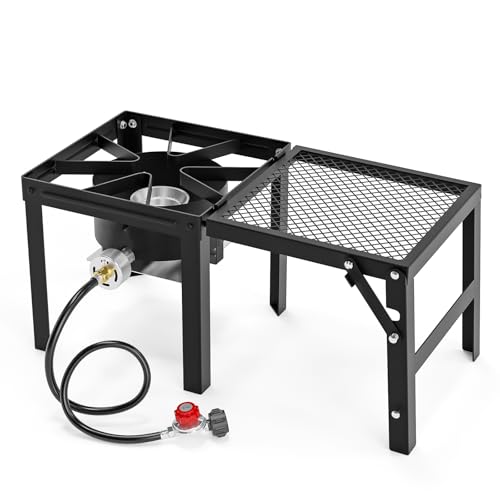
Propane Burners for Outdoor Cooking
From campsite breakfasts to backyard boils, find the perfect propane burner for your cooking style. Compare BTUs, portability, and durability to make an informed choice.
Shop Top PicksWhether you're a weekend camper, a tailgating enthusiast, or someone who loves outdoor cooking, a propane burner is one of the most versatile tools you can own. Unlike charcoal or wood, propane offers instant, adjustable heat that works in nearly any weather. This guide breaks down everything you need to know: from BTU output and burner design to portability and safety. By the end, you'll know exactly which propane burner fits your outdoor kitchen.
Why Choose a Propane Burner for Outdoor Cooking?
Propane burners are the backbone of outdoor cooking for good reason. They light instantly, provide consistent heat, and are easy to control. Here are the key advantages:
- Instant Heat: No waiting for coals to ash over. Turn the valve and you're ready to cook.
- Precise Temperature Control: Adjust the flame from a simmer to a rolling boil with a simple twist.
- Portability: Lightweight and compact, propane burners are easy to transport to campsites, parks, or tailgates.
- All-Weather Performance: Unlike electric grills, propane works in wind, rain, and cold temperatures.
- Clean Burning: Propane produces fewer emissions than charcoal or wood, making it a cleaner option for the environment.
For campers who want to upgrade their camp kitchen, a propane burner is a natural choice. It's also a great addition to your camping essentials list for quick meals and boiling water.
What to Look for in a Propane Burner
Not all propane burners are created equal. Before you buy, consider these five critical factors:
1. BTU Output (Heat Power)
BTU (British Thermal Unit) measures the heat output. Higher BTUs mean faster boiling and searing. For most outdoor cooking, 10,000–15,000 BTUs per burner is sufficient. High-output burners (20,000+ BTUs) are ideal for large pots or wok cooking. However, remember that efficiency matters—a well-designed burner can do more with fewer BTUs.
2. Number of Burners
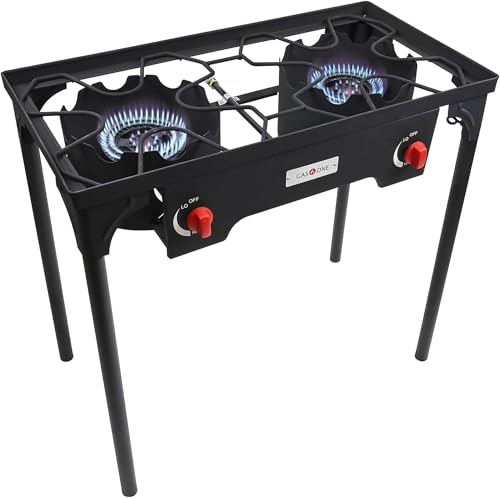
Single-burner stoves are lightweight and perfect for solo campers or boiling water. Double-burner models offer more cooking flexibility, allowing you to boil pasta while sautéing vegetables. For family camping or tailgating, consider a three-burner setup.
3. Portability and Weight
If you're backpacking, every ounce counts. Look for compact, foldable designs. For car camping or RV use, weight is less of a concern, and you can opt for larger, more stable models. Many burners come with a carrying case for easy transport.
4. Build Quality and Stability
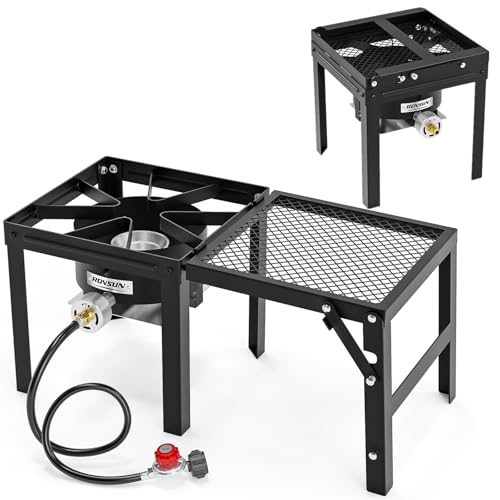
Look for stainless steel or cast iron construction. Sturdy legs and a wide base prevent tipping, especially when cooking with heavy pots. Wind guards are a bonus—they protect the flame from gusts, saving fuel and ensuring even cooking.
5. Fuel Type and Adaptability
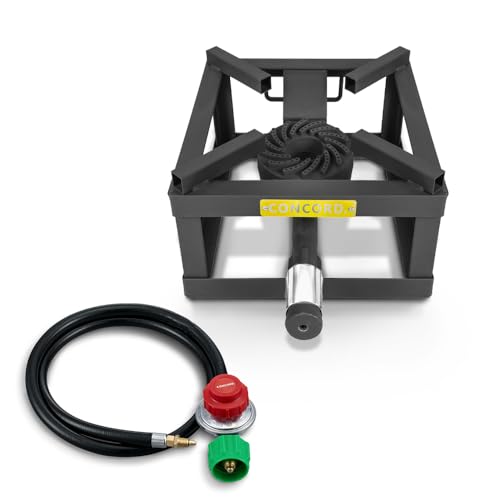
Most burners use disposable 16.4 oz propane cylinders, but some can be adapted to larger tanks via an adapter hose. This is a cost-effective option for extended trips. Check if the burner supports both small and large tanks.
For a deeper dive into camping cooking gear, check out our guide on camping cookware and camping utensils to complete your outdoor kitchen.
Top Propane Burners at a Glance
Here's a quick comparison of popular propane burners for outdoor cooking. Prices are approximate and may vary.
| Model | BTU Output | Number of Burners | Weight | Price (USD) |
|---|---|---|---|---|
| Camp Chef Explorer | 30,000 | 2 | 18 lbs | $180–$220 |
| Coleman Classic | 10,000 | 2 | 10 lbs | $70–$90 |
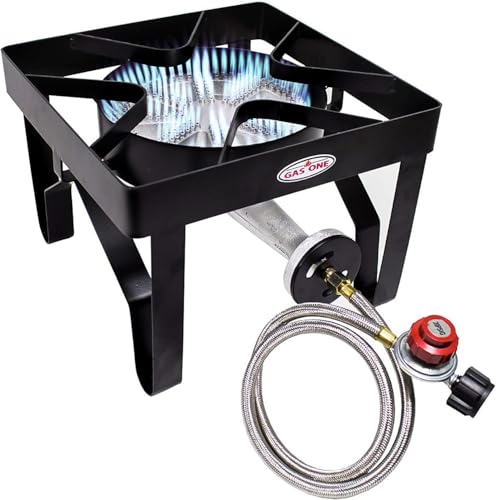
| Gas One Single Burner | 15,000 | 1 | 3.5 lbs | $40–$55 |
| Camp Chef Everest | 20,000 | 2 | 14 lbs | $150–$180 |
| Eureka Ignite Plus | 15,000 | 2 | 11 lbs | $120–$140 |
These models represent a range of price points and features. The Camp Chef Explorer is a favorite for its high output and durability, while the Gas One Single Burner is an affordable, ultra-portable option for solo adventurers.
Safety First: Using Your Propane Burner Responsibly
Propane is safe when handled correctly. Follow these essential safety tips:
- Check for Leaks: Apply soapy water to connections; bubbles indicate a leak. Never use a flame to test.
- Use Outdoors Only: Propane burners produce carbon monoxide. Always cook in a well-ventilated area.
- Stable Surface: Place the burner on a flat, level surface away from flammable materials.
- Keep a Fire Extinguisher Nearby: A small fire extinguisher or a bucket of water should be within reach.
- Turn Off When Not in Use: Always close the tank valve and burner valve after cooking.
For more camping safety advice, visit our camping safety hub and learn about campfire safety and emergency preparedness.
Get Cooking: Tips and Recipe Ideas
A propane burner opens up a world of culinary possibilities. Here are a few tips to get the most out of your stove:
- Use the Right Pot: Flat-bottomed pots distribute heat evenly. Cast iron and stainless steel work well.
- Wind Protection: Even a light breeze can reduce efficiency. Use a wind guard or position your stove behind a natural barrier.
- Simmering: For delicate sauces or rice, use a diffuser plate to spread the heat.
- Boiling Water: A high-BTU burner can boil water in minutes—perfect for pasta, soups, or rehydrating meals.
Looking for meal inspiration? Try our Dutch oven recipes or quick easy camping meals that are perfect for propane stoves. For breakfast lovers, our breakfast burrito recipe is a campsite favorite.
Propane and the Environment
Propane is a clean-burning fossil fuel. It produces fewer greenhouse gases than gasoline or diesel, and it doesn't spill or contaminate soil like liquid fuels. However, the disposable cylinders create waste. Consider using refillable tanks or an adapter for larger, reusable cylinders to reduce your environmental footprint. Always recycle your propane cylinders according to local regulations.
For more sustainable camping practices, read our guide on Leave No Trace principles and how to choose eco-friendly products for your outdoor adventures.
Ready to Choose Your Propane Burner?
A propane burner is a game-changer for outdoor cooking. Whether you're boiling water for coffee at sunrise or searing steaks under the stars, the right burner makes all the difference. Consider your cooking style, group size, and portability needs. With the information in this guide, you're well-equipped to select the perfect propane burner for your adventures.
Once you've chosen your burner, pair it with quality camping cookware and explore our camping checklists to ensure you have everything you need for a memorable trip. Happy cooking!
Pro Tip: If you plan to use your propane burner frequently, invest in a 20-pound tank and an adapter hose. It's more economical and reduces waste from disposable cylinders. Always store propane tanks upright and in a cool, dry place.