Non Perishable Food to Take Camping: The Ultimate Guide
Discover delicious, shelf-stable meal ideas and smart packing strategies for your next outdoor adventure — no cooler required.
Introduction: Fuel Your Adventure Without a Fridge
When you're heading into the great outdoors, the last thing you want is to worry about food spoiling. Whether you're planning a weekend car camping trip, a multi-day backpacking adventure, or an emergency preparedness kit, non perishable food to take camping is your best friend. These shelf-stable options are lightweight, safe, and surprisingly delicious when you know what to pack.
In this guide, we'll walk you through the best non-perishable foods, creative meal combinations, and expert packing tips so you can focus on enjoying nature instead of stressing about your cooler. If you're new to camping, you might also want to check out our guide on camping gear for first-time campers to build a solid foundation.
Why Choose Non Perishable Food for Camping?
Non-perishable foods offer several advantages that make them ideal for outdoor adventures:
- No refrigeration needed: Perfect for trips where you don't have access to a cooler or ice.
- Lightweight and compact: Ideal for backpacking and hiking when every ounce counts.
- Long shelf life: Stock up in advance without worrying about expiration dates.
- Budget-friendly: Entry-level and mid-range options are widely available at any grocery store.
- Versatile: From breakfast to dinner and snacks in between, there's a shelf-stable option for every meal.
Pro Tip: Even if you're car camping with a cooler, bringing non-perishable backups is smart. Coolers can fail, ice can melt, and having a safety net ensures you never go hungry. For more ideas on meals that don't require a fridge, see our article on food to take camping without fridge.
Best Non Perishable Foods to Take Camping
Here's a breakdown of the top categories and specific items that should be on your list:
1. Grains & Carbohydrates
- Instant rice and couscous: Just add hot water for a quick base.
- Pasta and noodles: Ramen, instant noodles, and small pasta shapes cook fast.
- Oatmeal packets: A classic camping breakfast — just add hot water.
- Tortillas and hardtack: Tortillas stay fresh longer than bread and are perfect for wraps.
- Crackers and crispbread: Great for snacks and as a base for spreads.
2. Proteins
- Canned tuna, salmon, and chicken: Choose pop-top cans for convenience.
- Jerky and meat sticks: High in protein and requires no preparation.
- Peanut butter and nut butters: Calorie-dense and versatile.
- Canned beans and chickpeas: Ready to eat and filling.
- Dehydrated refried beans: Lightweight and quick to rehydrate.
3. Fruits & Vegetables
- Dried fruits: Raisins, apricots, mangoes, and apple rings.
- Freeze-dried vegetables: Lightweight and rehydrate quickly in soups or stews.
- Canned fruit: In juice or syrup — a sweet treat after a long hike.
- Apples and oranges: These hardy fruits last several days without refrigeration.
4. Snacks & Energy Boosters
- Trail mix and nuts: A camping staple for good reason.
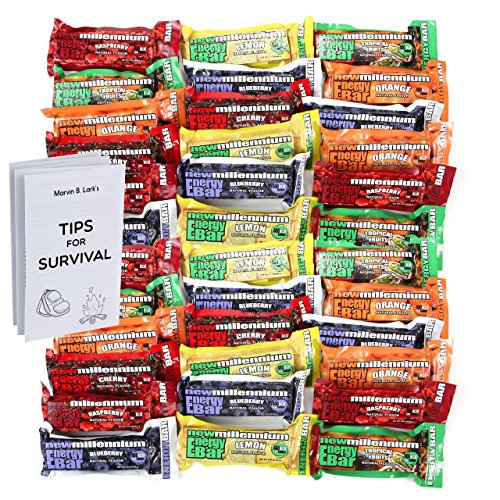
- Granola and energy bars: Look for high-calorie options for backpacking.
- Dark chocolate: Melts less than milk chocolate and provides a mood boost.
- Popcorn: Lightweight and fun to make over a campfire.
5. Condiments & Extras
- Honey and maple syrup: Natural sweeteners that don't spoil.
- Olive oil and coconut oil: For cooking and adding flavor.
- Spices and salt: Small containers of your favorites elevate any meal.
- Instant coffee and tea bags: Essential for morning morale.
- Powdered drink mixes: Add flavor to water and boost electrolytes.
Note: For those with dietary restrictions, many of these options have gluten-free and dairy-free alternatives. See our guide on gluten-free dairy-free camping food for specialized recommendations.
Meal Ideas & Combinations
Combining non-perishable ingredients into satisfying meals is easier than you think. Here are some ideas to get you started:
Breakfast
- Oatmeal with dried fruit and nuts: Add hot water, stir, and enjoy.
- Peanut butter and banana wraps: Use tortillas for a quick, energy-packed breakfast.
- Instant coffee with a granola bar: Simple and effective for early starts.
Lunch
- Tuna wraps: Canned tuna, mayo packets (shelf-stable), and tortillas.
- Hummus and cracker plates: Use shelf-stable hummus or make your own from canned chickpeas.
- Trail mix and jerky: A no-prep lunch for busy hiking days.
Dinner
- Rice and beans: Instant rice, canned beans, and spices.
- Pasta with tuna and olive oil: A classic that feels gourmet in the woods.
- Couscous with dried vegetables: Just add hot water and let it steep.
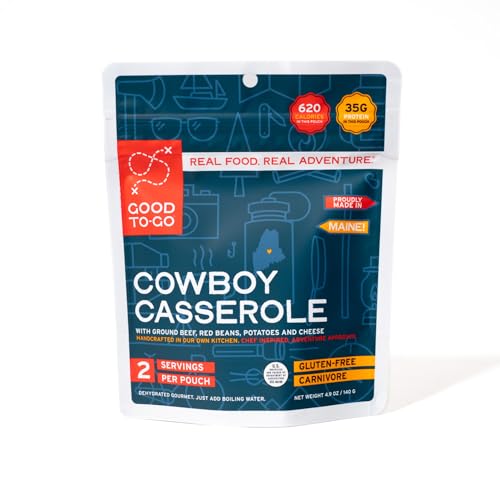
- Dehydrated meals: Store-bought or homemade — just add water.
For more inspiration, including meals you can prepare ahead of time, check out our articles on easy camping meals to prepare ahead and quick and easy camping dinner ideas.
Smart Packing Tips for Non Perishable Food
Packing efficiently ensures your food stays organized, safe, and accessible. Here's how to do it right:
- Repackage items: Remove excess packaging and transfer to resealable bags to save space and reduce weight.
- Use clear containers: A small see-through bin makes it easy to find what you need without unpacking everything.
- Separate by meal: Pre-portion ingredients for each meal into labeled bags.
- Protect against crushing: Pack chips and crackers in hard containers or at the top of your pack.
- Keep smells contained: Use odor-proof bags for strong-smelling foods, especially in bear country. Review our food storage rules for more details.
- Bring a small cutting board and knife: A lightweight, foldable option makes food prep easier.
Weight Consideration: For backpacking, aim for foods that are calorie-dense and lightweight. Nuts, nut butters, and dehydrated meals are excellent choices. If you're carrying all your gear, check out our lightweight camping gear for hiking recommendations.
Safety & Storage Guidelines
Even non-perishable food requires proper handling to stay safe and delicious:
- Check expiration dates: Before your trip, verify that everything is still within its shelf life.
- Store in a cool, dry place: Avoid leaving food in direct sunlight or hot vehicles.
- Use airtight containers: This prevents moisture, pests, and spills.
- Practice Leave No Trace: Pack out all trash, including food wrappers and leftovers. Learn more in our Leave No Trace principles guide.
- Wildlife safety: Never leave food unattended, and store it properly at night. In bear country, use bear canisters or hang food bags. See our bear spray vs gun comparison for defense options.
Frequently Asked Questions
How long does non-perishable food last on a camping trip?
Most non-perishable foods last for months or even years if stored properly. Once opened, however, they should be consumed within a few days, depending on the item. Canned goods should be eaten within 1-2 days after opening if not refrigerated.
Can I bring non-perishable food on a plane for a camping trip?
Yes, most solid non-perishable foods are allowed in both carry-on and checked luggage. However, liquids and gels (like peanut butter) may be subject to TSA restrictions in carry-on bags. Always check with your airline before flying.
What are the best non-perishable foods for backpacking?
For backpacking, prioritize calorie-dense, lightweight options: nut butters, trail mix, jerky, dehydrated meals, instant rice, couscous, and energy bars. These provide maximum energy with minimal weight.
How do I keep non-perishable food safe from wildlife?
Use odor-proof bags or bear canisters, and never store food in your tent. In bear country, hang food bags at least 10 feet off the ground and 4 feet from tree trunks, or use a approved bear canister. Follow local regulations and practice Leave No Trace principles.
Can I make my own non-perishable camping meals?
Absolutely! You can dehydrate fruits, vegetables, and even full meals at home. Combine them with instant rice or couscous for a custom, lightweight meal. Check out our guide on make ahead foil packets for camping for more inspiration.
Final Thoughts
Packing the right non perishable food to take camping is a game-changer for any outdoor adventure. It eliminates the stress of spoilage, reduces your dependency on coolers, and ensures you're always prepared for a delicious meal — no matter where you are. Whether you're a beginner or a seasoned camper, incorporating shelf-stable foods into your meal plan will make your trips smoother and more enjoyable.
Ready to plan your next adventure? Explore more of our camping food guides, including non-perishable food to take camping and easy camping meals for picky eaters, to build the perfect menu for your trip.