Manual Air Pump for Air Mattress: Complete Buyer Guide
Choose the right manual pump for your air mattress — hand pumps, foot pumps, and double-action models compared. Inflate your bed quickly and reliably without electricity.
A manual air pump for an air mattress is an essential piece of gear for any camper who wants to sleep comfortably without relying on electricity. Whether you're camping in a remote boondocking site, setting up a tent at a state park, or simply need a backup for your electric pump, a manual pump is reliable, lightweight, and never runs out of battery.
In this guide, we'll explore the different types of manual pumps, their pros and cons, and what to look for when buying one. We'll also compare the best models on the market so you can make an informed decision before your next outdoor adventure.
Why Choose a Manual Air Pump?
While electric air pumps are convenient, they require a power source — which isn't always available when you're camping off-grid. A manual pump offers several advantages:
- No electricity needed – Perfect for tent camping, RV camping, or any remote location.
- Lightweight and compact – Easy to pack in your camping backpack.
- Durable and low-maintenance – Few moving parts, so less chance of failure.
- Quiet operation – No motor noise, ideal for quiet campgrounds.
- Cost-effective – Generally cheaper than electric pumps and never need batteries.
If you're looking for a reliable inflation method that works anywhere, a manual air pump is your best bet.
Types of Manual Air Pumps
Hand Pumps
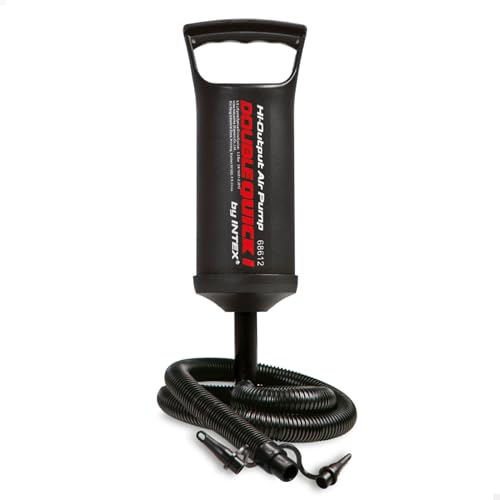
$15 – $30Hand pumps are the most common type. They use a simple piston or bellows design to push air into the mattress. Great for single-person use and small to medium-sized air beds.
Pros: Compact, affordable, easy to use.
Cons: Requires physical effort; can be tiring for large mattresses.
Foot Pumps
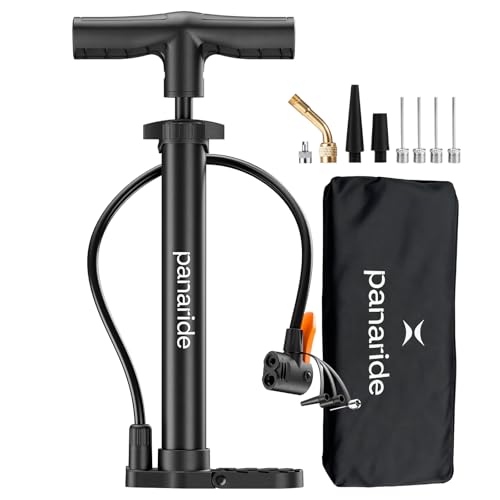
$20 – $40Foot pumps are operated by stepping on a pedal or bellows. They are hands-free, making them ideal if you need to hold the valve or nozzle while inflating.
Pros: Hands-free operation, good for larger mattresses.
Cons: Slightly bulkier; requires steady footwork.
Double-Action Pumps
$25 – $60Double-action pumps push air on both the upstroke and downstroke, inflating the mattress twice as fast as single-action models. They are available as hand or foot pumps.
Pros: Fast inflation, efficient design.
Cons: Higher price point; may require more effort per stroke.
Manual Pump Comparison
| Type | Best For | Inflation Speed | Effort Level | Avg. Price |
|---|---|---|---|---|
| Hand Pump (Single-Action) | Small to medium mattresses | Slow | Moderate | $15 – $25 |
| Hand Pump (Double-Action) | Medium to large mattresses | Fast | High | $30 – $50 |
| Foot Pump (Single-Action) | Hands-free inflation | Moderate | Low | $20 – $35 |
| Foot Pump (Double-Action) | Large mattresses, high volume | Very Fast | Moderate | $40 – $60 |
How to Choose the Right Manual Air Pump
When selecting a manual air pump for your air mattress, consider the following factors:
- Mattress Size: Larger mattresses (queen, king) require more air volume. A double-action pump will save you time and effort.
- Portability: If you're backpacking, choose a compact hand pump. For car camping, a foot pump may be a better option.
- Nozzle Compatibility: Ensure the pump comes with multiple nozzles to fit different valve types (Boston, pinch, or military valves).
- Build Quality: Look for pumps made from durable materials like steel, aluminum, or heavy-duty plastic.
- Ease of Use: Consider how much physical effort you're willing to exert. Foot pumps are easier on your arms but require coordination.
If you're unsure, a double-action hand pump is a great all-rounder that balances speed, portability, and price.
Tips for Using a Manual Air Pump
- Prime the pump: Before attaching to the mattress, give the pump a few strokes to ensure it's working properly.
- Keep the valve clean: Dirt or debris can cause air leaks. Wipe the valve and nozzle before each use.
- Don't over-inflate: Air mattresses should be firm but not rock-hard. Over-inflation can damage the seams.
- Store properly: After use, release some air and store the pump in a dry place to prevent rust or mold.
- Use a built-in pump as backup: Some air mattresses come with built-in pumps, but a manual pump is a great backup if the electric pump fails.