Lightweight Backpacking Fishing Kit: The Ultimate Guide
Master the art of ultralight angling. Discover how to build a compact, versatile fishing kit that won't weigh down your backpack, so you can fish pristine alpine lakes and remote rivers on any adventure.
Explore Gear RecommendationsWhy carry a fishing kit? For many backpackers, the allure of casting a line into a secluded mountain lake or a wild river is irresistible. The challenge has always been weight. A traditional tackle box and rod are simply too heavy. However, modern ultralight gear has changed everything. A well-curated lightweight backpacking fishing kit can weigh as little as a few ounces, transforming your backpacking trip into a multifaceted adventure. This guide will walk you through every component, from rods and reels to tackle and tools, helping you make informed decisions for your next journey.
Core Components of an Ultralight Fishing Kit
Building a lightweight kit is about strategic choices. Every item must justify its place in your pack. The goal is to maximize versatility and fishability while minimizing weight and bulk. Here are the essential categories you need to consider.
1. The Rod: Packable & Versatile
The rod is the foundation. For backpacking, you need a rod that collapses or breaks down into a small, packable size. Tenkara rods are a popular ultralight choice, as they are telescopic, have no reel, and are perfect for small streams. 4-piece or 5-piece travel spinning rods offer more versatility for lakes and rivers. Look for models made from graphite or fiberglass, which balance sensitivity and durability. A rod that breaks down to under 20 inches is ideal.
2. The Reel: Compact & Smooth
If you're not using a Tenkara setup, a compact spinning reel is your next best bet. Look for a reel in the 1000 to 2500 size range. These are lightweight yet capable of handling most freshwater fish. A smooth drag system is crucial for landing larger catches. Consider reels with a high gear ratio for quick line retrieval. For the ultimate weight savings, some anglers opt for a simple fly reel paired with a lightweight fly rod, but this requires more skill.
3. The Line: The Critical Connection
Your line choice can make or break your kit. For spinning gear, braided line is a top choice for backpacking. It has a very thin diameter for its strength, allowing you to spool more line with less weight. It also has virtually no stretch, which improves sensitivity and hooksets. A 10-15 lb braided line is a great all-around choice for freshwater. For Tenkara, a fluorocarbon level line is typically used.
4. The Tackle: A Minimalist Approach
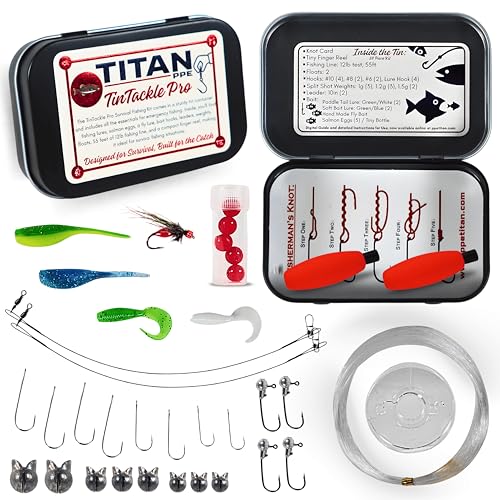
You don't need a massive tackle box. A small, waterproof fly box or a few tiny zip-top bags can hold a versatile selection of lures. The key is to bring lures that can catch a variety of fish. Small spinners (like Mepps or Rooster Tails), spoons, and a few soft plastic grubs are excellent choices. For fly fishing, a selection of nymphs, dry flies, and streamers in sizes 12-16 will cover most situations.
Choosing Your Gear: A Tier-Based Comparison
To help you decide, here is a comparison of the different tiers of gear you might consider. Remember, the "best" choice depends on your budget, the type of water you'll be fishing, and your personal preferences. This table provides a general overview of what to expect at each level.
| Component | Entry-Level / Budget-Friendly | Mid-Range / Mid-Tier | Premium / High-End |
|---|---|---|---|
| Rod | Fiberglass, 5-6 pieces, heavier, less sensitive. Good for occasional use. | Graphite blend, 4-5 pieces, good balance of weight and sensitivity. | High-modulus graphite, 4-piece, extremely lightweight, sensitive, and durable. |
| Reel | Basic spinning reel, fewer ball bearings, drag may be less smooth. | Reel with 5-7 ball bearings, smoother drag, lighter body materials. | Reel with 8+ ball bearings, sealed drag system, carbon fiber body, ultra-smooth. |
| Tackle | A few generic spinners and spoons. Limited color options. | A curated selection of name-brand lures in proven colors and sizes. | Hand-tied flies, premium Japanese lures, and a wide variety of specialized tackle. |
| Tools | Basic multi-tool, simple line clippers. | Dedicated fishing multi-tool with pliers, cutters, and hook sharpener. | Titanium nippers, precision forceps, and a lightweight, high-quality toolset. |
Pros and Cons of Ultralight Fishing
Advantages
- Minimal impact on your pack weight and volume.
- Allows you to fish remote waters that are inaccessible to day-trippers.
- Adds a new dimension of enjoyment to your backpacking trips.
- Modern gear is surprisingly capable and durable.
- Can be a source of fresh food in a survival situation.
Disadvantages
- Ultralight gear can be more delicate and requires careful handling.
- Limited tackle selection compared to a full-size kit.
- Can be more challenging to land large fish with light gear.
- Higher initial investment for top-tier ultralight equipment.
- Requires a different mindset and skill set than traditional fishing.
Essential Accessories for Your Kit
Beyond the core components, a few small accessories can make a big difference. A small pair of forceps or hemostats is invaluable for removing hooks from deep-hooked fish. A line clipper or nipper is essential for trimming knots and lines. A small multi-tool can handle repairs on the go. Don't forget a fishing license (where required) and a way to store your catch, such as a stringer or a creel, if you plan to keep fish. When planning your trip, remember to check local regulations, especially regarding fire bans and Leave No Trace principles to minimize your impact.
How to Pack Your Fishing Kit for Backpacking
Organization is key. Use a small, lightweight stuff sack or a dedicated pouch to keep all your fishing gear together. This makes it easy to find and prevents small items from getting lost in your pack. Your rod should be packed in its own protective case or tube to prevent breakage. Many anglers prefer to attach the rod tube to the outside of their pack for quick access. Ensure your reel is protected from impacts. For more tips on organizing your pack, see our guide on essential equipment for backpacking. If you're camping near water, you might also want to consider a waterproof tent to protect your gear from unexpected rain.
Safety and Ethical Considerations
Fishing in the backcountry comes with responsibilities. Always check local fishing regulations, including licensing requirements, seasons, and catch limits. Practice catch-and-release whenever possible, especially for native species. Handle fish with wet hands to protect their protective slime layer. Be aware of your surroundings; when fishing in remote areas, you are in bear country. Follow proper food storage rules and consider carrying bear spray. Before you head out, it's wise to review emergency communication options, as cell service is often non-existent. A satellite communicator or a two-way radio can be a lifesaver. Also, be prepared for common camping injuries and know first aid for camping.
Frequently Asked Questions
What is the lightest type of fishing rod for backpacking?
Tenkara rods are generally considered the lightest option, as they are telescopic and do not require a reel. A complete Tenkara setup can weigh as little as 2-3 ounces. For spinning gear, a 4-piece graphite travel rod is your best bet for a balance of weight and performance.
Do I need a fishing license to fish in the backcountry?
In most jurisdictions, yes. A valid fishing license is required for anyone attempting to catch fish, regardless of whether it's in a remote backcountry lake or a local river. Always check the specific regulations for the state or country you are visiting. You can often purchase a short-term license online.
What are the best lures for backpacking fishing?
The best lures are small, versatile, and can catch a variety of species. Small spinners (size 0-2), lightweight spoons, and small soft plastic baits are excellent choices. For fly fishing, a selection of nymphs and dry flies in sizes 12-16 will cover most situations. The key is to bring a small, curated selection rather than a large box.
Can I use a regular fishing rod for backpacking?
You can, but it's not ideal. A standard one-piece or two-piece rod is long and cumbersome to pack. It can easily be damaged during transit. A dedicated travel rod that breaks down into 4 or 5 pieces is a much better choice for backpacking.
How do I handle a fish I've caught in the backcountry?
If you plan to release the fish, wet your hands before handling it to protect its slime layer. Use forceps to remove the hook quickly and carefully. If you plan to keep the fish, dispatch it humanely and store it properly. Never leave fish entrails near your campsite, as this can attract wildlife. Follow food storage rules for any fish you keep.
Ready to build your own ultralight fishing kit? Check out our recommended gear below to find the perfect components for your next backpacking adventure.
View Recommended Gear