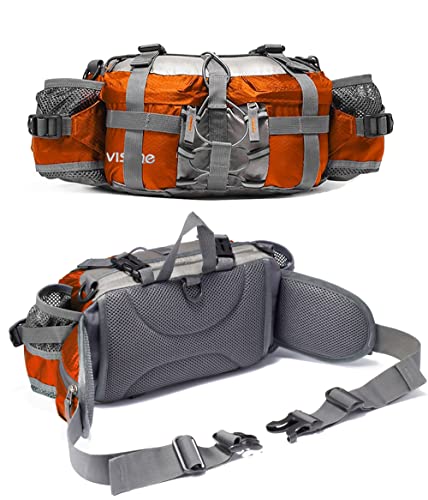
Hiking Hip Pack with Water Bottle Holder: The Ultimate Trail Companion
Discover how a well-designed hip pack with integrated hydration keeps you moving comfortably on every hike, walk, and outdoor adventure.
START READINGWhy a Hip Pack with Water Bottle Holder Changes Your Hike: Carrying water is non-negotiable on any trail, but traditional backpacks can feel heavy and restrictive. A hiking hip pack with a dedicated water bottle holder solves this by distributing weight across your hips while keeping hydration within arm's reach. You drink more frequently, stay hydrated longer, and barely notice you're carrying anything at all.
Whether you're a day hiker, trail runner, or casual walker, this guide will walk you through everything you need to know about choosing the right waist pack with water bottle holder for your specific needs. We'll cover design features, sizing, materials, and practical tips so you can make an informed decision before you buy.
Key Benefits of a Hydration Hip Pack
🎒 Weight Distribution
By resting on your hips rather than shoulders, a hip pack transfers the load to your body's strongest weight-bearing area. This reduces fatigue on your shoulders and back, making longer hikes feel noticeably easier.
💧 Instant Hydration
A water bottle holder positioned on the hip or front of the pack lets you grab a drink without stopping or removing your pack. This encourages consistent hydration, which is critical for maintaining energy and focus on the trail.
🌬️ Breathability
Unlike backpacks that cover your entire back, hip packs leave your spine and shoulders open to airflow. This keeps you cooler and reduces sweat buildup, especially during intense climbs or hot weather hikes.
🔄 Freedom of Movement
Your arms and shoulders remain completely unrestricted, which is ideal for scrambling, trekking poles, or photography. You can bend, twist, and reach without the pack shifting or pulling.
Essential Features to Evaluate Before Buying
Not all hip packs are created equal. The best hiking hip pack with water bottle holder combines thoughtful design with durable materials. Here are the features that matter most:
- Bottle Holder Design: Look for a dedicated sleeve or pocket that securely holds a standard water bottle (typically 16–24 oz). Some packs use an angled holster for easier access, while others use a vertical sleeve with a retaining strap. Consider whether you prefer a front-mounted holder for quick access or a side-mounted one for better balance.
- Hip Belt Width and Padding: A wider, padded belt distributes weight more effectively and prevents chafing. Entry-level packs often use narrower straps, while premium models feature contoured, breathable foam padding that molds to your hips.
- Main Compartment Capacity: Even a minimal hip pack should hold essentials like your phone, keys, snacks, a small first aid kit, and a lightweight layer. Look for packs with 2–5 liters of total storage for day hikes.
- Material and Weather Resistance: Ripstop nylon and polyester are common and durable. Higher-end packs may use water-resistant coatings or include a rain cover. If you hike in wet climates, prioritize weather-resistant materials.
- Ventilation and Moisture Management: Mesh back panels and moisture-wicking linings keep you comfortable. Some packs use air mesh channels to promote airflow against your body.
- Additional Pockets and Organization: Small zippered pockets for keys, a phone sleeve, and elastic loops for trekking pole tips or sunglasses add convenience without much weight.
- Bottle Security: A retaining strap or elastic band prevents your bottle from bouncing or falling out on rough terrain. This is especially important if you plan to trail run or scramble.
Understanding Quality Tiers
Hip packs fall into distinct tiers based on materials, construction, and design refinement. Use this table to match your needs with the right tier. Note that these descriptors reflect relative market positioning, not specific prices.
| Tier | Typical Materials | Best For | Key Characteristics |
|---|---|---|---|
| Entry-Level | Basic nylon, simple webbing | Casual walks, short hikes, beginners | Lightweight, basic bottle sleeve, minimal padding, fewer pockets |
| Mid-Range | Ripstop nylon, mesh padding | Regular day hikes, trail running | Better belt padding, secure bottle retention, multiple pockets, breathable back panel |
| Premium | High-denier ripstop, water-resistant coatings | Technical trails, long-distance hiking | Contoured ergonomic fit, advanced ventilation, weather resistance, refined organization |
Mid-range models typically offer the best balance of comfort and durability for most hikers. Entry-level packs are fine for occasional use, while premium options shine when you need reliability over many miles and varied conditions. If you're also considering a larger carrying solution for longer trips, our guide on hiking backpacks with tent and sleeping bag covers multi-day options.
How to Choose the Right Hip Pack for Your Hiking Style
Your ideal hip pack depends on how, where, and how long you hike. Here's a practical framework:
For Casual Day Hikes (1–3 hours)
A lightweight hip pack with a single bottle holder and a small main compartment is sufficient. Prioritize comfort and simplicity. You don't need heavy padding or extensive organization. Focus on a secure bottle sleeve and a fit that doesn't bounce.
For Full-Day Hikes (4–8 hours)
Look for a mid-range pack with a wider, padded belt and at least 3–4 liters of storage. You'll want room for snacks, a lightweight rain jacket, a phone, and a basic first aid kit for camping and hiking. Bottle retention becomes more important as you'll be moving continuously.
For Trail Running and Fastpacking
Minimalist design is key. Choose a pack that sits snugly against your lower back without bouncing. Many trail-running-specific hip packs use soft flasks instead of rigid bottles, but rigid bottle holders are also available. Prioritize breathability and a secure fit above all else.
For Travel and Urban Walking
A hip pack with a water bottle holder doubles as a practical travel companion. Look for a sleek design that transitions from trail to city. Anti-theft features like hidden zippers and RFID-blocking pockets are bonuses if you plan to use it in crowded areas.
Sizing and Fit: Getting It Right
A hip pack only works if it fits properly. Here's how to get it right:
- Measure Your Hips: Use a soft tape measure around the widest part of your hips, usually where your hip bones are. Compare this to the manufacturer's sizing chart. Most packs adjust across a range (e.g., 28–48 inches).
- Positioning: The pack should sit on your hip bones, not your waist or lower back. The belt should be snug enough to stay in place but not so tight that it restricts breathing or circulation.
- Bottle Placement: If the bottle holder is on the side, make sure it doesn't dig into your hip. If it's front-mounted, ensure it doesn't interfere with your natural arm swing.
- Load Test: Fill the bottle and load the pack with your typical gear. Walk around, bend over, and jog lightly. If it shifts, bounces, or chafes, adjust the straps or consider a different size.
If you also use other camping furniture or comfort items, our guide on the most comfortable camping chair for big guys shows how thoughtful design applies across outdoor gear categories.
Caring for Your Hip Pack
With proper care, a quality hip pack will last for many seasons. Follow these simple maintenance tips:
- Clean After Each Trip: Empty all pockets and shake out debris. Wipe down the exterior with a damp cloth. For deeper cleaning, hand wash with mild soap and cold water, then air dry away from direct sunlight.
- Check Zippers and Buckles: Lubricate zippers with a silicone-based spray if they start to stick. Inspect buckles for cracks or wear, especially if you hike in cold weather.
- Store Properly: Hang your pack or store it loosely in a cool, dry place. Avoid compressing it tightly, which can deform padding over time.
- Address Repairs Early: Small tears or loose stitching can become major failures on the trail. Repair them promptly with a repair patch or needle and thread.
Frequently Asked Questions
Ready to Hit the Trail?
A hiking hip pack with water bottle holder is one of the simplest upgrades you can make to your outdoor experience. It keeps you hydrated, comfortable, and free to enjoy the journey. Browse our recommended gear below to find the right pack for your next adventure.
View Recommended Hip PacksFor those planning longer trips or camping adventures, you may also find our guides on things to pack for a day hike and what to bring on a camping trip helpful for comprehensive preparation.