Gluten and Dairy Free Camping Meals: The Complete Guide
Learn how to plan, prepare, and enjoy delicious allergy-safe meals in the great outdoors. Your definitive resource for gluten and dairy free camping food that actually tastes great.
EXPLORE RECIPESWhy This Guide Matters: For campers with celiac disease, gluten intolerance, or lactose intolerance, outdoor cooking presents unique challenges. Cross-contamination risks, limited ingredient availability, and unfamiliar cooking conditions can turn a relaxing trip into a stressful experience. This guide eliminates the guesswork so you can focus on enjoying nature.
Why Gluten and Dairy Free Camping Requires Careful Planning
Camping with dietary restrictions is not simply a matter of swapping ingredients. It requires a fundamental shift in how you approach meal planning, packing, and cooking. Gluten hides in unexpected places—soy sauce, marinades, bouillon cubes, and even some spice blends. Dairy lurks in seemingly safe items like crackers, instant soups, and energy bars.
When you are miles from the nearest grocery store, a single overlooked ingredient can derail an entire meal. That is why the strategies in this guide emphasize preparation before you leave home. From selecting the right gluten free dairy free camping food staples to packing dedicated cookware that never touches allergens, every detail matters.
Beyond ingredient selection, cross-contamination is a serious concern. If you share a camp stove with someone cooking gluten-containing food, or if you use the same cutting board for both safe and unsafe items, you risk a reaction. The good news is that with the right systems in place, gluten and dairy free camping can be just as enjoyable—and just as delicious—as any other outdoor cooking experience.
💡 Pro Tip: Always pack a dedicated set of camp cookware—a small pot, pan, spatula, and cutting board—that is used exclusively for gluten and dairy free meals. This eliminates cross-contamination risk and gives you peace of mind.
Essential Gear for Allergy-Safe Camp Cooking
Successful gluten and dairy free camping starts with the right equipment. While you do not need an entirely separate camp kitchen, having dedicated tools makes a significant difference in both safety and convenience.
Cookware and Utensils
- Dedicated non-stick pan or skillet: Choose a mid-range or premium option with a ceramic or well-maintained non-stick coating. Avoid cast iron that has been used for gluten-containing foods unless it has been thoroughly stripped and reseasoned.
- Small stainless steel pot: Ideal for boiling water, making soups, and reheating meals. Stainless steel is non-porous and easy to clean thoroughly.
- Silicone spatula and spoon set: Silicone is heat-resistant and does not harbor allergens the way wooden utensils can. Look for a mid-tier set that includes a slotted spoon and a solid spatula.
- Collapsible cutting board: A dedicated cutting board—ideally in a distinct color—prevents cross-contamination. Collapsible options save valuable pack space.
- Aluminum foil and parchment paper: Essential for foil packet meals and for lining surfaces. Parchment paper creates a barrier between your food and any potentially contaminated grill grates.
Cooking Appliances
Your choice of propane burners for outdoor cooking or a portable camp stove affects how easily you can control your cooking environment. A single-burner stove dedicated to gluten and dairy free cooking is the safest approach. If you use a shared stove, clean the grates and surfaces thoroughly before your meal preparation.
For trips where you want to cook over an open fire, consider bringing a portable grill grate that you place over the fire. This creates a clean cooking surface that is not shared with other campers. Always check current campfire regulations and fire ban guides before planning open-fire cooking.
Storage and Organization
- Sealed storage containers: Use airtight containers for all dry ingredients. This protects against moisture and prevents accidental mixing with gluten-containing items.
- Labeled cooler bags: If you are camping with others, designate a specific cooler or cooler bag for your gluten and dairy free items. Label it clearly.
- Reusable silicone bags: Great for portioning snacks, marinating, and storing leftovers without waste.
Prep-Ahead Strategies: The Key to Stress-Free Camping
The single most effective strategy for gluten and dairy free camping is to do as much preparation as possible at home. When you arrive at camp tired and hungry, the last thing you want is to spend an hour reading labels and improvising meals.
Start by planning your menu for the entire trip. Write down every meal and snack, then create a master shopping list. This prevents the panic of realizing you forgot a key ingredient when you are already at the campsite. If you are new to camping meal planning, our guide to easy camping meals to prepare ahead provides a solid foundation that you can adapt for gluten and dairy free needs.
Batch Cooking and Freezing
Prepare complete meals at home, portion them into reusable silicone bags or containers, and freeze them. Frozen meals act as ice blocks in your cooler, keeping other items cold while they thaw. By the time you are ready to eat, they are ready to reheat.
Great candidates for batch cooking include:
- Hearty stews and chilis made with gluten free broth and dairy free ingredients
- Curries with coconut milk as a dairy free base
- Quinoa and vegetable bowls
- Marinated proteins ready for grilling
Pre-Chopped and Pre-Measured Ingredients
Chop vegetables at home and store them in airtight containers. Pre-measure spices and dry ingredients into small bags or containers. This not only saves time at camp but also reduces the amount of cookware you need to bring.
For meals that require specific spice blends, mix them at home and label the container. This is especially important for gluten free cooking because some pre-mixed spice blends contain gluten as a filler or anti-caking agent.
Make-Ahead Foil Packets
Foil packets are a camping classic for good reason—they are easy, versatile, and require minimal cleanup. You can assemble them at home, wrap them tightly, and refrigerate or freeze them until you are ready to cook. Our guide to make ahead foil packets for camping offers numerous ideas that can be easily adapted for gluten and dairy free diets.
When assembling foil packets, use heavy-duty aluminum foil and double-wrap if you are cooking directly on coals. For added safety, place a layer of parchment paper between the food and the foil to prevent any potential reaction between acidic ingredients and the aluminum.
Gluten and Dairy Free Camping Meal Recipes
The following recipes are designed specifically for camp cooking. They use whole-food ingredients, require minimal equipment, and are naturally free from gluten and dairy. Each recipe includes prep-ahead instructions where applicable.
🍳 Breakfast: Sweet Potato and Sausage Hash
Ingredients:
- 2 large sweet potatoes, diced into 1/2-inch cubes
- 1 pound gluten free breakfast sausage, casings removed
- 1 red bell pepper, diced
- 1 small onion, diced
- 2 tablespoons olive oil or avocado oil
- 1 teaspoon smoked paprika
- 1/2 teaspoon garlic powder
- Salt and black pepper to taste
- Fresh parsley for garnish (optional)
Instructions:
- At home, dice the sweet potatoes, bell pepper, and onion. Store in separate airtight containers or bags.
- At camp, heat oil in a large skillet over medium-high heat.
- Add sweet potatoes and cook for 8-10 minutes, stirring occasionally, until they begin to soften.
- Add sausage, breaking it up with a spatula. Cook until browned, about 5 minutes.
- Add bell pepper, onion, smoked paprika, garlic powder, salt, and pepper. Cook for another 5-7 minutes until vegetables are tender.
- Garnish with fresh parsley if desired and serve hot.
Prep-Ahead Tip: Cook the entire hash at home, cool completely, and store in a sealed container. At camp, simply reheat in a skillet or over the fire in a foil packet.
🌮 Lunch: Loaded Quinoa Taco Bowls
Ingredients:
- 1 cup quinoa, rinsed
- 2 cups water or gluten free broth
- 1 can black beans, drained and rinsed
- 1 cup corn kernels (fresh, frozen, or canned)
- 1 avocado, sliced
- 1 cup cherry tomatoes, halved
- 1/4 cup fresh cilantro, chopped
- 2 tablespoons lime juice
- 1 teaspoon cumin
- 1/2 teaspoon chili powder
- Salt to taste
- Gluten free tortilla chips for serving (optional)
Instructions:
- At camp, combine quinoa, water or broth, cumin, chili powder, and salt in a pot. Bring to a boil, then reduce heat and simmer for 15 minutes until quinoa is fluffy and water is absorbed.
- Fluff quinoa with a fork and divide among bowls.
- Top with black beans, corn, avocado, cherry tomatoes, and cilantro.
- Drizzle with lime juice and serve with gluten free tortilla chips if desired.
Prep-Ahead Tip: Cook quinoa at home and store in a sealed container. Chop vegetables and store separately. At camp, simply assemble and enjoy—this can be eaten cold, making it perfect for hot days.
🍲 Dinner: Coconut Curry Chicken and Vegetables
Ingredients:
- 1.5 pounds boneless, skinless chicken thighs, cut into bite-sized pieces
- 1 can full-fat coconut milk
- 2 tablespoons gluten free red curry paste
- 1 red bell pepper, sliced
- 1 cup snap peas
- 1 small onion, sliced
- 2 cloves garlic, minced
- 1 tablespoon fresh ginger, grated
- 1 tablespoon coconut oil
- 1 tablespoon gluten free soy sauce or coconut aminos
- Fresh basil or cilantro for garnish
- Cooked rice or cauliflower rice for serving
Instructions:
- At camp, heat coconut oil in a large skillet or pot over medium heat.
- Add onion, garlic, and ginger. Cook until fragrant, about 2 minutes.
- Add chicken and cook until browned on all sides, about 5-7 minutes.
- Stir in curry paste and cook for 1 minute.
- Add coconut milk and gluten free soy sauce. Bring to a simmer.
- Add bell pepper and snap peas. Simmer for 10-15 minutes until chicken is cooked through and vegetables are tender.
- Serve over cooked rice or cauliflower rice. Garnish with fresh basil or cilantro.
Prep-Ahead Tip: Combine curry paste, coconut milk, and gluten free soy sauce in a sealed container at home. Chop vegetables and store separately. At camp, simply cook the chicken, add the sauce mixture, then the vegetables.
🔥 Dinner: Foil Packet Salmon with Lemon and Herbs
Ingredients:
- 4 salmon fillets (6 ounces each), skin on or off
- 2 lemons, one sliced and one juiced
- 2 tablespoons olive oil
- 2 cloves garlic, minced
- 1 teaspoon dried dill
- 1 teaspoon dried parsley
- Salt and black pepper to taste
- 1 zucchini, sliced
- 1 yellow squash, sliced
- Heavy-duty aluminum foil
Instructions:
- At camp, lay out four large sheets of heavy-duty foil.
- Place a bed of zucchini and yellow squash slices on each foil sheet.
- Place a salmon fillet on top of the vegetables.
- Drizzle with olive oil and lemon juice. Sprinkle with garlic, dill, parsley, salt, and pepper.
- Top with lemon slices.
- Fold the foil tightly to create sealed packets.
- Place packets on hot coals or on a grill grate over the fire. Cook for 12-15 minutes, turning once halfway through.
- Carefully open packets (watch for steam) and serve directly from the foil.
Prep-Ahead Tip: Assemble the foil packets at home, wrap tightly, and refrigerate until you leave. They can be cooked directly from the cooler.
🥗 Snack: No-Bake Energy Bites
Ingredients:
- 1 cup gluten free rolled oats
- 1/2 cup almond butter or sunflower seed butter
- 1/3 cup honey or maple syrup
- 1/4 cup dairy free dark chocolate chips
- 1/4 cup shredded coconut (unsweetened)
- 2 tablespoons chia seeds
- 1 teaspoon vanilla extract
- Pinch of salt
Instructions:
- At home, combine all ingredients in a mixing bowl. Stir until well combined.
- Cover and refrigerate for 30 minutes to firm up.
- Roll the mixture into 1-inch balls.
- Store in an airtight container in the refrigerator or cooler.
Prep-Ahead Tip: These energy bites are made entirely at home. They travel well and are perfect for snacking on the trail or at the campsite.
Sample 3-Day Gluten and Dairy Free Camping Meal Plan
Use this sample meal plan as a template for your next camping trip. It is designed to be flexible—swap in your favorite recipes and adjust portion sizes based on your group size and activity level.
| Day | Breakfast | Lunch | Dinner | Snacks |
|---|---|---|---|---|
| Day 1 | Sweet Potato and Sausage Hash (reheated) | Quinoa Taco Bowls (served cold) | Coconut Curry Chicken and Vegetables with rice | Energy Bites, fresh fruit, nuts |
| Day 2 | Gluten free oatmeal with berries and almond butter | Foil Packet Salmon with Lemon and Herbs | Hearty Vegetable and Bean Chili (pre-made, reheated) | Rice cakes with avocado, veggie sticks |
| Day 3 | Scrambled eggs with spinach and gluten free toast | Leftover chili or curry | Grilled chicken skewers with roasted vegetables | Trail mix (gluten free), apple slices with sunflower seed butter |
💡 Meal Planning Tip: Always pack one extra meal per person. Weather delays, unexpected hunger, or a dropped meal can leave you scrambling. A simple back-up like gluten free pasta with jarred sauce and canned tuna takes minimal space and provides a reliable safety net.
Food Safety and Storage for Allergy-Safe Camping
Food safety is always important when camping, but it becomes even more critical when you are managing dietary restrictions. A foodborne illness can be dangerous anywhere, but when you are far from medical help, prevention is everything.
Cooler Management
Invest in a high-quality cooler that maintains ice for extended periods. A premium cooler may cost more upfront, but it keeps food safe longer and reduces the frequency of ice runs. Pack your cooler in this order, from bottom to top:
- Raw meats and seafood: Place at the bottom in sealed containers to prevent juices from dripping onto other items.
- Dairy free and gluten free perishables: Store in the middle, well-wrapped and sealed.
- Drinks and snacks: Place on top for easy access.
Use separate coolers for drinks and food if possible. Every time someone opens the cooler for a drink, cold air escapes. A dedicated drink cooler keeps your food cooler at a stable temperature.
Cross-Contamination Prevention
- Use separate utensils for raw and cooked foods. Color-coded cutting boards and utensils help you keep track.
- Never place cooked food on a surface that held raw meat without thoroughly cleaning and sanitizing it first.
- Wash hands frequently. Bring biodegradable soap and a portable water container for handwashing. If water is scarce, use hand sanitizer as a backup, but soap and water are always preferable.
- Pack cleaning supplies. Bring a small bottle of dish soap, a sponge, and a collapsible wash basin. Clean all cookware and utensils immediately after each meal.
Safe Drinking Water
If your campsite does not have potable water, you will need to treat or filter water from natural sources. Boiling is the most reliable method for killing pathogens. Alternatively, use a quality water filter or purification tablets. Our guide to water filters technology explains the different options and how to choose the right one for your needs.
Common Mistakes to Avoid on Gluten and Dairy Free Camping Trips
Even experienced campers make mistakes when adapting to dietary restrictions. Learning from these common pitfalls can save you from discomfort and frustration.
Mistake 1: Assuming "Camping Food" is Safe
Many traditional camping foods contain gluten or dairy. Instant soups, pancake mixes, granola bars, and even some brands of marshmallows contain hidden allergens. Always read labels carefully, even for products you think are safe. Better yet, make your own trail mix and snacks at home so you control every ingredient.
Mistake 2: Not Packing Enough Food
When you are active outdoors, you burn more calories than usual. Add the mental energy required to manage dietary restrictions, and you may find yourself hungrier than expected. Pack more food than you think you need, focusing on calorie-dense, nutrient-rich options like nuts, seeds, and dried fruit.
Mistake 3: Relying on a Single Cooler
As mentioned earlier, a single cooler means frequent temperature fluctuations. If you are camping for more than a weekend, consider bringing two coolers—one for food and one for drinks. This simple change can dramatically improve food safety.
Mistake 4: Forgetting Backup Cooking Fuel
Running out of propane or white gas in the middle of cooking dinner is a nightmare, especially when you have limited safe food options. Always bring an extra fuel canister. It takes up minimal space and provides enormous peace of mind. For emergency situations, a small outdoor open fire cooking equipment setup can serve as a backup if fires are permitted.
Mistake 5: Neglecting Emergency Preparedness
Dietary restrictions add another layer of complexity to emergency situations. If someone in your group has a severe allergy, make sure everyone knows where the epinephrine auto-injector is stored and how to use it. Carry a well-stocked first aid kit and review our guide to common camping injuries and wilderness first aid to be prepared for the unexpected.
Frequently Asked Questions
Can I cook gluten free and dairy free meals over a campfire?
Absolutely. Many gluten and dairy free meals are ideal for campfire cooking. Foil packets, skewers, and one-pot meals work particularly well. Just be sure to use a dedicated grill grate or a layer of heavy-duty foil to create a clean cooking surface. Always check current fire regulations and burn bans before you go.
How do I prevent cross-contamination when camping with others who eat gluten and dairy?
Communication is key. Let your camping companions know about your dietary needs and explain the importance of avoiding cross-contamination. Use separate cookware and utensils, and designate a specific area of the cooking space for gluten and dairy free preparation. Clean all surfaces thoroughly before and after cooking.
What are the best gluten free and dairy free foods for backpacking?
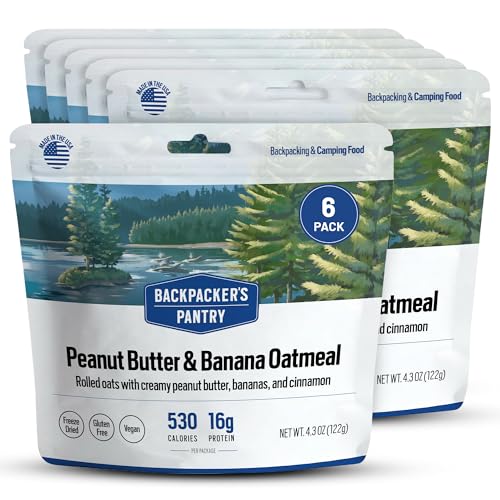
For backpacking, focus on lightweight, calorie-dense foods. Good options include gluten free instant oatmeal, nut butters, trail mix with dried fruit and dairy free chocolate, gluten free jerky, tuna or salmon pouches, and dehydrated vegetable mixes. If you are new to backpacking, our guide to lightweight camping gear for hiking can help you pack efficiently.
Can I use regular soy sauce if I am gluten free?
No. Regular soy sauce is made from wheat and contains gluten. Always use gluten free soy sauce (tamari) or coconut aminos as a substitute. This is one of the most common sources of accidental gluten exposure in camping cooking.
How do I keep dairy free milk cold while camping?
Dairy free milk (almond, soy, coconut, oat) should be kept in a well-insulated cooler with plenty of ice. Alternatively, bring shelf-stable dairy free milk in Tetra Pak cartons. Once opened, transfer to a sealed container and keep it in the cooler. For shorter trips, single-serve shelf-stable cartons are convenient and eliminate waste.
Are there any gluten free and dairy free camping meal delivery services?
Some meal delivery services offer gluten free and dairy free options, but availability varies by region. For camping specifically, the most reliable approach is to prepare your own meals at home. This gives you complete control over ingredients and eliminates the risk of cross-contamination during manufacturing. If you are looking for inspiration, our collection of quick and easy camping dinner ideas can be adapted for gluten and dairy free diets.
Final Thoughts: Enjoy the Outdoors Without Compromise
Gluten and dairy free camping is not about deprivation—it is about preparation. With the right gear, a solid meal plan, and a little advance work at home, you can enjoy delicious, satisfying meals in the great outdoors without worrying about allergens.
Start with simple recipes and build your repertoire over time. Invest in dedicated cookware and storage containers. Communicate with your camping companions about your needs. And always pack a backup meal just in case.
The strategies and recipes in this guide are designed to be flexible. Adapt them to your taste preferences, your group size, and your camping style. Whether you are car camping with a full cooler or backpacking with a minimalist setup, there is a gluten and dairy free meal plan that works for you. For more meal planning inspiration, explore our broader collection of camping food ideas for large groups and food to take camping without a fridge.
Now get out there and enjoy your adventure—one delicious, safe meal at a time.