Emergency Lanterns for Power Outage: Stay Prepared & Illuminated
When the grid goes down, reliable light keeps your family safe and calm. Discover the best battery, solar, and rechargeable lanterns for blackouts, storms, and off-grid emergencies.
See Recommended Emergency LanternsWhy an Emergency Lantern Is Non-Negotiable: Power outages can last minutes or weeks. Flashlights roll away, phone batteries die, and candles create fire hazards. A dedicated emergency lantern provides hands-free, long-lasting, and safe illumination for your entire household. Whether you face hurricane season, winter storms, or unexpected grid failures, the right lantern transforms a dark, stressful situation into a manageable one.
Types of Emergency Lanterns: Which One Fits Your Needs?
Not all lanterns are built for the same purpose. Understanding the core categories helps you match a lantern to your specific outage risks—whether you need a week of light for a family of five or a lightweight backup for your camping kit.
Battery-Operated Lanterns
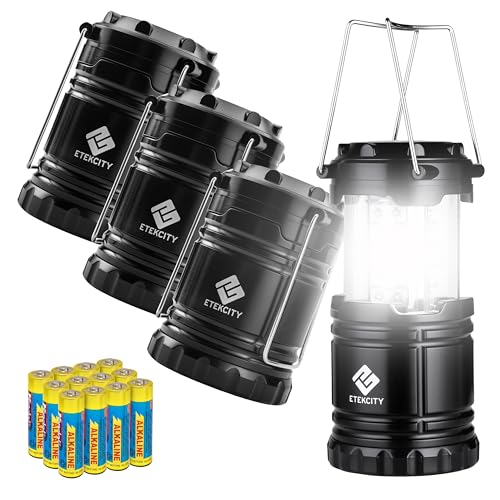
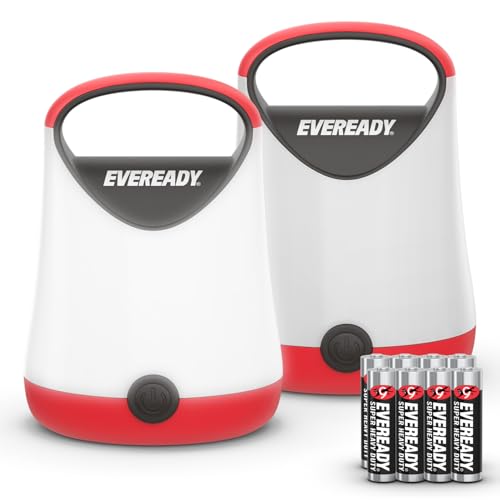
The traditional workhorse. These run on disposable D, C, or AA batteries. Best for: long-term storage, emergency kits, and situations where charging isn't possible. Look for models with multiple brightness modes and a runtime of 100+ hours on low. Keep a fresh pack of batteries stored separately.
Tier guidance: Entry-level models offer basic on/off; mid-range adds dimming and strobe; premium includes battery indicators and rugged water resistance.
Rechargeable & USB Lanterns
Built-in lithium or NiMH batteries that recharge via USB, hand crank, or solar. Best for: frequent campers and households that want to avoid disposable batteries. Many double as power banks to charge phones. Runtime varies from 5 to 50 hours depending on brightness.
Tier guidance: Budget-friendly versions charge slowly; mid-tier adds fast charging and power-out; high-end offers large capacity and solar input.
Solar Lanterns & Inflatable Models
Equipped with small solar panels for off-grid recharging. Best for: extended outages, remote cabins, and eco-conscious users. Inflatable collapsible designs save space and diffuse light softly. They require direct sunlight but provide free energy indefinitely.
Tier guidance: Affordable collapsible solar lanterns are great for ambient light; premium solar models offer higher lumens, rugged casing, and faster charging.
Key Features That Matter During a Blackout
Beyond brightness, a few critical specs determine whether a lantern is a reliable emergency tool or a frustrating toy. Use this checklist to evaluate any model before you buy.
- Runtime & Brightness Modes: Look for a low mode that stretches runtime beyond 100 hours. High mode (300–1000 lumens) illuminates a room; low mode (30–100 lumens) preserves night vision and battery.
- Power Source Flexibility: The best emergency lanterns accept multiple inputs—USB-C, solar, hand crank, or disposable batteries. Redundancy keeps you lit even when one method fails.
- Build & Water Resistance: IPX4 or higher protects against rain and splashes. Rubberized edges survive drops on concrete. If you'll use it outdoors, prioritize weatherproofing.
- Hands-Free Operation: Collapsible hooks, magnets, or foldable handles let you hang the lantern from a ceiling, tent loop, or branch—keeping light overhead and hands free.
- Safety Certifications: For indoor use, ensure the lantern is LED-based (cool to the touch) and has no open flame. Look for CE, RoHS, or UL markings for peace of mind.
When preparing for a blackout, combine your lantern strategy with a broader emergency preparedness plan that covers communication, first aid, and water. A lantern alone isn't enough—but it's the foundation of a safe, functional home during an outage.
How to Choose the Right Lantern for Your Household
Consider these practical scenarios to guide your decision:
Urban Apartment / Small Family
A single bright rechargeable lantern with a built-in power bank covers a living room and keeps phones charged. Prioritize a model with a warm light mode for evening calm. Pair it with a small camping power bank for extra phone charges.
Suburban Home / Extended Outages
Multiple battery-operated lanterns—one per room—plus a high-capacity rechargeable model for the kitchen. Store lithium batteries separately. A solar inflatable lantern provides backup for day 3 and beyond.
RV / Van Life / Off-Grid Cabin
Choose a 12V-compatible rechargeable lantern that can draw from your vehicle's system. Collapsible solar lanterns are ideal for ambient light without draining your main battery. Also consider 12V LED strip lights for permanent low-draw lighting.
Camping & Backpacking Backup
A lightweight collapsible lantern that weighs under 6 ounces and charges via USB is perfect for both emergency kits and trail use. Look for a model with a red night-light mode to preserve night vision. This doubles as a lightweight camping gear essential.
Maintaining Your Emergency Lanterns for Instant Readiness
A lantern buried in a closet with dead batteries is useless. Follow these simple habits to ensure your emergency lighting works the moment you need it:
- Check quarterly: Turn on every lantern, verify brightness modes, and test charging ports. Replace disposable batteries annually.
- Store with batteries separate: For battery-operated models, keep batteries in original packaging next to the lantern—not inside—to prevent corrosion.
- Charge rechargeable models: Top off lithium batteries every 3–6 months to maintain health. Store at 50–70% charge if unused for long periods.
- Clean solar panels: Wipe solar lantern panels with a damp cloth to maximize charging efficiency.
- Keep a headlamp too: Lanterns illuminate spaces; a headlamp frees hands for tasks. Together they form a complete outage kit.
For a comprehensive approach to blackout readiness, review our emergency communication guide and winter emergency kit recommendations. Light is just one pillar of preparedness—but it's the one that keeps everyone calm and oriented.
Safety First: Using Lanterns Indoors During a Blackout
Unlike candles and kerosene lamps, modern LED lanterns are safe for indoor use—but a few precautions maximize safety:
- Never use outdoor-only propane or fuel-burning lanterns inside; they produce carbon monoxide.
- Place lanterns on stable surfaces away from edges, or hang them securely from ceiling hooks.
- Use the lowest brightness needed to avoid eye strain and preserve battery for later.
- Keep a flashlight near your bed and a lantern in central living areas for safe navigation at night.
- If you have pets or small children, choose a lantern with a cool-touch exterior and no small removable parts.
For broader safety guidance during extended outages, see our common camping injuries and first aid for camping resources—many principles apply directly to home emergencies.
Emergency Lantern Comparison: Quick Reference
| Lantern Type | Best Use Case | Runtime (Low Mode) | Power Source | Tier Consideration |
|---|---|---|---|---|
| Battery-Operated LED | Long-term storage, emergency kits | 100–400 hours | D/C/AA batteries | Entry to premium; premium adds water resistance |
| USB Rechargeable | Frequent outages, phone charging | 10–50 hours | USB / power bank | Mid-range sweet spot; high-end adds solar |
| Solar Inflatable | Extended outages, off-grid | 8–20 hours per charge | Solar + USB | Affordable to premium; premium charges faster |
| Hand Crank | Ultimate backup, no power source | 1–2 hours per 1 min crank | Manual crank + battery | Budget-friendly; best as secondary |
Runtime varies by brightness setting and battery quality. Always test your specific model before an emergency.
Why Campers Already Have the Best Emergency Lighting
If you're a camper, you likely already own lanterns that excel in power outages. Camping lanterns are designed for rugged, off-grid conditions—exactly what a blackout demands. The same camping lantern that lights your tent also illuminates your kitchen during a storm. This dual-purpose nature makes camping gear a smart investment in home preparedness.
Similarly, camp stoves, power banks, and two-way radios serve double duty during emergencies. If you're building an emergency kit from scratch, consider browsing our camping gear for first-time campers guide—it overlaps heavily with home emergency essentials.
Final Recommendations: Building Your Blackout Lighting Kit
A robust emergency lighting strategy includes three layers:
- Primary Lantern: A bright, rechargeable LED lantern for main living areas. Choose one with a power bank feature and at least 20 hours on medium.
- Secondary Lanterns: Two or more battery-operated or solar lanterns for bedrooms, hallways, and bathrooms. Keep batteries fresh.
- Personal Lights: A headlamp and a compact flashlight for each family member. These allow hands-free navigation and task lighting.
When you're ready to compare specific models, the product section below features a curated selection of emergency lanterns suited for power outages. Each is evaluated for runtime, build quality, and ease of use—helping you make a confident, informed decision.
Pro Tip: Test your emergency lanterns during a planned "blackout drill" with your family. Turn off the main breaker for one hour, use only your emergency lights, and identify any gaps in coverage. This simple exercise reveals weak spots before a real outage occurs.