Dusk to Dawn Sensor: The Complete Guide for Camping Security Lights
Discover how automatic dusk to dawn sensors work, why they are essential for camping security, and how to choose the right one for your outdoor adventures. Learn everything you need to know before making a purchase.
Imagine arriving at your campsite after a long day of hiking. The sun is setting, and you need to set up camp in fading light. A dusk to dawn sensor automatically turns on your security lights as darkness falls, providing illumination exactly when you need it. This technology is not just a convenience—it is a critical safety feature for any outdoor enthusiast.
Whether you are a weekend camper or a seasoned backcountry explorer, understanding how these sensors work will help you make an informed decision. This guide covers everything from basic principles to advanced features, helping you choose the best option for your specific needs.
What Is a Dusk to Dawn Sensor?
A dusk to dawn sensor, also known as a photoelectric sensor or photocell, is a device that detects changes in ambient light levels. When the sensor detects that natural light has dropped below a certain threshold—typically at dusk—it automatically activates connected lighting. Similarly, when morning light returns, the sensor turns the lights off.
For campers, this technology is invaluable. It eliminates the need to manually switch lights on and off, preserves battery life, and ensures your campsite remains illuminated throughout the night. Many modern camping security lights come with built-in dusk to dawn sensors, making them a plug-and-play solution for outdoor safety.
How Do Dusk to Dawn Sensors Work?
The core component of a dusk to dawn sensor is a photoresistor or photodiode—a light-sensitive element whose electrical resistance changes based on the amount of light it receives. When light levels are high (during the day), resistance is low, and the circuit remains open. As darkness falls, resistance increases, triggering the circuit to close and power the light.
Most sensors include a time delay to prevent accidental activation from temporary light sources, such as car headlights or lightning flashes. This ensures the light does not flicker on and off unnecessarily. For campers, this means reliable, uninterrupted illumination from sunset to sunrise.
Some advanced sensors also feature adjustable sensitivity, allowing you to set the exact light level at which the sensor activates. This is particularly useful in locations with varying twilight conditions or when camping near artificial light sources.
Key Benefits of Dusk to Dawn Sensors for Camping
Investing in a dusk to dawn sensor for your camping setup offers several advantages:
- Energy Efficiency: Lights only operate when needed, preserving battery power for other essential devices like camping power banks or solar chargers.
- Enhanced Security: Continuous nighttime illumination deters wildlife and unwanted visitors, giving you peace of mind while you sleep.
- Convenience: No need to remember to turn lights on or off—the sensor handles everything automatically.
- Extended Light Lifespan: Reduced operating hours mean your bulbs or LEDs last longer, saving you replacement costs over time.
- Hands-Free Operation: Ideal for situations where your hands are full, such as setting up a tent or preparing a late-night meal.
For campers who prioritize safety and efficiency, a dusk to dawn sensor is a smart addition to any camping shelter setup.
Types of Dusk to Dawn Sensors
Not all sensors are created equal. Understanding the different types will help you choose the right one for your camping needs:
1. Built-In Sensors
Many camping lights come with integrated dusk to dawn sensors. These are convenient and require no additional wiring or installation. They are ideal for campers who want a simple, all-in-one solution. Look for models with adjustable sensitivity and weather-resistant housing for outdoor use.
2. Plug-In Sensors
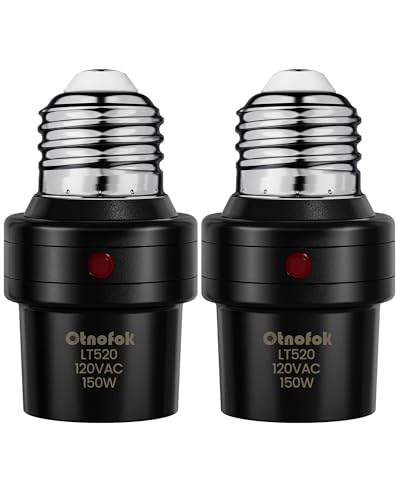
These sensors plug into an existing light fixture or power source. They are versatile and can be used with a variety of lights. However, they require a power outlet, making them more suitable for RV camping or campsites with electrical hookups.
3. Hardwired Sensors
For permanent installations, hardwired sensors offer the most reliable performance. They are typically used in cabins or fixed camping structures. Installation requires basic electrical knowledge, so consult a professional if you are unsure.
4. Battery-Operated Sensors
These are perfect for primitive camping or backpacking trips where power is unavailable. They run on batteries and can be attached to tents, trees, or other surfaces. Look for models with long battery life and low power consumption.
How to Choose the Best Dusk to Dawn Sensor for Camping
When selecting a dusk to dawn sensor, consider the following factors:
Power Source
Determine how you will power your light. If you have access to electricity, plug-in or hardwired sensors are viable options. For remote camping, battery-operated or solar-powered sensors are more practical. Pairing a sensor with battery and solar panel kits can create a self-sustaining lighting system.
Weather Resistance
Your sensor will be exposed to the elements. Look for models with an IP rating (Ingress Protection) of at least IP65, which indicates resistance to dust and water. This is especially important if you camp in rainy or humid environments.
Sensitivity and Adjustability
Some sensors allow you to adjust the light threshold at which they activate. This is useful if you want your lights to turn on earlier or later in the evening. Adjustable models offer greater flexibility for different camping scenarios.
Compatibility
Ensure the sensor is compatible with your existing lighting setup. Check voltage requirements and connector types. If you are buying a new light, consider a model with a built-in sensor to simplify your setup.
Durability
Camping gear takes a beating. Choose a sensor with a durable housing that can withstand bumps, drops, and rough handling. Products from reputable brands in the mid-range to premium tier often offer better build quality and longer warranties.
Installation Tips for Camping Dusk to Dawn Sensors
Proper installation ensures your sensor works reliably. Here are some tips:
- Position for Maximum Exposure: Mount the sensor where it will receive unobstructed natural light. Avoid placing it under trees, awnings, or other structures that could cast shadows.
- Avoid Artificial Light Sources: Keep the sensor away from campfires, lanterns, or other lights that could trick it into thinking it is daytime.
- Secure Connections: If using a plug-in or hardwired sensor, ensure all connections are tight and protected from moisture. Use waterproof connectors or electrical tape.
- Test Before Your Trip: Set up your sensor at home and test it over a full day-night cycle. This allows you to fine-tune sensitivity and confirm it works as expected.
- Consider a Backup: Always carry a manual light source, such as a camping lantern, in case your sensor malfunctions or batteries run out.
Maintenance and Troubleshooting
To keep your dusk to dawn sensor working correctly, perform regular maintenance:
- Clean the Sensor: Dust, dirt, and cobwebs can block the sensor lens. Wipe it clean with a soft cloth periodically.
- Check Batteries: For battery-operated models, replace batteries before they are fully depleted. Consider carrying spares, especially on extended trips.
- Inspect Wiring: Look for frayed wires or loose connections, especially after rough weather.
- Adjust Sensitivity: If your light turns on too early or too late, adjust the sensitivity settings accordingly.
Common issues include the light not turning on (check power source and sensor placement) or turning on during the day (reduce sensitivity or reposition the sensor away from artificial light).
Safety Considerations for Camping with Dusk to Dawn Lights
While dusk to dawn sensors enhance safety, they should be part of a comprehensive safety strategy. Always follow campfire safety rules and be aware of local campfire regulations. Additionally, ensure your campsite is secure and follow food storage rules to avoid attracting wildlife.
For emergency situations, carry a camping first aid kit and know how to use emergency SOS signals. A reliable lighting system is just one part of being prepared for the outdoors.
Frequently Asked Questions
Can I use a dusk to dawn sensor with any light?
Most sensors are compatible with LED, incandescent, and fluorescent lights, but check the sensor's specifications to ensure compatibility. Some sensors are designed for specific wattages or voltage ranges.
How do I prevent my sensor from turning on during the day?
Adjust the sensitivity settings to a lower level, or reposition the sensor so it is not exposed to artificial light sources. Ensure it is mounted in a location that receives consistent natural light.
Are dusk to dawn sensors waterproof?
Many outdoor models are weather-resistant, but not all are fully waterproof. Look for an IP65 or higher rating if you plan to use the sensor in wet conditions.
How long do dusk to dawn sensors last?
With proper care, a quality sensor can last several years. Battery-operated models may require more frequent maintenance, while hardwired sensors often have longer lifespans.
Can I use a dusk to dawn sensor for indoor camping?
Yes, but it may not be necessary. Indoor environments typically have controlled lighting. However, if you are camping in a cabin or tent with windows, a sensor can still be useful.
Conclusion
A dusk to dawn sensor is a small but powerful addition to your camping gear. It automates your lighting, saves energy, and enhances safety—allowing you to focus on enjoying the outdoors. When choosing a sensor, consider your power source, weather conditions, and specific camping needs.
Whether you are setting up a basecamp for a week or embarking on a solo backpacking trip, the right sensor will keep your campsite illuminated and secure. Explore our recommended products below to find the best option for your next adventure.